Big comeback for tiny creatures: critically endangered snails returned to the wild on Norfolk Island
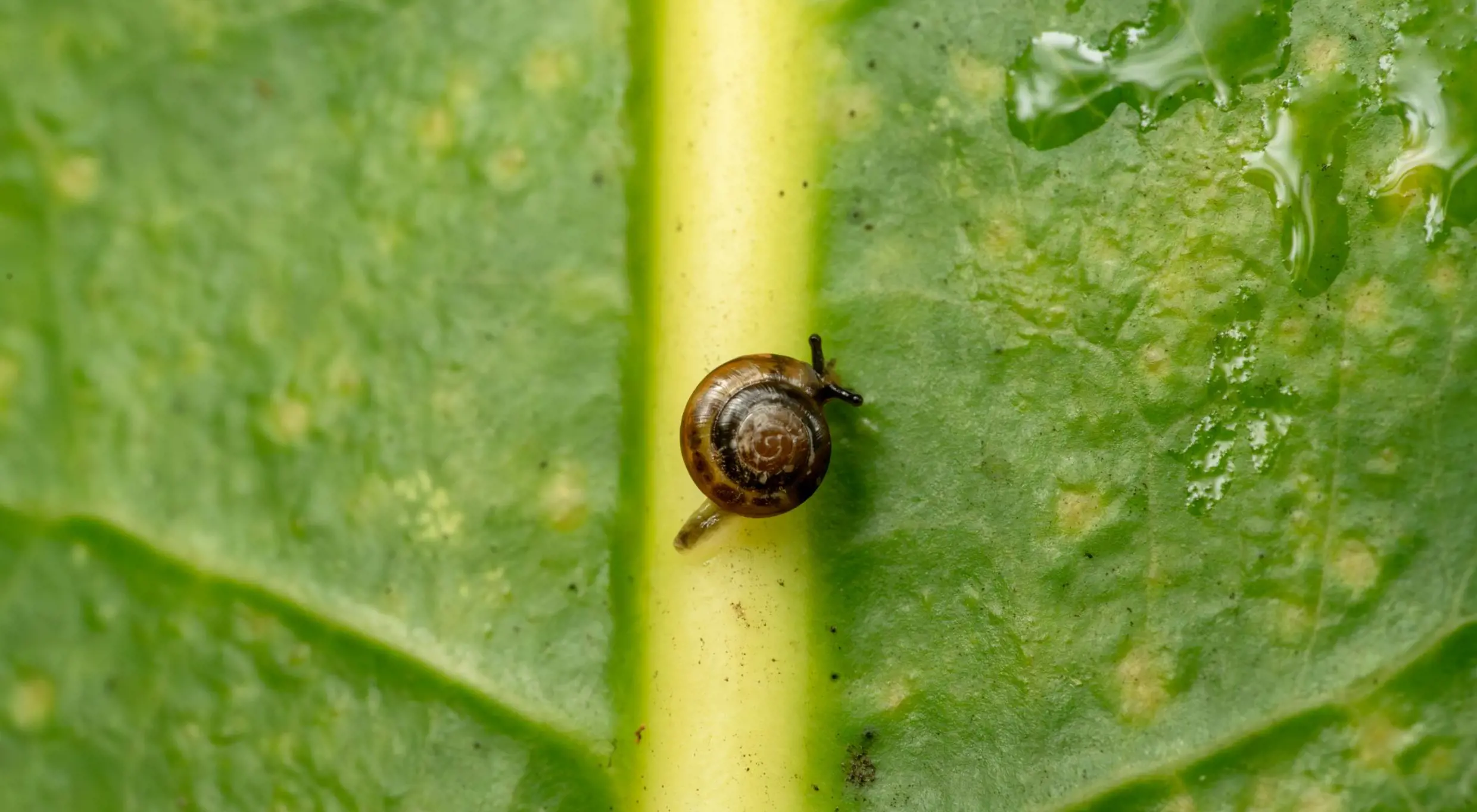
A species once thought extinct has begun its slow crawl back into the wild. Last month, more than 300 Campbell’s Keeled Glass-Snails (Advena campbellii) were released into Norfolk Island National Park — marking the first large-scale snail translocation and reintroduction ever attempted in Australia and its surrounding islands.
Posted on 14 Apr 2026 by Media Release
This milestone is the result of a five-year collaborative effort between Taronga Conservation Society Australia, the Australian Museum, Parks Australia, Western Sydney University, and the Norfolk Island Regional Council. The project aims to restore a species once thought lost and strengthen the ecological integrity of Norfolk Island’s unique environment.
Starting with just 46 snails, Taronga Zoo Sydney established Australia’s first snail breeding program in 2020. Despite early challenges, the program flourished, growing the population to over 800 snails. In early June, more than 600 snails were flown to Norfolk Island under the watchful care of a Taronga Keeper. Thanks to a newly developed transport method and expert care, the snails settled quickly into their acclimatisation tanks and resumed breeding an indicator that the move was a stress-free experience.
Since arriving, the snails have been gradually introduced to their native diet and tagged for monitoring, with each snail tagged with a tiny ID label just 1.2 mm by 2.7 mm long. In late July 340 snails were released into a carefully prepared catchment within the national park. National Park staff have enhanced the site with irrigation and intensified predator control to give the snails the best chance of survival.


During recent monitoring, the team conducting surveys observed several newly born neonate snails at the release site. This discovery is a strong indication that the snails are not only surviving but also reproducing in the wild, with hope these neonates will continue to develop into adults over the coming months, helping to establish a self-sustaining, wild-born population at the site.
“This is a huge milestone for conservation in Australia,” said Monique Van Sluys, Manager of Conservation and Recovery Programs at Taronga. “Transporting and reintroducing these sensitive snails is no small feat, but thanks to the dedication of our partners and keepers, we’ve given this species a real chance at recovery.”
“The National Park protects the last known patches of this precious species habitat, and the team is proud to extend their knowledge and skills to supporting its recovery in the wild” said Mel Wilson, Natural Resources Program Manager at Norfolk Island National Park.


The snails will be closely monitored by National Park staff and PhD candidate Junn Kitt Foon from Western Sydney University, with results analysed by all members of the project team. Their progress will inform future conservation strategies and help protect other threatened invertebrates across Australia.
“This project is a testament to the power of collaboration,” said Dr Isabel Hyman, Research Scientist at the Australian Museum. “We’re proud to be part of a team working to restore a species once thought lost forever.”
Norfolk Island, located approximately 1,700 km northeast of Sydney, is recognised as one of Australia’s hotspots for land snail diversity, with 70 endemic species recorded. The Campbell’s Keeled Glass-Snail, known for its delicate, keeled shell, plays a vital role in the island’s ecosystem — helping decompose organic matter, disperse fungal spores, and support biodiversity.
With land snails on islands disappearing faster than any other group of animals, this project is not only about saving a species from extinction — it’s about preserving the health and resilience of an entire ecosystem. While the release marks a major step forward, the journey is far from over. The translocation team will continue to monitor the snails closely and adaptively manage the process to ensure the best possible outcomes.
Media Relations
Taronga Zoo Sydney
Taronga Conservation Society Australia is a leader in the fields of conservation, research, animal welfare, wildlife rehabilitation and environmental education.
Taronga is a not-for-profit organisation with an absolute commitment to conservation and securing a shared future for wildlife and people.
Say hi