




Visit Sydney Zoo
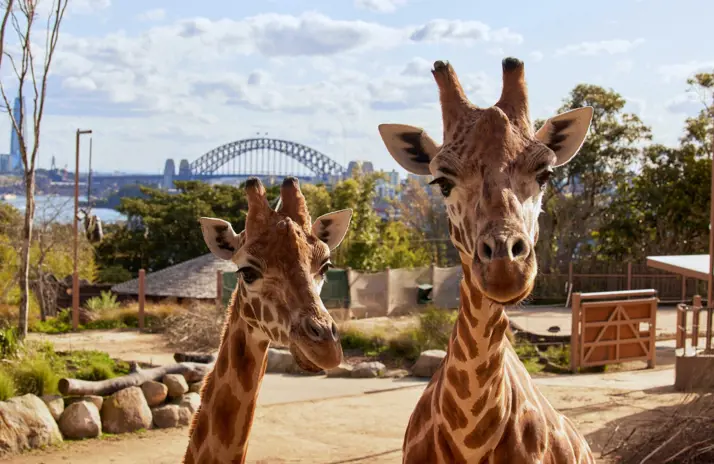
Visit the world-famous Taronga Zoo Sydney to meet native Australian wildlife and animals from around the world, set on Sydney Harbour just a short ferry ride from the CBD.
Taronga’s story over the last 100 years reflects a broader shift in how zoos operate. Taronga Zoo Sydney first opened in 1916 as a traditional zoological park focused on exhibiting animals and after a major review in 1967 the Zoo entered a “new era” prioritising scientific research, education, and conservation over entertainment. This transformation was strengthened with the creation of Taronga Western Plains Zoo in 1977, an innovative open-range zoo designed for breeding and protecting large and endangered species in more natural environments. Together, we have evolved from displaying wildlife to actively saving it, developing world-leading breeding programs, research centres, and global conservation initiatives as part of our role as a leading conservation organisation.
Taronga Zoo opens to the public, with
1,200 people in attendance.
As Trustee of the Zoo, he launched a
review into exhibit design and welfare
conditions.
It quickly becomes one of the Zoo's most
popular attractions.
Through an Act of Parliament, the Taronga Zoological Park Trust is made a Body Corporate, enabling it to function more smoothly as a commercial enterprise
Five-year-old 'King Kong' arrives from California moving into a purpose built 'Gorilla Villa'. 'King Kong' was incredibly popular and saw zoo attendance increase by 26% to 914,000 in 1959/1960.
The existing Seal Pool is modified to house Dolphins to compete with several marine parks. Sadly, the Dolphins do not fare well with the average longevity of each animal less than one year.
are built including the Platypus House (1968), Rainforest Aviary (1970), the Nocturnal House (1972) and several waterholes. These new habitats aim to to hide built form amongst the landscape using natural materials.
Two new curators are appointed. Their philosophy stipulates that each new acquisition will be based on its message to the public and its conservation significance. The zoo's first ever masterplan.
The first dedicated veterinary building is constructed at Taronga Zoo Sydney. The new facilities include animal holding post-mortem rooms, aviaries and treatment rooms.
Volunteers support teams to take care of animals, engage and educate visitors and guests and deliver conservation programs.
Five teachers offer services from primary to university level. At the same time, the Friendship Farm opens providing additional opportunities for teaching.
In line with the zoo's increasing focus on animal welfare, conservation science and education, elephant rides and the merrygo-round cease.
It is the first zoo in Australia to be designed on open-range principles and is also the first zoo to be built in Australia in 60 years.
The new, improved facilities bring with them a new approach, with seals showcasing natural behaviours instead of ‘tricks’.
Thirteen Przwalski Horses are imported to help establish a breeding program for the species which at the time is nearing extinction.
at Taronga Zoo, focusing on detecting and diagnosing endemic, emerging and exotic diseases.
A Taronga Aerial Cabin Ride - now known as the Sky Safari - opens to assist in moving visitors across the zoo's steep topography.
A new breeding program is established for the Greater Bilby with aims to release to the wild In the first six months of the program, five joeys are born.
Taronga Zoo welcomes two giant pandas thanks to China’s Bicentennial Gift to Australia - 623,390 visitors visit the pair in just three months.
Taronga becomes a founding member of the International Rhino Foundation to assist with in-situ breeding programs and anti-poaching operations.
The first such facility in any Australasian zoo spurring on collaborations with universities and research institutions.
It evolves into a successful annual performance event.
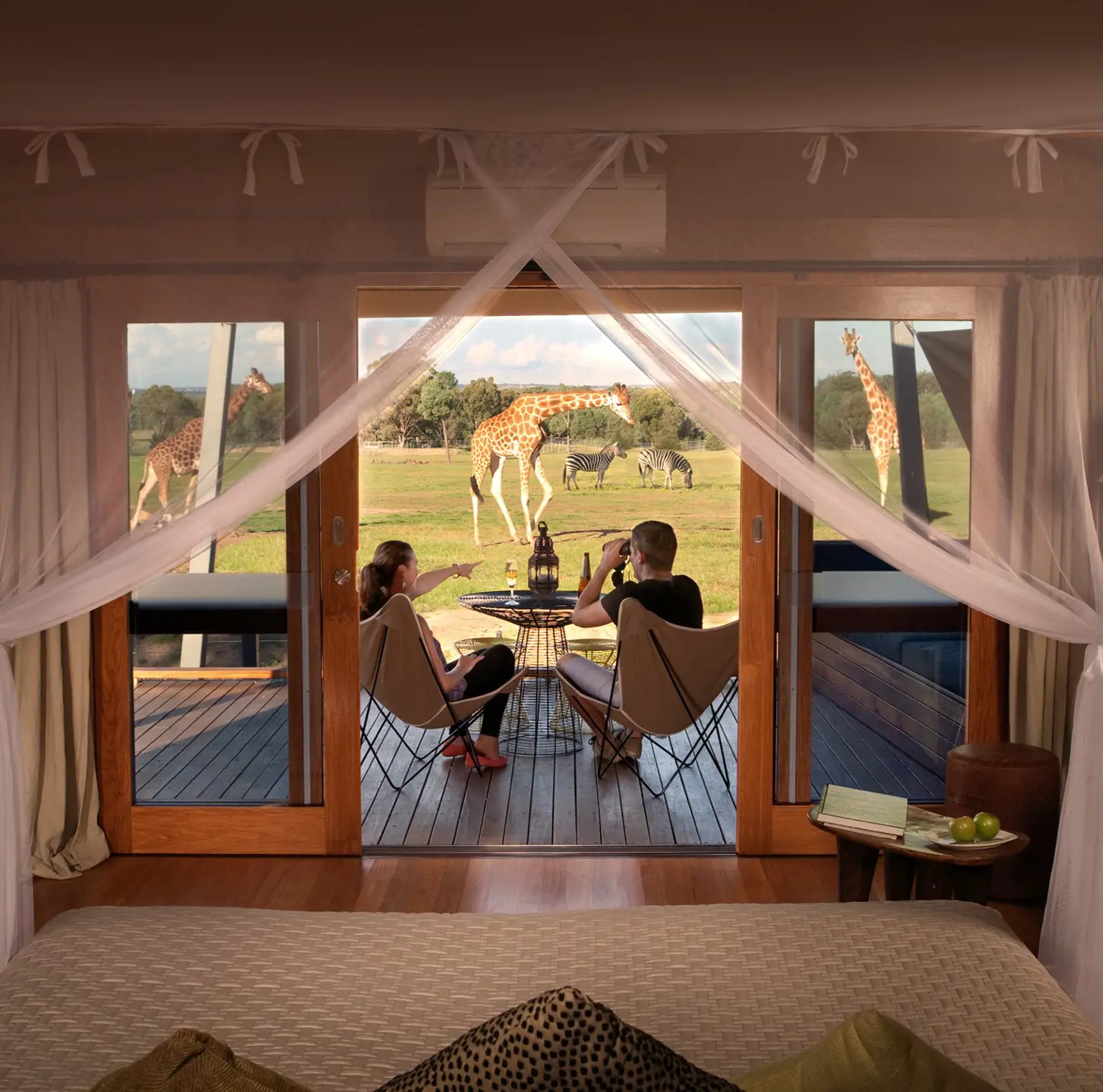
Zoofari Lodge opens at Western Plains Zoo, paving the way for future tourism development.
It has since raised more than $20m for conservation, education programs and wildlife in care.
Five White Rhinos are imported from South African to add important genetic diversity to the Taronga Western Plains Zoo's herd.
Taronga Zoo Sydney welcomes five Asian Elephants from Thailand to establish a conservation and breeding program.
Taronga Zoo Sydney and Western Plains Zoo become Taronga Conservation Society Australia. The rebrand signifies Taronga’s increasing investment in conservation and science. Western Plains Zoo also adopts the name Taronga.
The Taronga Training Institute is established to deliver accredited training and short-courses in the fields of animal management and tourism.
Taronga joins other research groups at the Australian Institute of Marine Science during the annual coral spawning to freeze
coral species of the Great Barrier Reef. Samples are stored at the Wildlife Reproductive Centre at Taronga Western Plains Zoo.
Taronga Zoo Sydney marks its 100th anniversary with a parade through the streets of Sydney CBD, the opening of the Centenary Theatre and by launching a commitment to ten legacy species.
The Taronga Institute of Science and Learning opens, providing dedicated facilities for students from pre-school through to PhD.
Unprecedented bushfires burn across much of eastern Australia. Taronga staff come together to treat injured wildlife and provide safe-haven for displaced animals.
Ten Greater Bilbies bred at Taronga Western Plains Zoo are released in Sturt National Park more than a century after they were declared extinct in NSW.
The COVID pandemic spurs on the launch of Taronga TV as both zoos close for quarantine.
A brand new Wildlife Hospital opens at Taronga Western Plains Zoo, with treatment rooms on display offering guests.
Taronga establishes a third wild site - 3000ha of cleared farm land in Northern NSW.
Visit the world-famous Taronga Zoo Sydney to meet native Australian wildlife and animals from around the world, set on Sydney Harbour just a short ferry ride from the CBD.

Visit Taronga Western Plains Zoo in Dubbo for an open-range safari adventure in the heart of New South Wales, and explore the 5km circuit by bike, cart or on foot.

Taronga Conservation Society Australia continues to improve and expand on its animal habitats, conservation and research programs, whilst delivering highly immersive, engaging and interactive experiences for all our guests.