
Asian Elephants
Scientific nameElephas maximus
Conservation status (IUCN)
Endangered
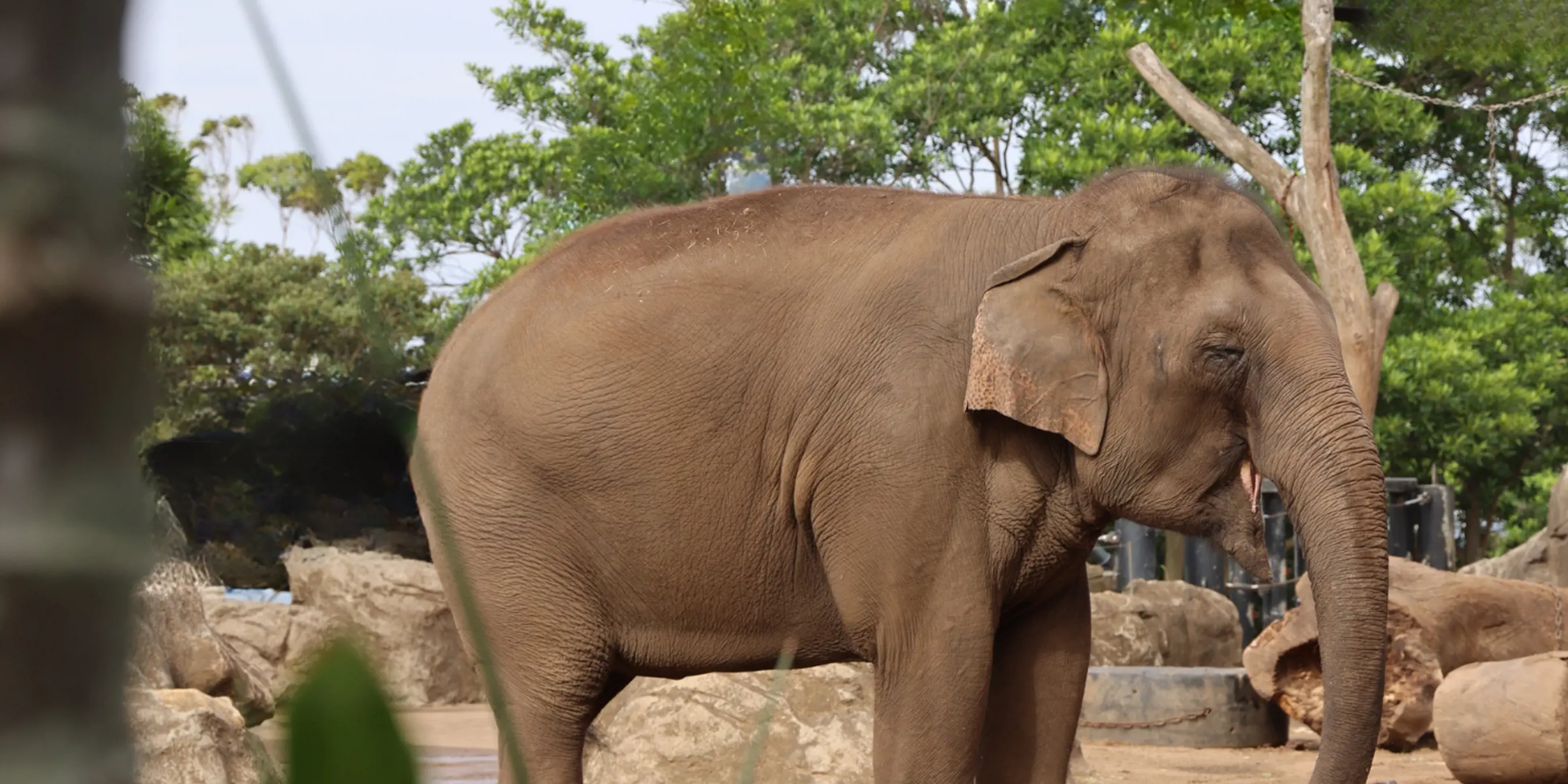
The largest living land mammal, elephants are super smart, highly social and vital to their ecosystems.
Dubbo
Visitor Tips for Dubbo
See Asian Elephants in the Wild Asia habitat.
Keeper Talk
12:00pm
Elephant Experience
12:30pm
Fun facts about Asian Elephants

70yrs
Asian Elephants can live between 60-70 yrs.
Where they live
Wet forest and grasslands.

3600kg
Asian Elephants can weigh from 2700-3600kg depending on if they're male or female.
What they eat
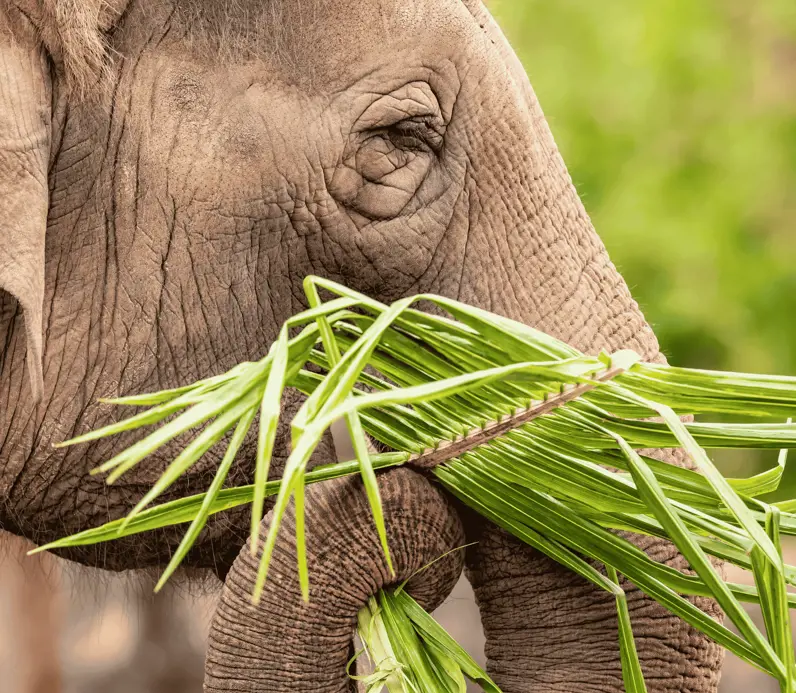
Leaves, fruits, bark, roots and grasses.

6.4m
Asian Elephants can be up to 2.7m tall at the shoulder and 6.4m long.
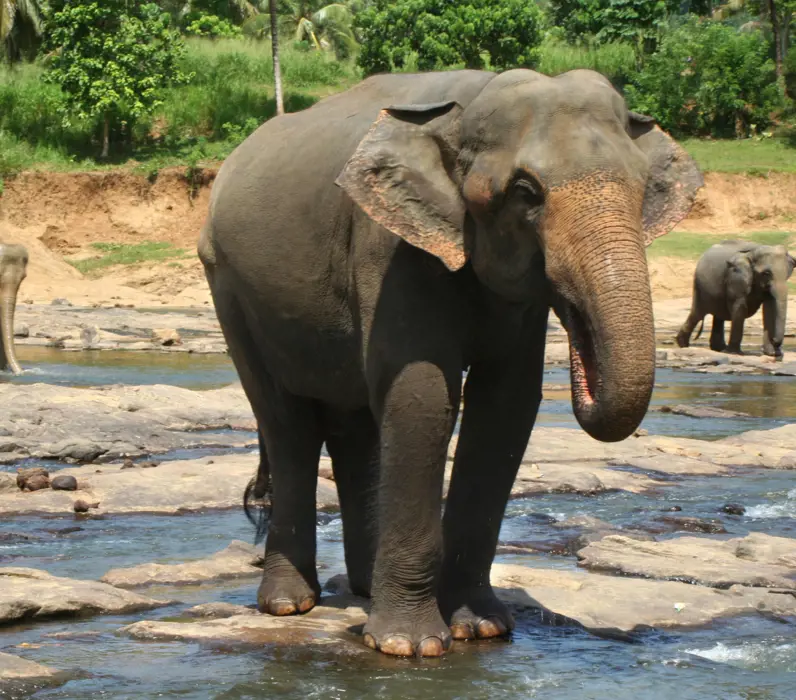
Where they're found
Widespread across South and Southeast Asia.
Mating
Males enter 'musth' (a period of reproductive behaviour) and females enter estrus to signal readiness to mate.

How they sleep
Elephants sleep standing up! They only sleep a few hours a night.
70yrs
Asian Elephants can live between 60-70 yrs.
Where they live
Wet forest and grasslands.
3600kg
Asian Elephants can weigh from 2700-3600kg depending on if they're male or female.
What they eat
Leaves, fruits, bark, roots and grasses.
6.4m
Asian Elephants can be up to 2.7m tall at the shoulder and 6.4m long.
Where they're found
Widespread across South and Southeast Asia.
Mating
Males enter 'musth' (a period of reproductive behaviour) and females enter estrus to signal readiness to mate.
How they sleep
Elephants sleep standing up! They only sleep a few hours a night.
Did you know?
We bet you didn't know these facts about these exceptional elephants.

Tap the icons
Scroll across to reveal info on Asian Elephants.
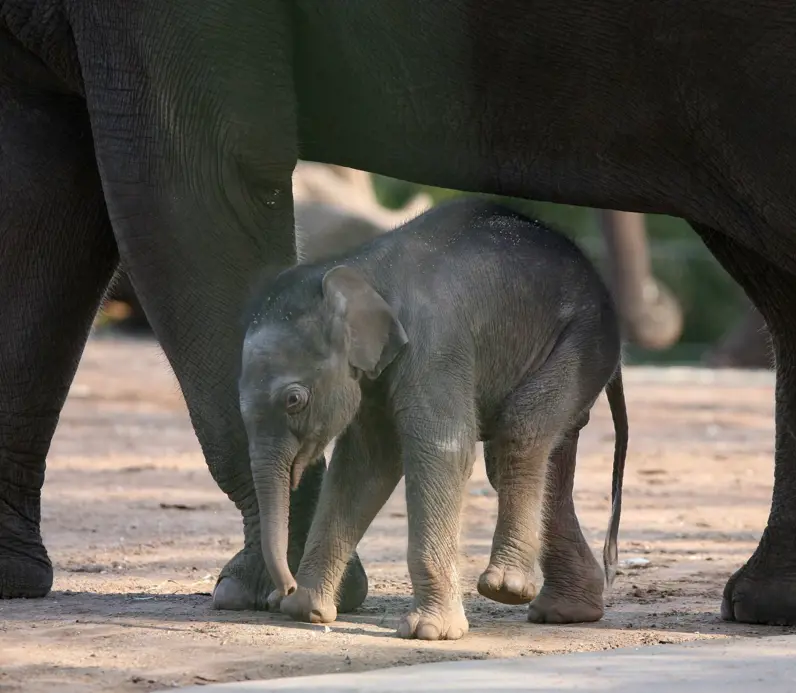
Australia's first Elephant calf
Luk Chai was born at Taronga Zoo in 2009. All grown up, he is now a father with his own at Werribee Open Range Zoo in Victoria.
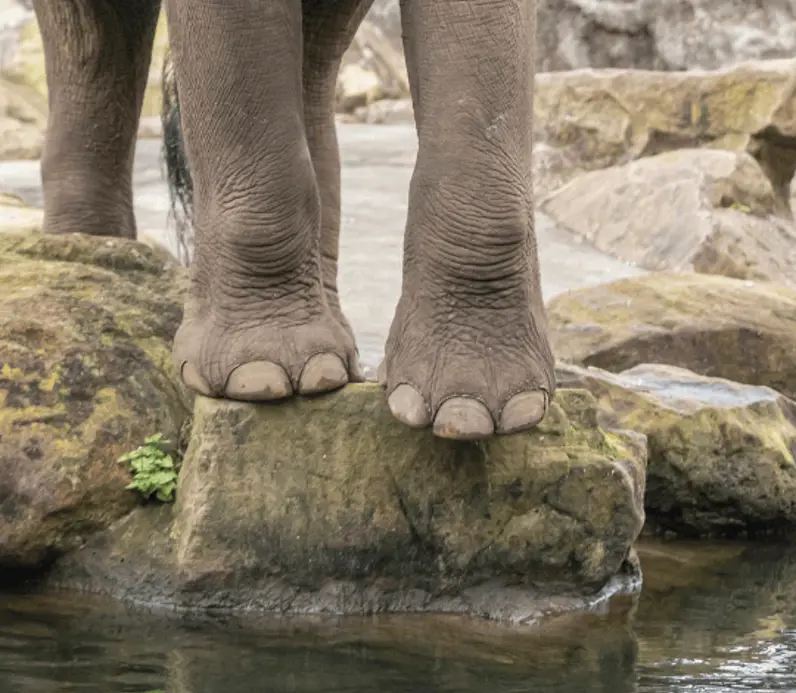
Tip-toeing giants
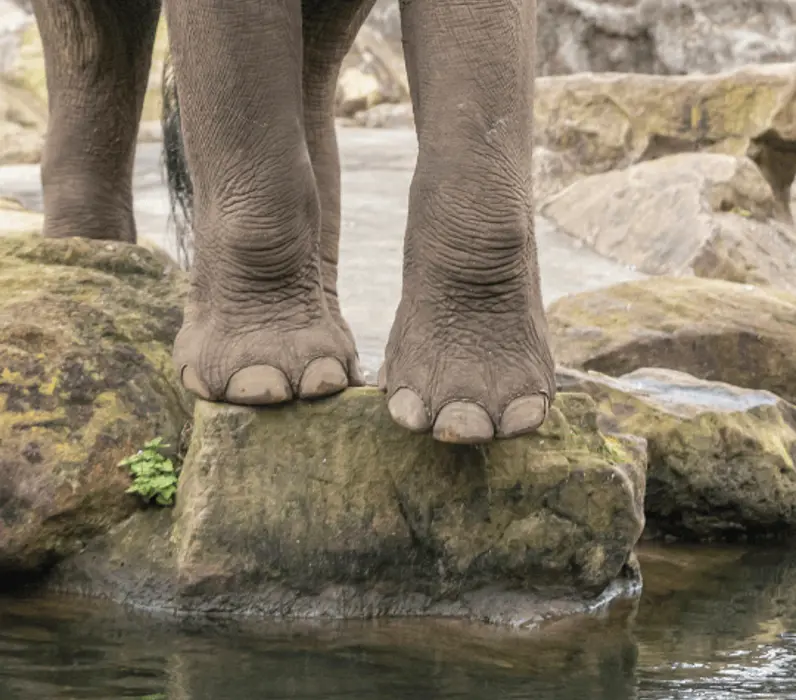
Elephants tip-toe as they walk, putting most of their weight at the front of their 40cm long feet.
Sisters for life
Female elephants live in herds their whole lives, whilst males spend much of it either solitary or in bachelor groups.
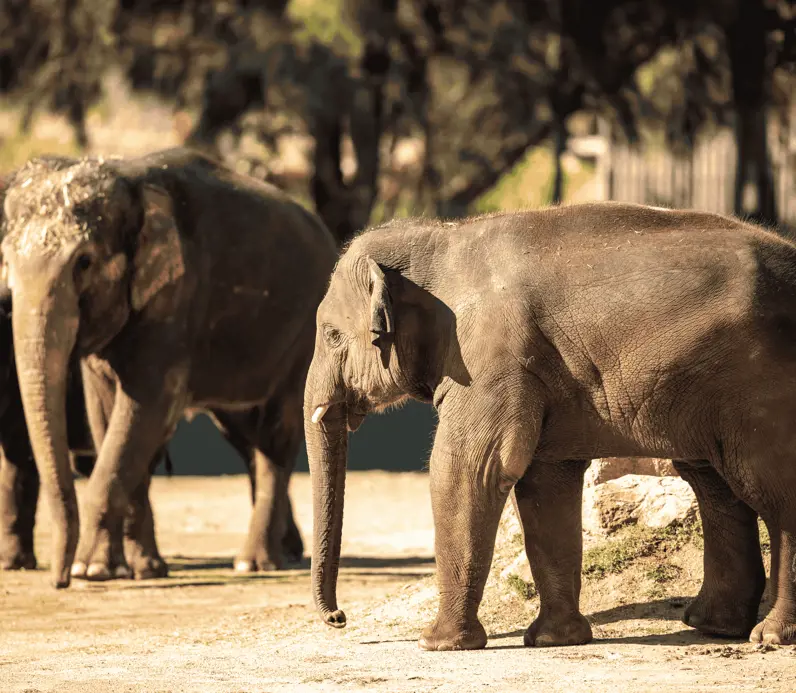
Tusks or no tusks?
Only male Asian Elephants grow tusks whilst females are tuskless, unlike African Elephants where both grow tusks.
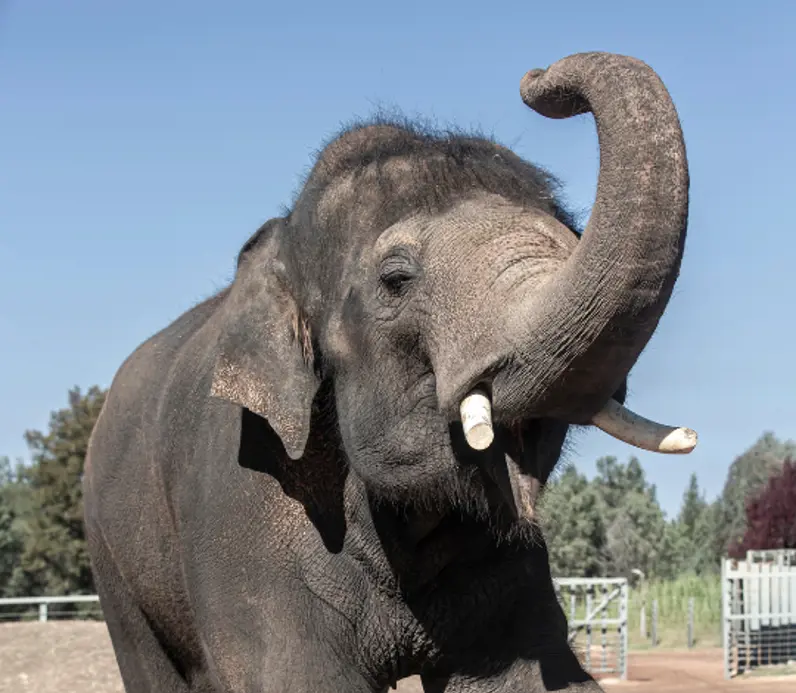
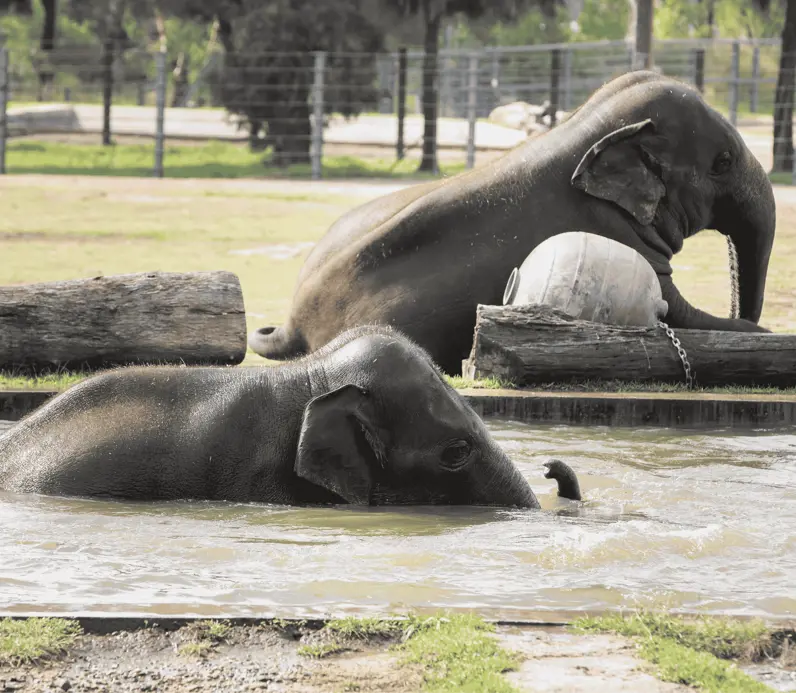
Beating the heat
Elephants lack sweat glands. They flap their ears, and bathe in water, mud and dirt to stay cool.
Elephant eats
Elephants spend most of the day feeding, eating up to 150kgs per day.
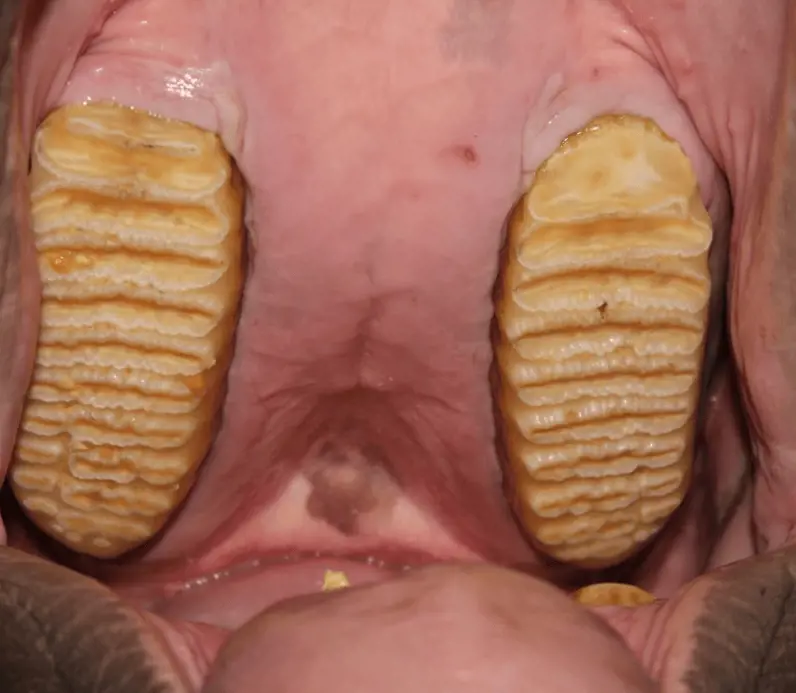
Six sets of teeth
Elephants are born with 6 sets of teeth to replace old ones as they are worn down throughout their life.
Asian Elephant deep dive
Species management programs
Taronga contributes to an Australasian Species Management Program and/or international breeding program for this species. This helps maintain healthy and resilient zoo-based animal populations by preserving genetic diversity, supporting animal husbandry knowledge, and ensuring exceptional animal welfare, safeguarding the species for the future.
Conservation status (IUCN)
Endangered
Endangered Elephants
Asian Elephants face many threats driven by human impact, particularly loss and fragmentation of habitat and human-wildlife conflict. Elephants have lost much of the rainforest habitat they once roamed to urban development and agriculture. They now increasingly venture into developed areas in search of food and water, where they can damage infrastructure, eat crops, and sometimes kill people, leading to elephants being killed in return.
Elephants are further poached for ivory, bushmeat, leather, and to use their skin as traditional medicine.
At Taronga we have made a conservation commitment to the Asian Elephant. Taronga’s successful breeding program, driven by our experts and partner zoos, is a vital part of the international effort for this endangered species. We further support elephant conservation throughout both Asia and Africa, including habitat protection and restoration, anti-poaching efforts, and community initiatives to reduce human-wildlife conflict.
Elephants are further poached for ivory, bushmeat, leather, and to use their skin as traditional medicine.
At Taronga we have made a conservation commitment to the Asian Elephant. Taronga’s successful breeding program, driven by our experts and partner zoos, is a vital part of the international effort for this endangered species. We further support elephant conservation throughout both Asia and Africa, including habitat protection and restoration, anti-poaching efforts, and community initiatives to reduce human-wildlife conflict.
Choose sustainable palm oil and save rainforest animals
Palm oil is used in 50% of household products, including spreads, biscuits, shampoos, and makeup. So, what does palm oil have to do with tigers and elephants? Find out with Raise Your Palm.