









Recovery Programs
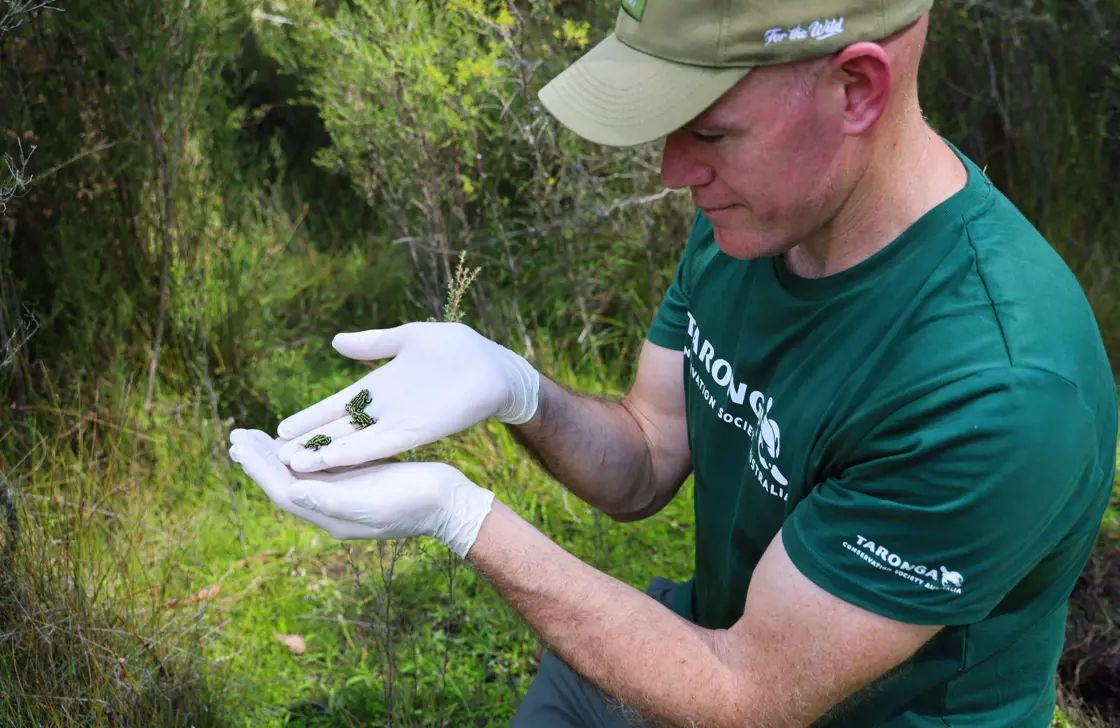
Taronga's recovery programs breed and release threatened native species back to the wild. For example, Corroboree Frogs and Regent Honeyeaters.
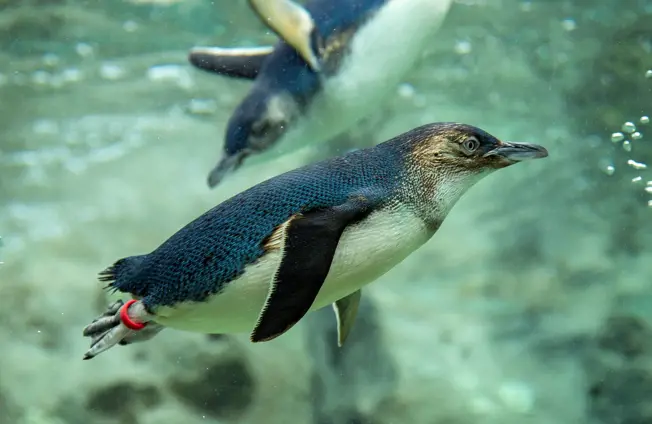
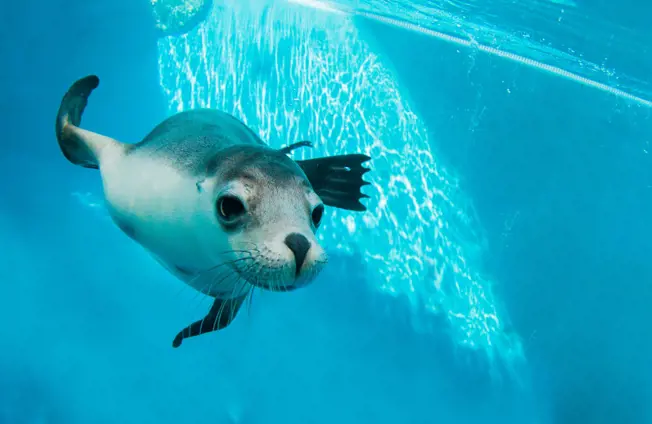
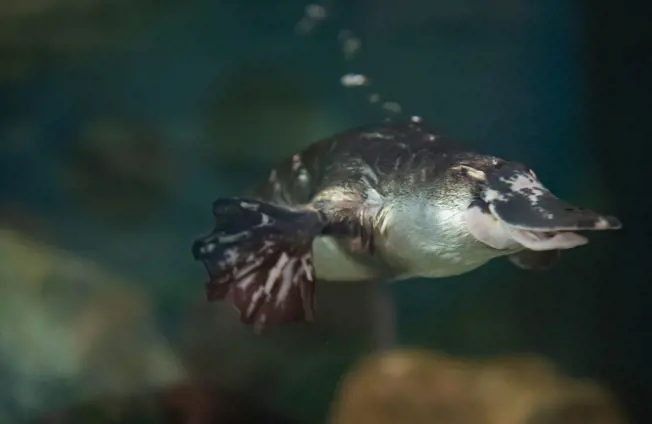
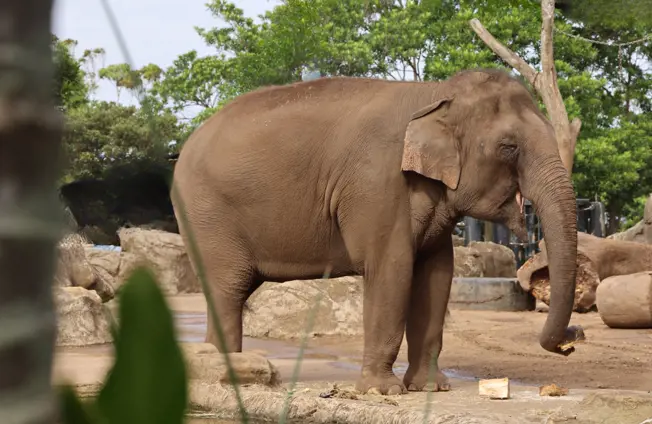
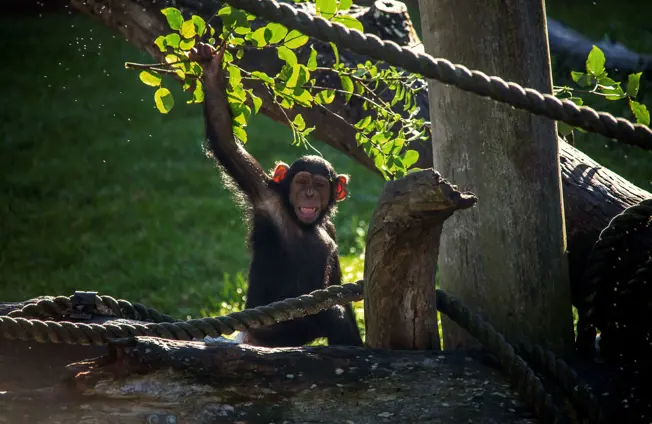
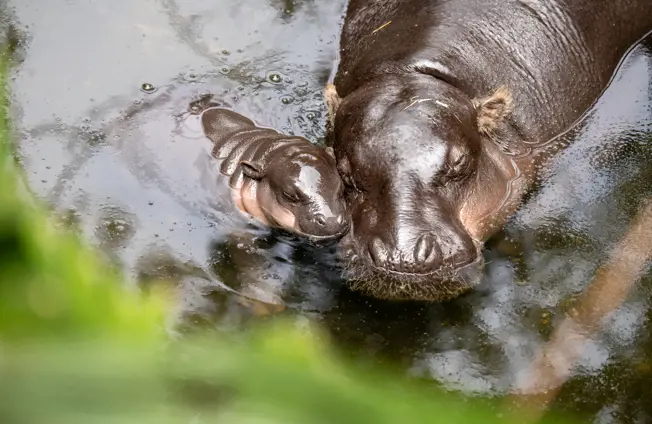
Taronga cares for over 5,000 animals from over 350 species, many of which are threatened. Find out more about some of the animals you might meet on your visit below.
An incredible spot to see Australian Animals in Taronga's care is the Nura Diya habitat, including Nguwing Nura, Taronga's Nocturnal Country. (Map Ref 5J).
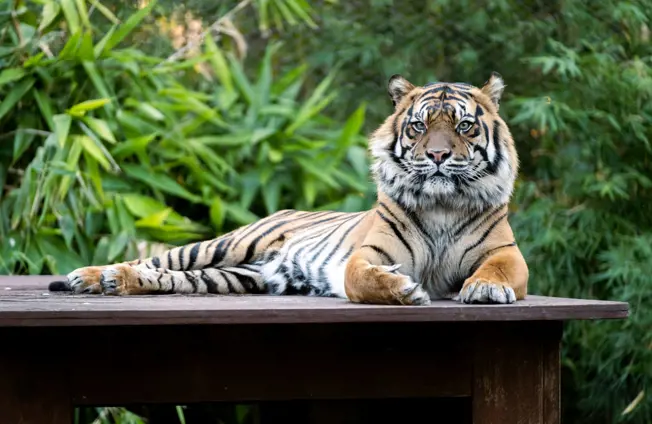
Asian Animals in Taronga's care can be seen in the Rainforest Trail, Rhino Reserve and Tiger Trek. (Map Ref 14F & 15H)
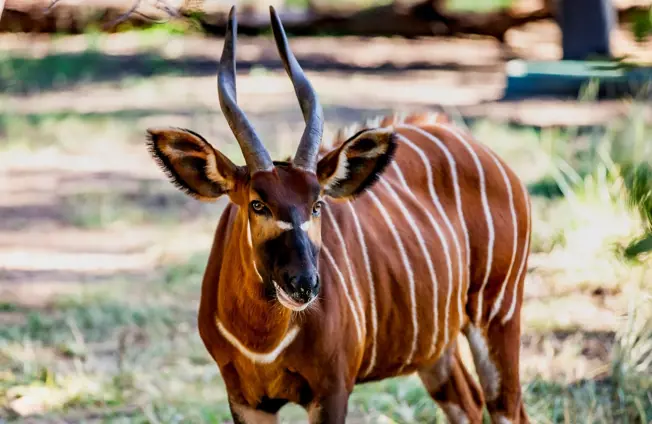
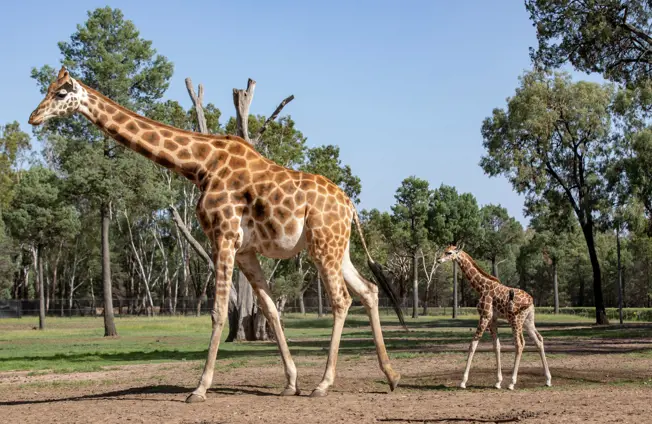
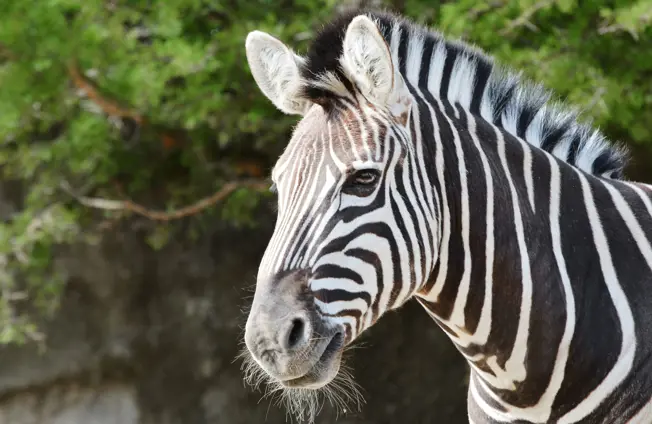
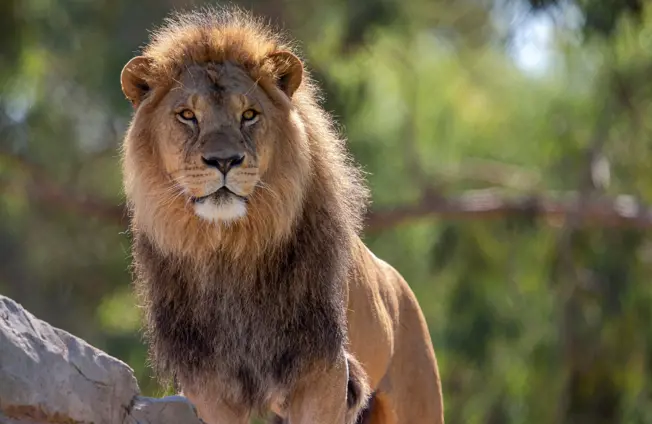
The African Animals in Taronga's care can be seen in the African Savannah Habitat. (Map Ref 13J)
Discover other species from all around the world, such as South America's Andean Condor, Aldabra Giant Tortoises from the Seychelles, and the Long-beaked Echidna found only in the forests of New Guinea.
Taronga doesn’t just care for wildlife at our two Zoos, we’re also a part of vital Recovery, Research, Breeding and Rehabilitation programs. So, what’s the difference? And what does this all mean?
Taronga's recovery programs breed and release threatened native species back to the wild. For example, Corroboree Frogs and Regent Honeyeaters.
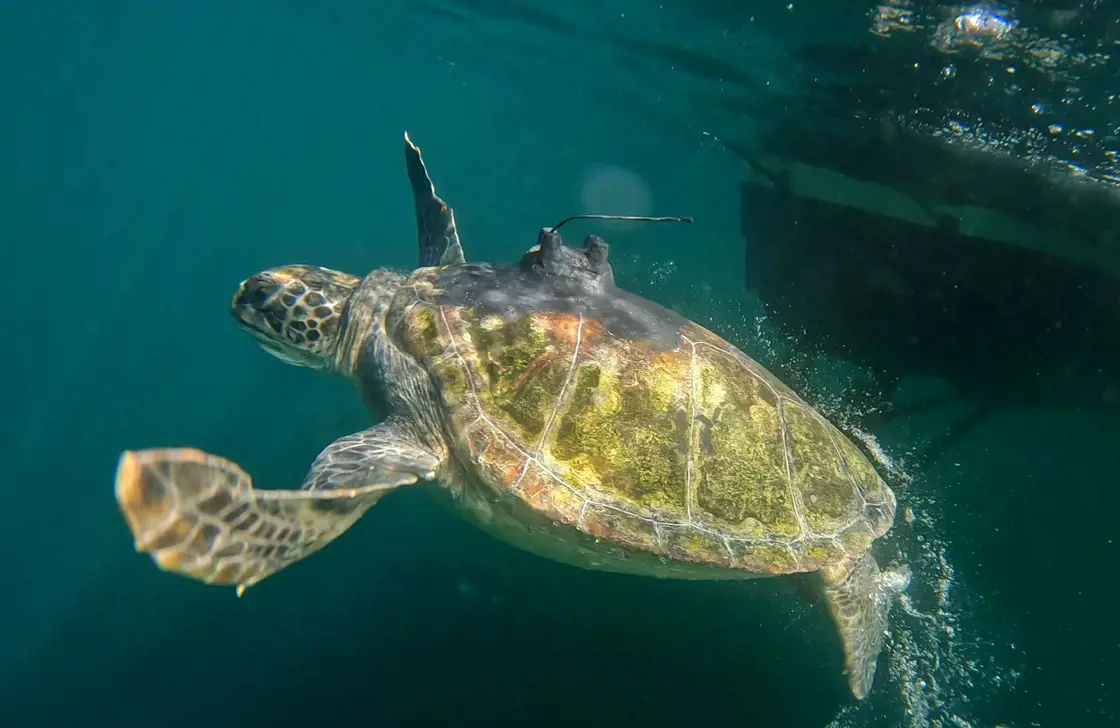
Taronga has a whole team of scientists researching projects in the areas of Ecology, Biodiversity Conservation, Wildlife Health, Behaviour, Welfare, and Nutrition. Through this research, we’re promoting species adaptability and ecosystem resilience.
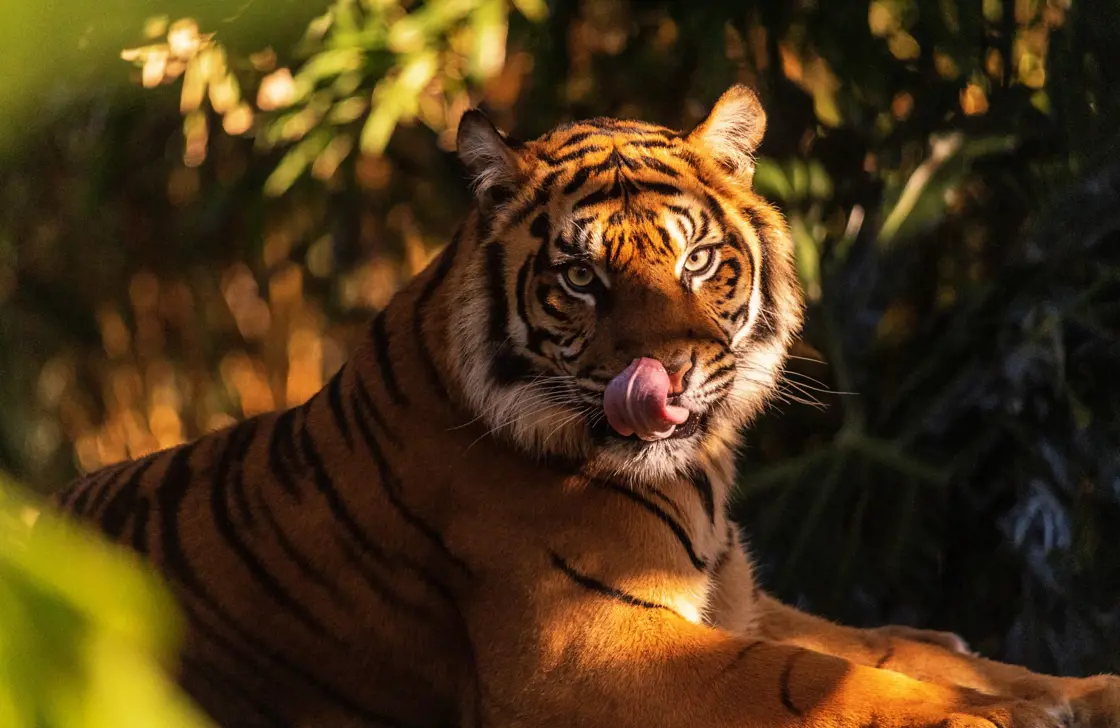
Taronga's breeding programs help maintain animal populations in human care. We work with zoos across Australia and around the world to carefully manage populations by protecting genetic diversity and ensuring high standards of animal welfare. This helps safeguard species for the future. For example, Taronga breeds Sumatran Tigers.
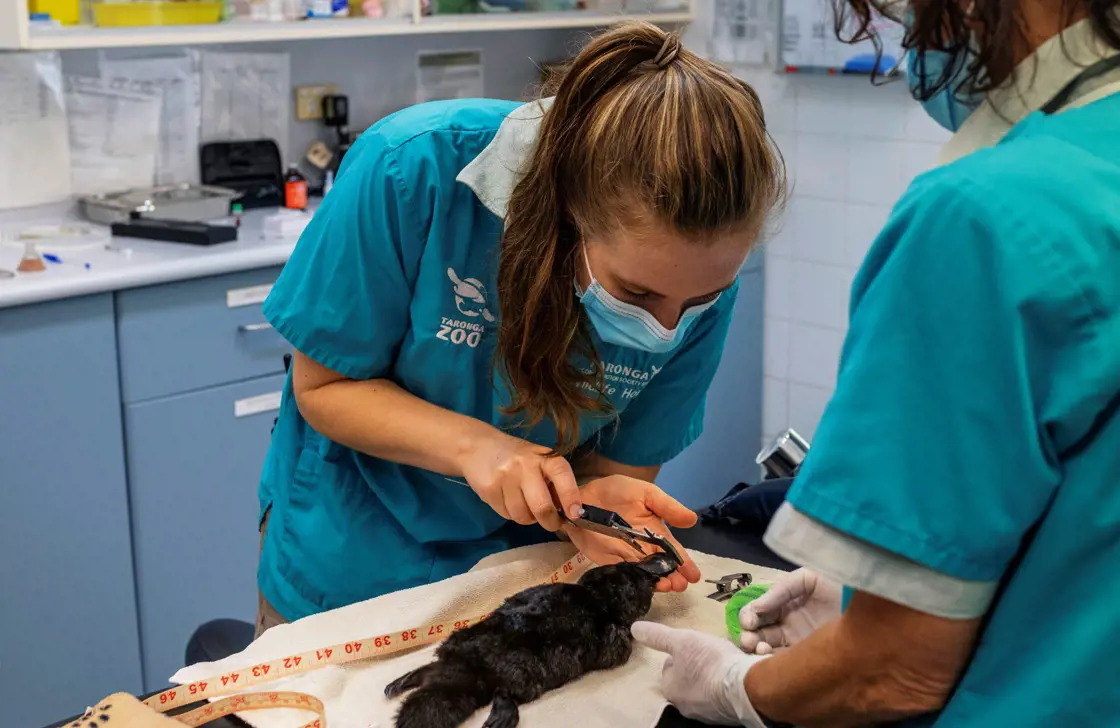
Many animals are rehabilitated in Taronga’s Wildlife Hospitals. These animals are brought in sick or injured, and cared for and treated to hopefully be released back into the wild.