
Conservation and science programs
Explore Taronga’s conservation and science programs, featuring research, wildlife care and initiatives that support healthy ecosystems and native species.
The aim of the Wildlife Hospitals is to rehabilitate as many native animals as possible for release back to the wild. The variety of animals treated is enormous, ranging from stranded seals and orphaned baby bats, to pelicans tangled in fishing line. All these animals need professional care and attention during the treatment and rehabilitation process to ensure they can be returned to their natural environment.
When an animal is brought to one of the two hospitals, the encounter details are recorded to ensure the animal is returned to it’s habitat. Whenever possible the rescuer is involved in the eventual release of the animal.

Learn about the steps taken when an animal is brought into the hospital.
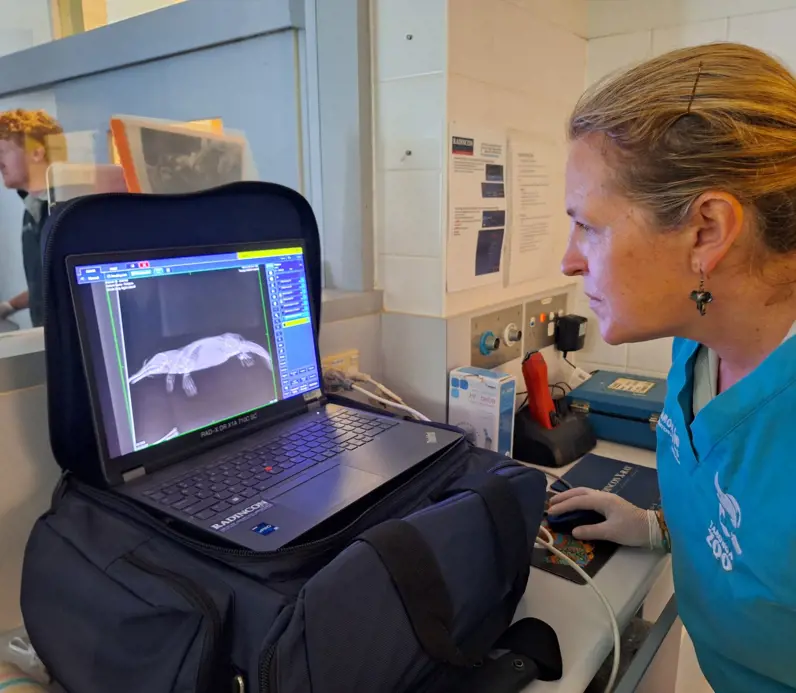
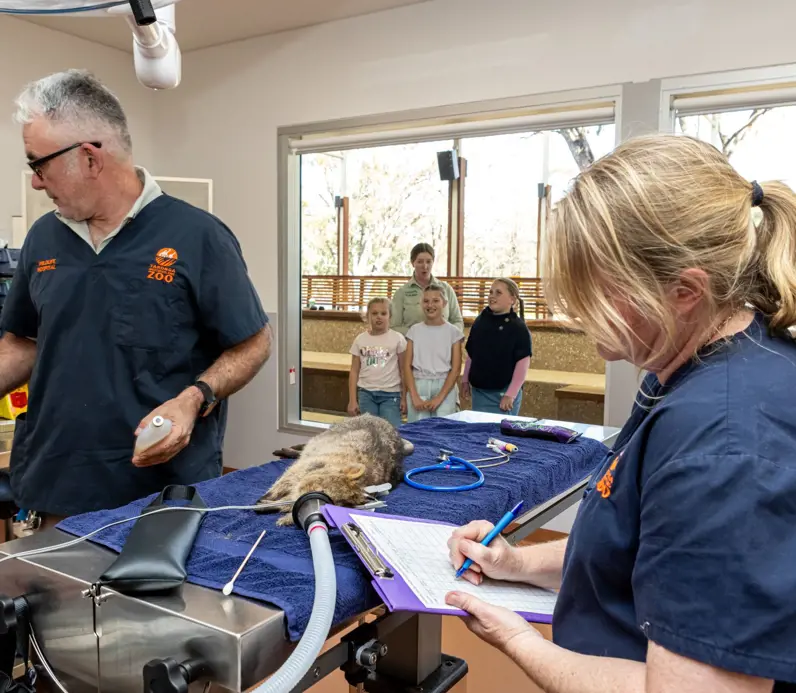
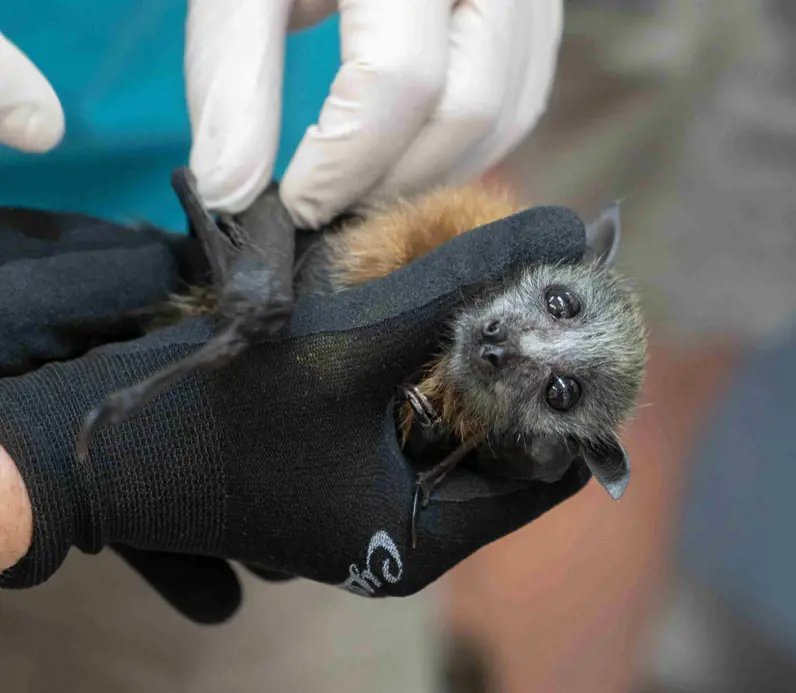
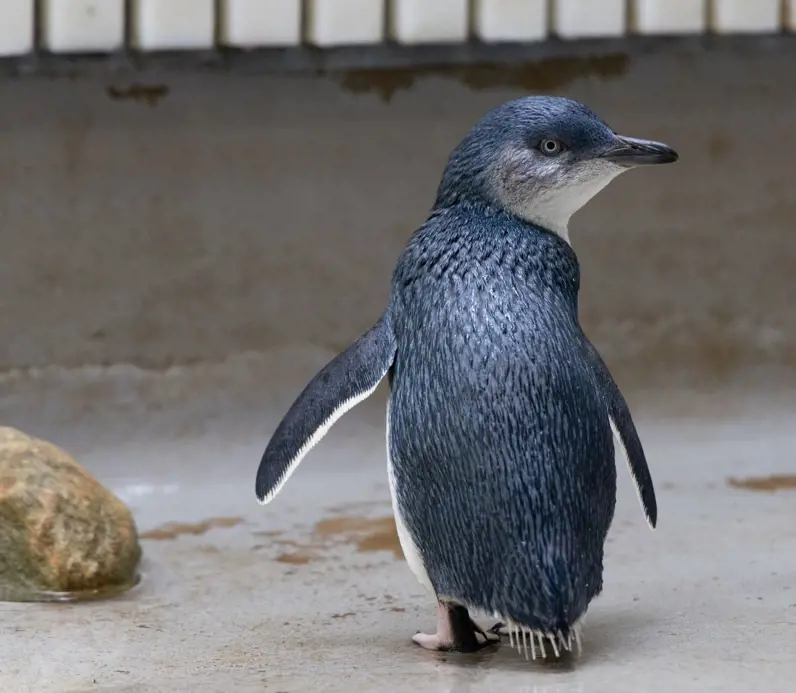
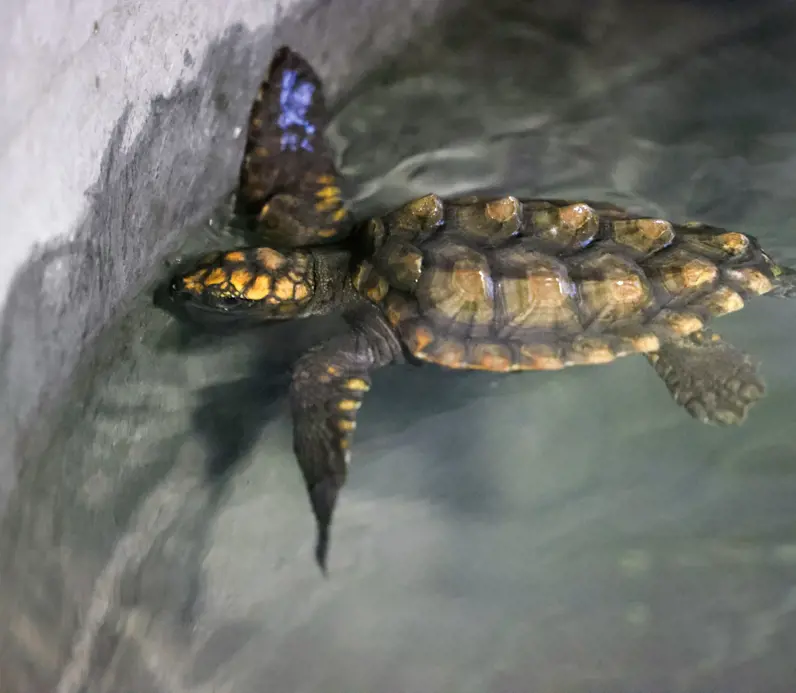
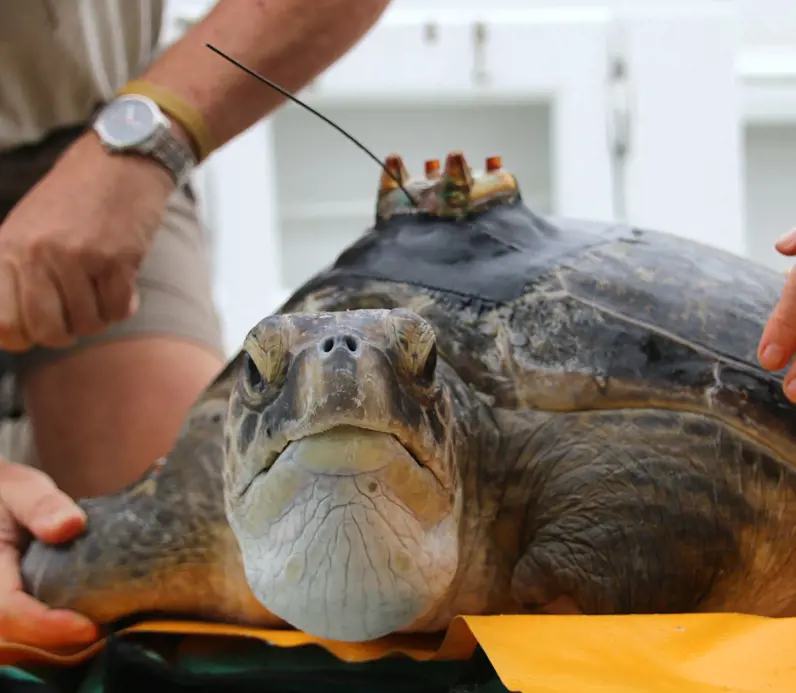
Meet some of the patients that have been admitted to Taronga's Wildlife Hospital.
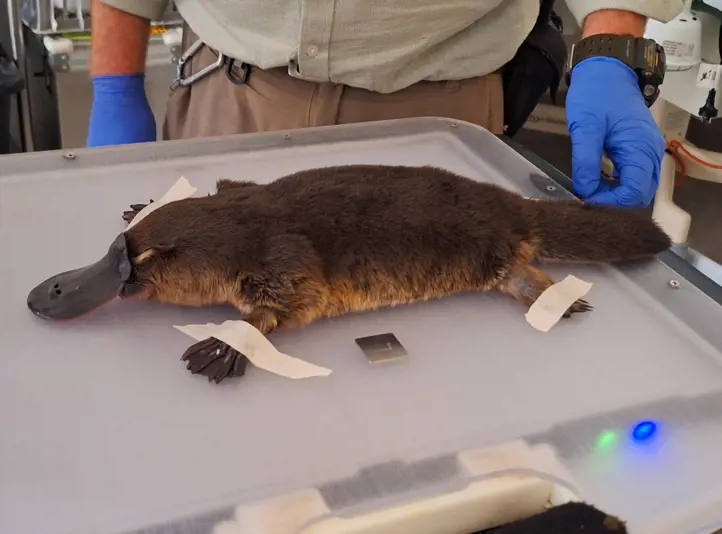
A sub adult male platypus was found in Hazelbrook in the Blue Mountains with a deep wound on his right shoulder. He was taken to Blaxland veterinary clinic and then transferred to Taronga by WIRES. The wound was treated successfully over several weeks and the platypus was released with the help of the Blue Mountains National Parks and Wildlife rangers who found the perfect release site in the National Park close to his encounter site.
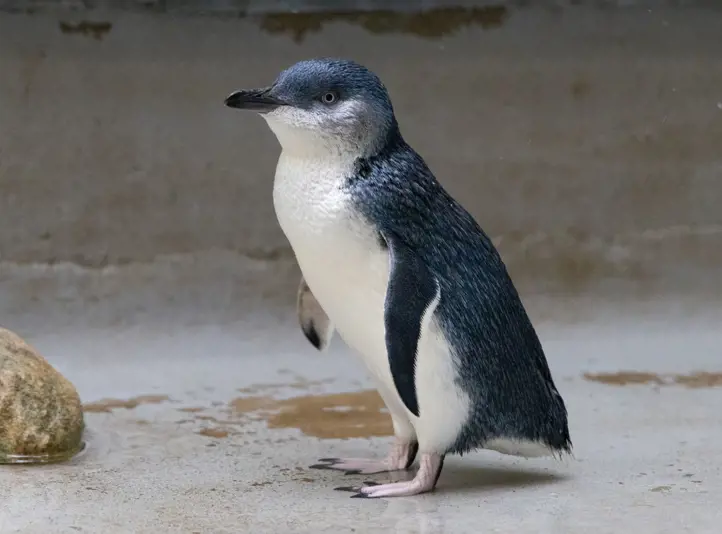
The Taronga Wildlife Hospital in Sydney treats and rehabilitates over 20 Little Penguins annually. The majority of these originate from the Manly Little Penguin colony, which is listed as an endangered population under the Threated Species Conservation Act. The Wildlife Hospital works in close collaboration with the Office of Environment and Heritage to protect these penguins, which have become a Sydney icon and are the last remaining mainland colony of penguins in New South Wales. Staff at the hospital have continued involvement with the Citizen Science based Project Penguin, threatened species fund raising events and beach clean ups in collaboration with the National Parks and Wildlife Service.
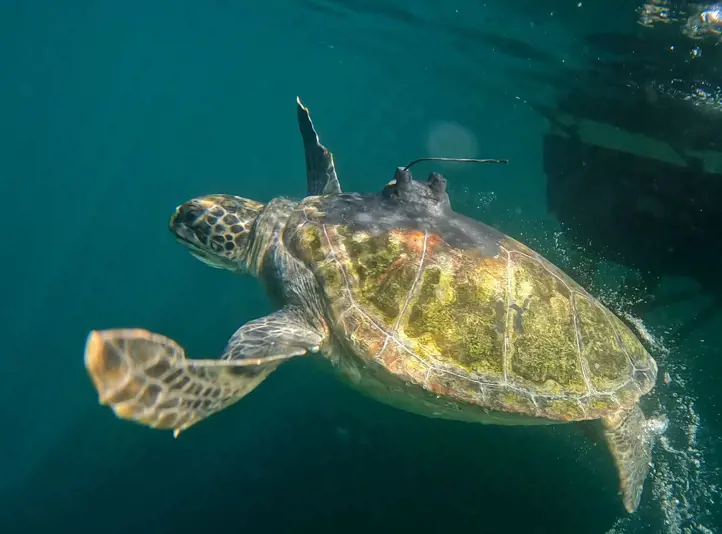
Taronga Wildlife Hospital receives approx. 40 endangered marine turtles each year that are found injured, sick or stranded on land. The species most commonly received are Green Turtles, Loggerhead and Hawksbill turtles. Many of these turtles are suffering from the effects of marine debris, plastic ingestion and entanglement in fishing line, hooks and netting. These turtles receive intense veterinary attention including full diagnostic testing often including CT scans. In many cases the turtles are in care for many months regaining full condition and strength before being identified with tags and microchips and released at sea with the assistance of the Sydney Harbour Water Police.
Explore Taronga’s conservation and science programs, featuring research, wildlife care and initiatives that support healthy ecosystems and native species.

Learn how Taronga supports animal welfare through expert care, behavioural enrichment, research and evidence-based standards across both Zoos.
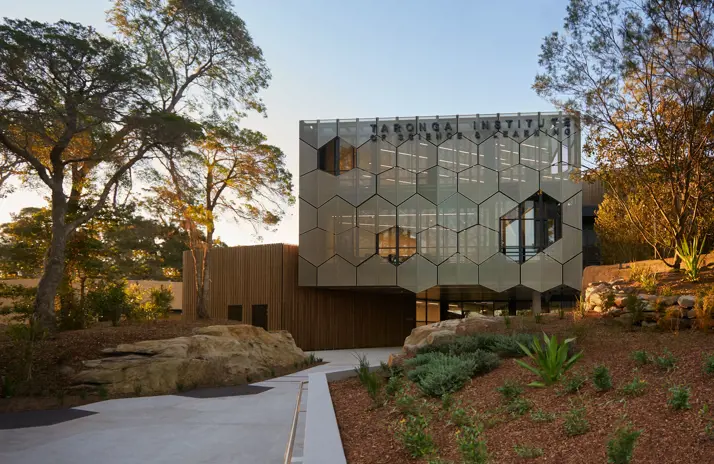
To help us shape a future for wildlife and people, we’ve created the Taronga Institute of Science and Learning, a world-class facility right here at Taronga Zoo Sydney.