


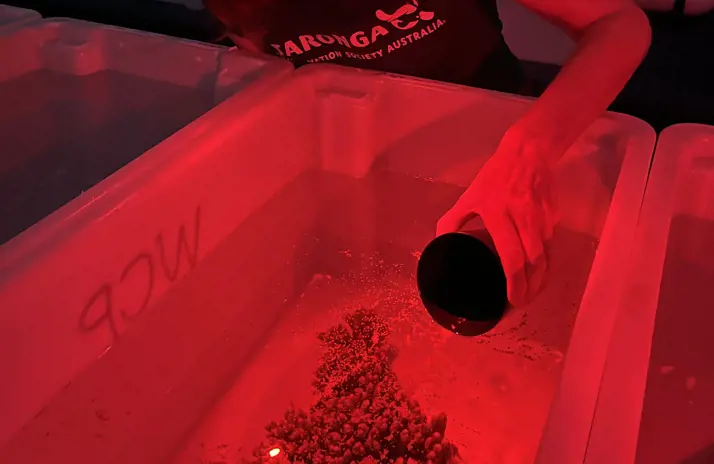
Sample collection
Tissues and gametes from species of high conservation value are collected.
Established in 1995, the Taronga CryoDiversity Bank holds living cells and tissues from threatened species to promote population resilience. The precious cells stored in the Bank are not only destined for assisted reproduction efforts but are instrumental for long-term monitoring of anthropogenic impacts on reproductive health and population sustainability.
Established in 1995, the Taronga CryoDiversity Bank holds living cells and tissues from threatened species to promote population resilience. The precious cells stored in the Bank are not only destined for assisted reproduction efforts but are instrumental for long-term monitoring of anthropogenic impacts on reproductive health and population sustainability.
Thousands of cell and tissue samples from threatened species across Australia and the world are stored in Taronga’s CryoDiversity Banks at both Taronga Zoo on Cammeraigal Country, and Taronga Western Plains Zoo on Wiradjuri Country. The Bank also holds the world’s largest frozen repository of living coral cells.
The CryoDiversity Bank is an important conservation tool for the management and recovery of threatened populations. The cells it holds have potential for future use in assisted reproduction to maximise population genetic diversity and resilience.
Taronga’s scientists work collaboratively on programs that assess and maximise genetic diversity in zoo-based and wild animal populations to promote resilience and the capacity for species and ecosystems to adapt to change.
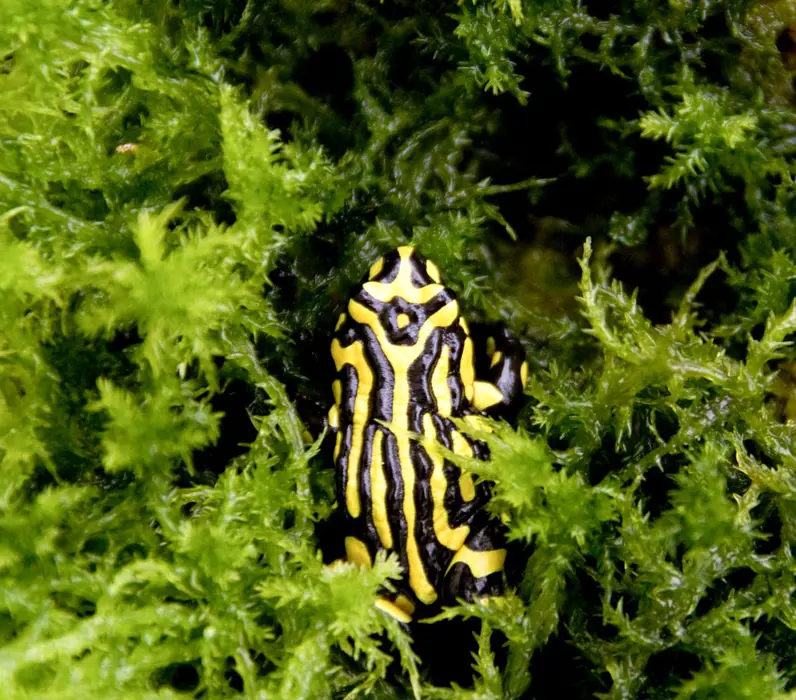
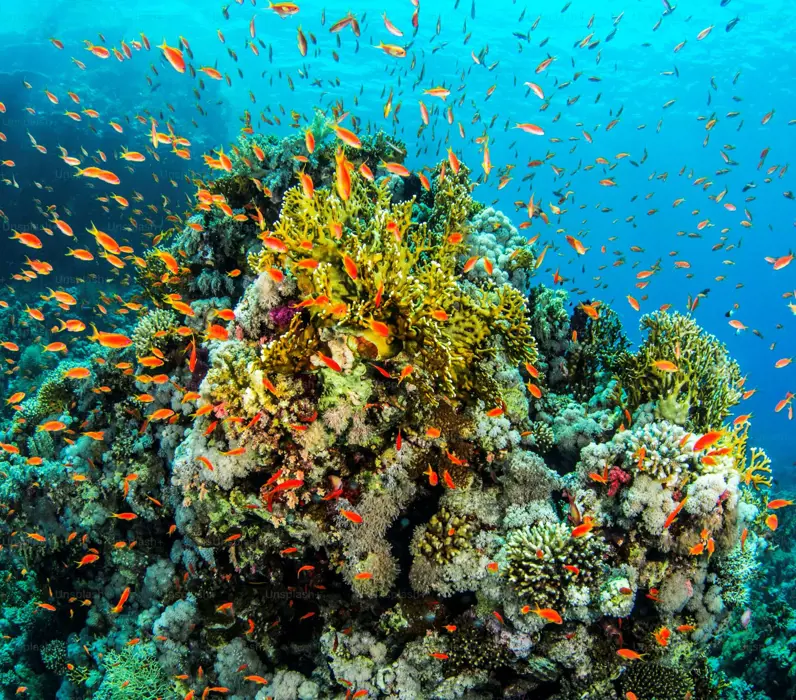
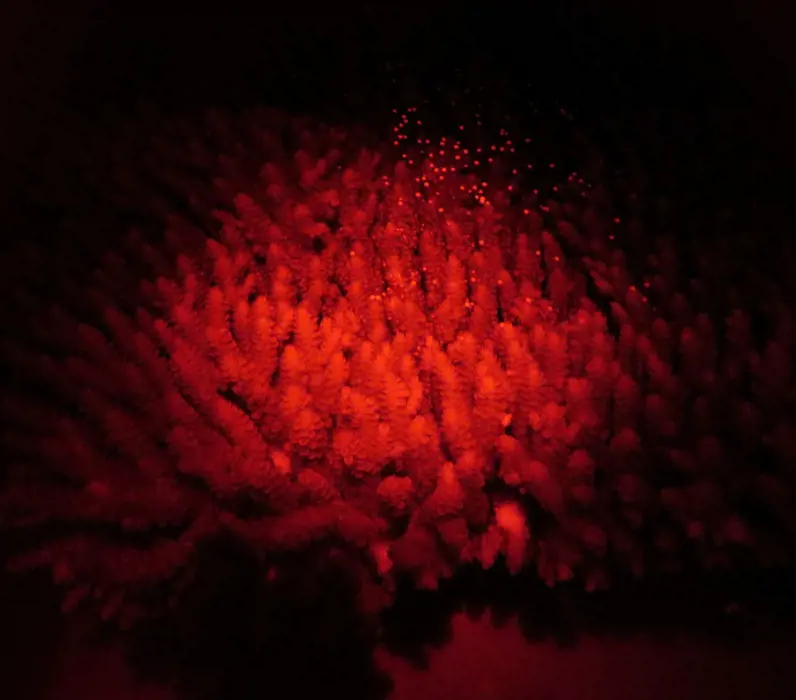
Our efforts are directed to strategic biobanking of high conservation value gametes and tissues for long-term storage and targeted use in assisted fertilisation and species recovery efforts. This includes prioritised biobanking of cryopreserved sperm from wild populations of Australian frogs impacted by drought and bushfire events, sentinel populations of wild koalas, and Great Barrier Reef corals including heat-tolerant genotypes for supporting reef resilience through assisted evolution.
Together with reproductive technologies like in vitro fertilisation, biobanking can secure biodiversity for decades and beyond to support species’ health and ability to survive and recover in a changing world. Biobanking can be used to support breeding programs based on natural reproduction by bolstering genetic diversity and population resilience. Alongside our partners, we continue to develop best-practice approaches to biobanking in culturally safe ways in collaboration with Traditional Custodians.
Cryopreservation is the process in which cells and tissues are cooled to extremely low temperatures (usually in liquid nitrogen at –196°C) to preserve their structure and biological functions.
Tissues and gametes from species of high conservation value are collected.
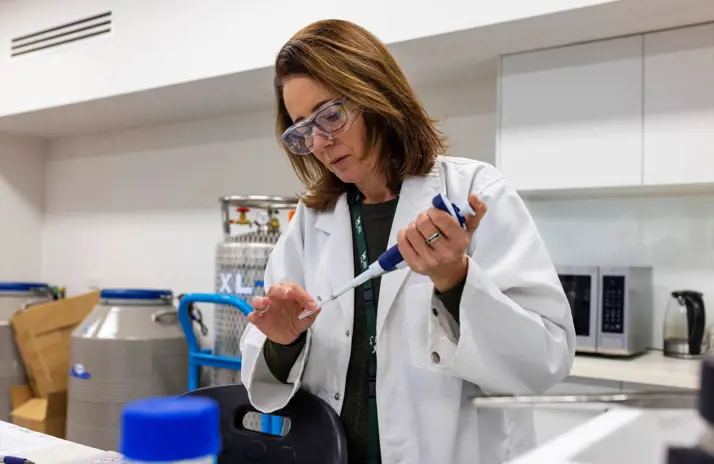
Cryoprotectants are added to samples to prevent ice damage to the cells.
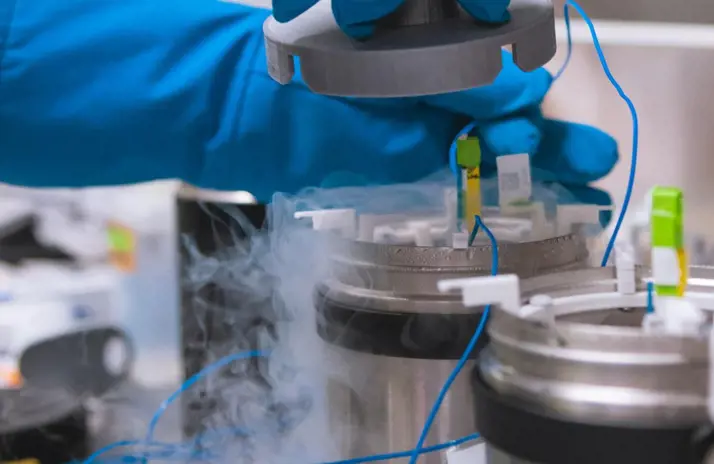
Samples are frozen in liquid nitrogen (-196°C) at a controlled rate to prevent cell damage.
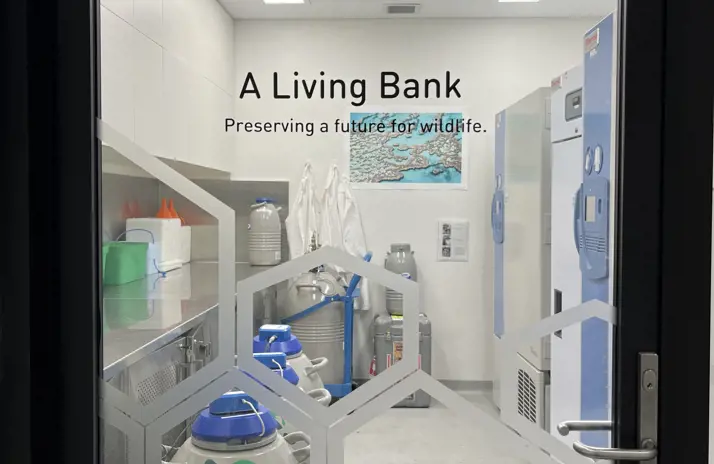
Samples are accessioned into the CryoDiversity Bank and can remain here indefinitely until thawed for use.
Learn more about how Taronga is applying cryopreservation technologies to reef management, research and conservation.
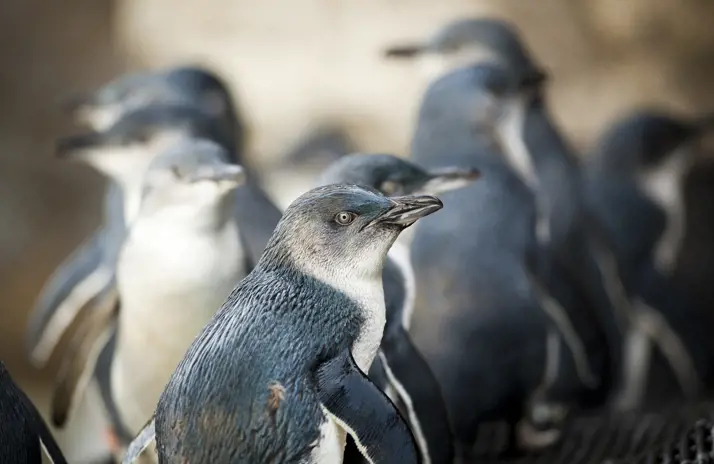
Explore Taronga’s biodiversity conservation work, including research, habitat projects and programs that support resilient ecosystems and native species.

Access the Australian Shark Incident Database from Taronga, providing verified incident records and research insights for shark safety and conservation.
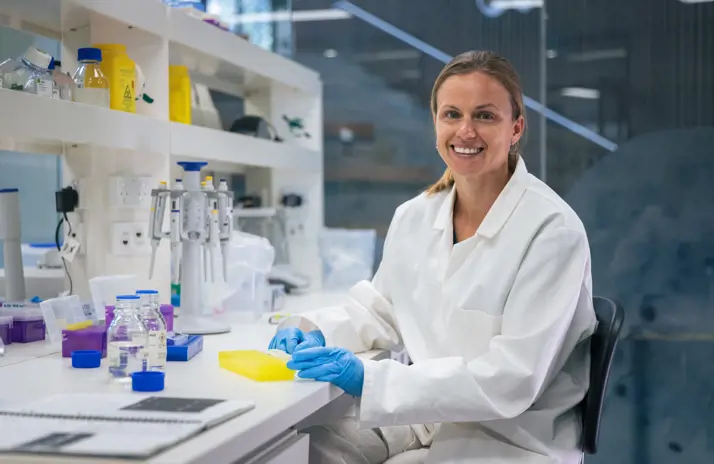
Meet Taronga’s scientists and learn about their research, expertise and contributions to wildlife conservation, welfare and environmental science.
