Wildlife Nutrition Training

Wildlife Nutrition Training

Online Wildlife Nutrition Training

Learn at your own pace through practical, industry-aligned modules, developed by leaders in wildlife nutrition.

Modules available soon.

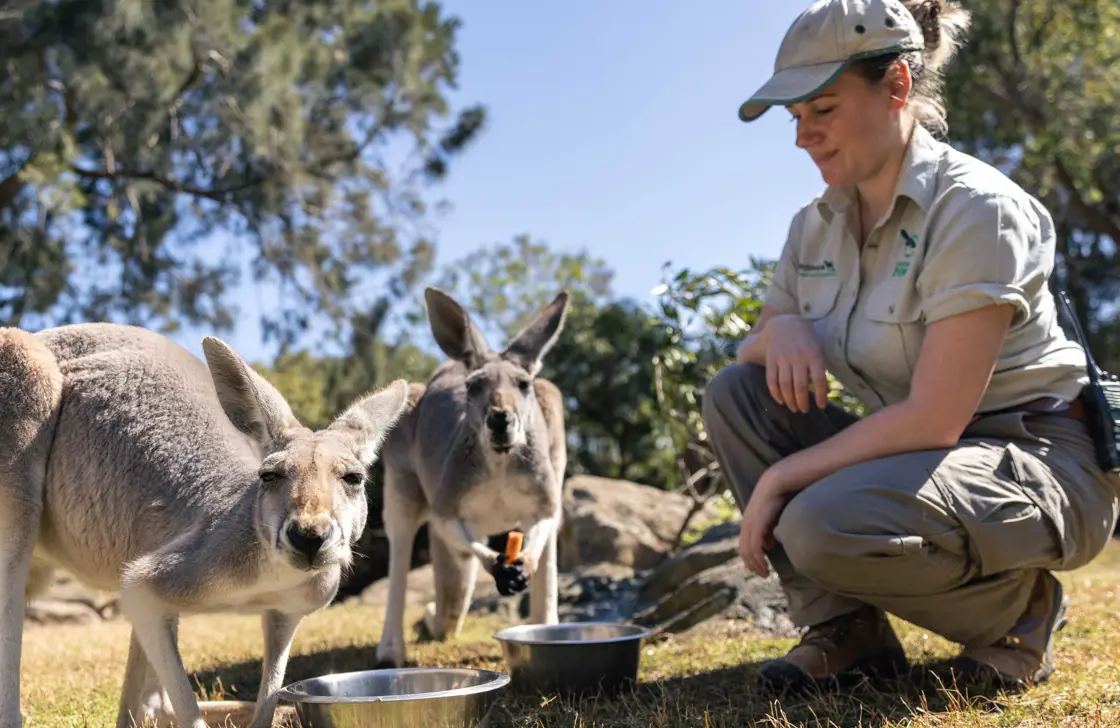
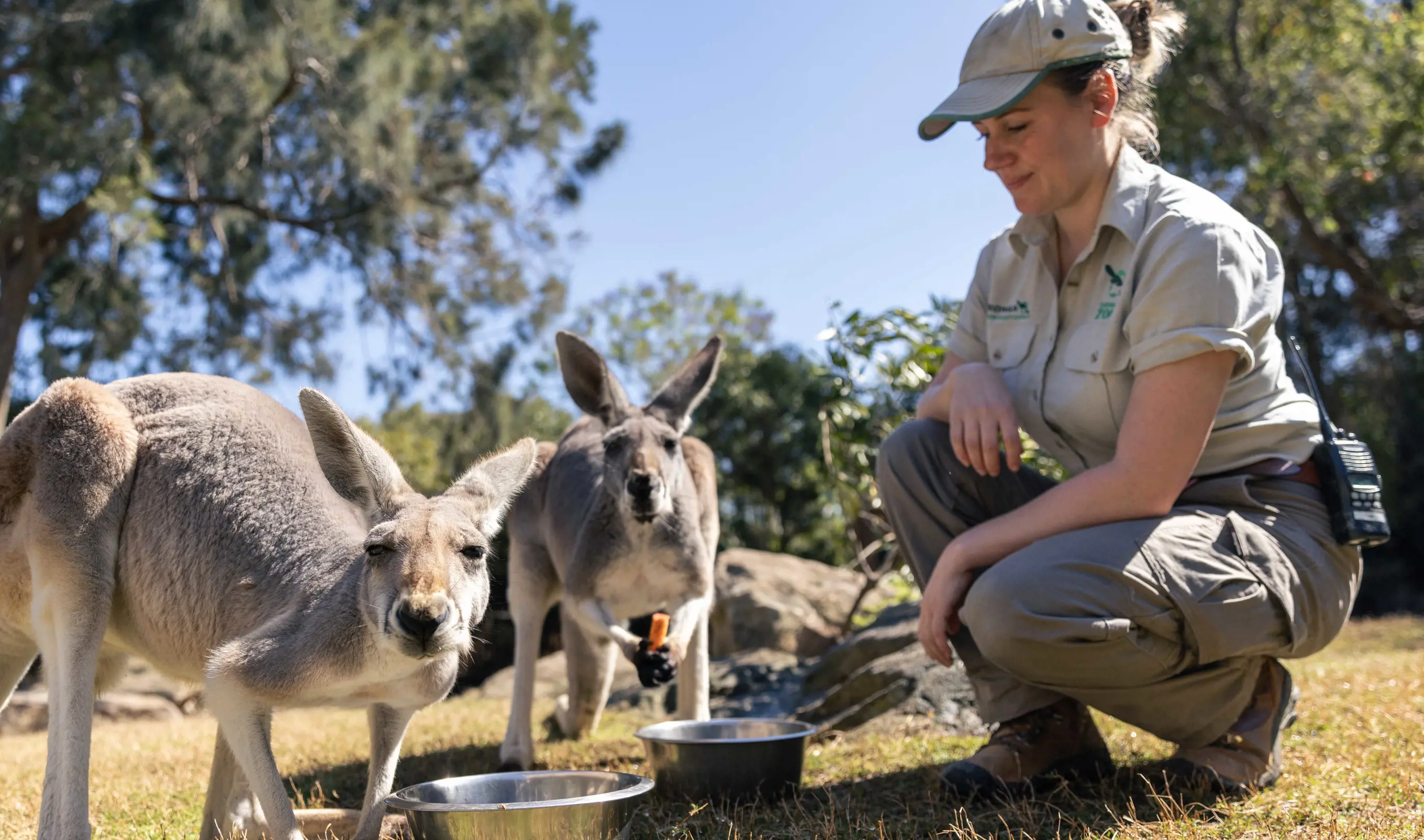
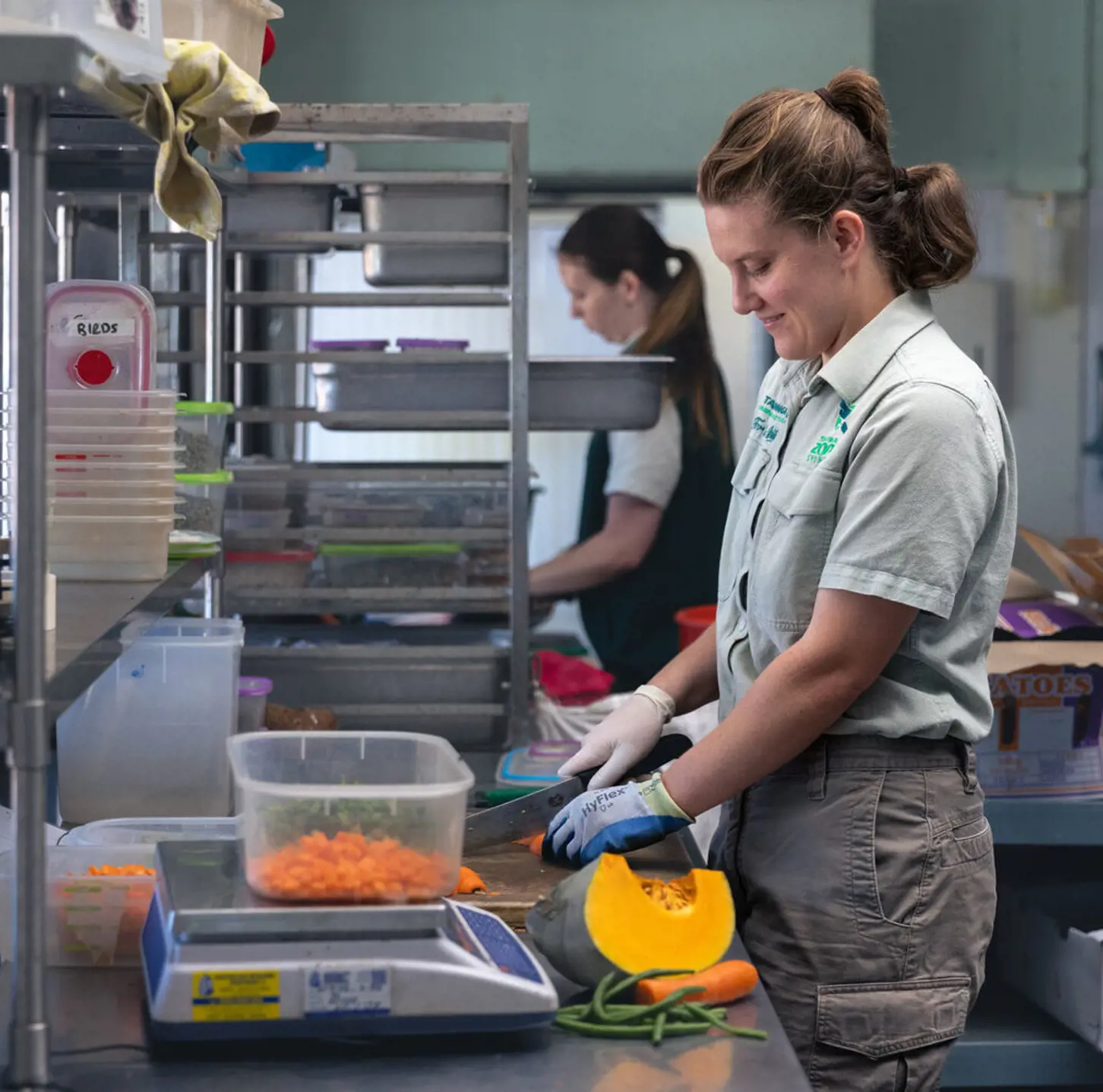
Zookeeper preparing food for animals

Feeding is easy. Feeding with intent takes training.

Elevate your animal nutrition skills with engaging, accessible online learning.
Build a strong foundation in animal nutrition with Taronga’s Zoo & Wildlife Nutrition Training Series. Designed for anyone who feeds animals and wants to do it well.


Whether you're a pet owner, student, animal care volunteer, zookeeper, researcher, or veterinary professional, this series builds practical, industry-aligned understanding that supports confident, welfare-focused feeding decisions across domestic, companion, wildlife, and exotic species in managed care.

What decisions fill every bowl, bucket and trough?
Build the skills to make them with confidence.

Learning modules available online very soon. 

Register for updates to be the first to know when enrolments open.

Zookeeper preparing food for animals

Learning modules

“To eat is a necessity, but to eat intelligently is an art." 
– François de La Rochefoucauld

Each module is self-paced, accessible, and grounded in real-world zoo and animal care practice - No unnecessary jargon. No abstract theory without application. Just clear, practical understanding you can use immediately.

And we’re just getting started! More modules are already in development. 

Animal Nutrition Basics

What’s all the hype about nutrients, energy, digestion and metabolism? Learn the fundamentals of how nutrition underpins health, behaviour, and welfare across species.

Feeding & Watering in Practice

Understand and apply feeding plans, container selection, and food presentation, while monitoring intake, condition, and records to ensure accurate diets and early identification of abnormalities. Covers common pitfalls and unintended consequences.

Food Quality Assessment and Storage Requirements

Learn how to manage food and supplement supply from purchasing through to storage and stock records, ensuring consistent diet quality and safe feeding for all animals.

Food Preparation and Distribution

Implement food preparation equipment, hygiene practices, transport systems, and hazard controls to ensure safe, efficient, and reliable feeding operations.

Feeding of Domestic and Companion Animals Basics

Apply core nutrition principles to familiar species, covering balanced diets, common misconceptions, and nutrition’s role in long-term health.

Feeding of Wildlife and Exotic Animals Basics

Examine how natural diets translate into managed settings, focusing on biological intent, species-specific challenges, risk identification and informed compromise.

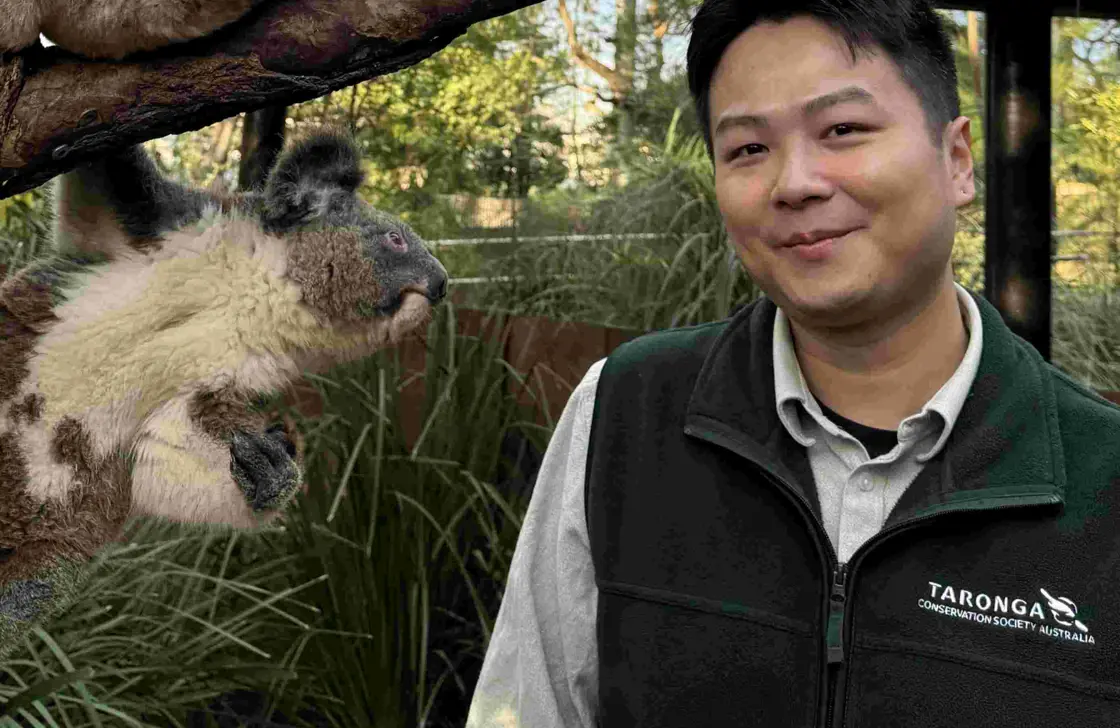
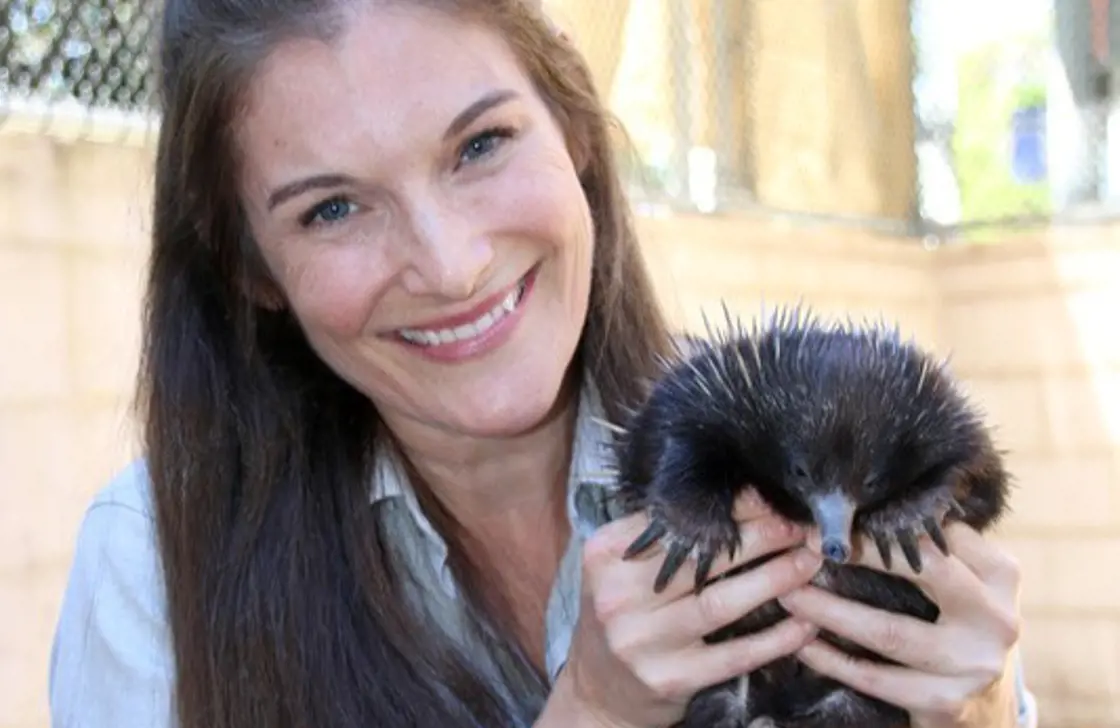
Michelle Shaw, Wildlife Nutritionist at Taronga Zoo

Meet your Wildlife Nutritionists


Michelle Shaw and Po-Han Chou, bring precision, clarity and a deep understanding of how nutrition intersects with physiology, behaviour and welfare. Together, they combine expertise in comparative nutrition research, applied feeding management, diet formulation, and hands-on practical knowledge to support better feeding decisions.


Michelle Shaw, Wildlife Nutritionist at Taronga Zoo
Michelle Shaw

“Evolution shapes what animals are designed to eat. 
When we learn to recognise those patterns, 
feeding decisions start to make sense."


Michelle Shaw is the Manager of Zoo & Wildlife Nutrition at Taronga. Michelle has a bachelor’s degree in Animal Biology, a master’s degree in Animal Nutrition and is currently a PhD candidate studying “The distinctive digestive adaptations of echidnas,” at the University of Adelaide. With over three decades of experience in zoo and wildlife nutrition, her work spans research, consulting and professional development across a wide range of species.

Michelle has a particular talent for making complex nutrition science accessible and meaningful. By translating evolutionary biology into practical application, she supports learners at all levels build confidence and clarity in their feeding decisions.

Her goal is simple: to empower people at every level to make confident, informed feeding choices that genuinely improve long-term animal health and welfare.

Po-Han Chou
Po-Han Chou

“A well-formulated diet is preventive medicine and should be carefully reviewed to mitigate potential risks before it is fed to animals to promote positive animal welfare.”

Po-Han Chou joined Taronga after leading nutrition programs at Mandai Wildlife Group in Singapore, working across one of the most diverse zoological populations globally. Po-Han holds a master’s degree in foraging ecology and is currently a PhD student in wildlife nutrition at Ghent University Belgium. He is a steering committee member of the Southeast Asian Zoos and Aquariums Association (SEAZA) Nutrition Network (SNN). 

He was recruited to Taronga to develop the Zoo & Wildlife Nutrition Training Series, ensuring it reflects international best practice while remaining accessible and practical for animal care teams.

Po-Han is meticulous and aims to develop materials that are accessible and easy to understand for learners of different levels. While the content is concise and easy to comprehend, he strives to ensure that the information remains accurate, reflects the latest knowledge, and covers all relevant factors related to the topic.

Frequently Asked Questions

Do I need a nutrition background?

No! The modules are designed to be accessible to learners with varied experience, from students and volunteers to experienced professionals. Some modules may build on concepts and fundamentals from other modules so we may recommend you take them in a certain order.

Is this only for zoo staff?

No. If you feed an animal, this training series is for you! While grounded in zoo and wildlife contexts, the principles apply whether you are a pet owner, animal care staff/volunteer, student, researcher, conservation scientist, or veterinary professional.

How much does the training cost?

Individual Enrolment: Single module or bundled discounted options available.
“I’d like to pick and choose only a few modules.” Each module is $100 AUD.
“I want it all!” You get a 5% discount off the total price if you enrol in all the modules at the same time.


Institutional License: Available for zoos, wildlife parks, schools, associations and animal organisations seeking consistent nutrition training across teams. License fees are based on the number of “learners” in your institution and unlocks all the modules as they are developed.

Contact us to find out whether your institution already has a licence, or to enquire about obtaining an institutional licence.

Register your interest HERE

How is the training series delivered?

The Taronga Wildlife Nutrition Training Series is designed to fit around your busy life. It is currently 100% online, self-paced learning.

How long does each module in the series take?

You work at your own pace! Modules are designed to be completed in short bite-size sessions that can be paused and resumed at any time. Generally, modules may take 1 to 2 hours to complete in one session.

Is the content evidence-based?

Yes. All content is developed by experienced wildlife nutrition professionals and aligned with current best practice.

Will there be more advanced courses?

Yes. Intermediate and advanced modules are currently in development.

Do I receive a diploma, degree or certificate?

You will receive a certificate of completion from Taronga for each module but these courses are not currently certified. If you would like these courses to be used for continuing education credits please contact our Education team at tti@zoo.nsw.gov.au and we will enquire for you. 

Is the Taronga Nutrition Training Series available outside of Australia?

Yes! You can register and enrol for any of our modules no matter where you live. Fees will be in Australian dollars.

Was this series designed by experienced animal nutritionists?

Yes! You can meet them here: https://taronga.org.au/education/nutrition-training#meetyourwildlifenutritionists