Booroolong Frog
Scientific nameRhyaconastes (Litoria) booroolongensis
Conservation status (IUCN)
Endangered
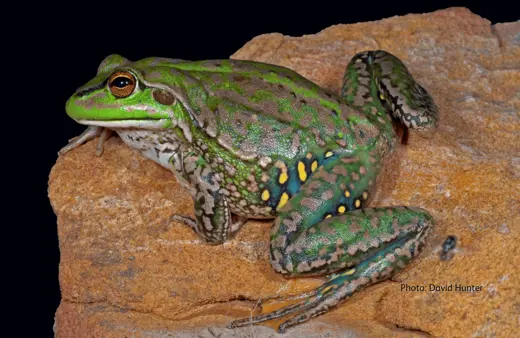
The Booroolong Frog is a small tree frog that is native to Australia. It has disappeared from much of its historic range, but our breed-for-release program is returning them back to their natural habitat.
Sydney
Visitor tips for Taronga Zoo Sydney
You can see Booroolong Frogs in ARC.
ARC Keeper Talk
11:00am
Fun facts about Booroolong Frogs

4yrs
A Booroolong Frog can live up to 4 years.
Where they live
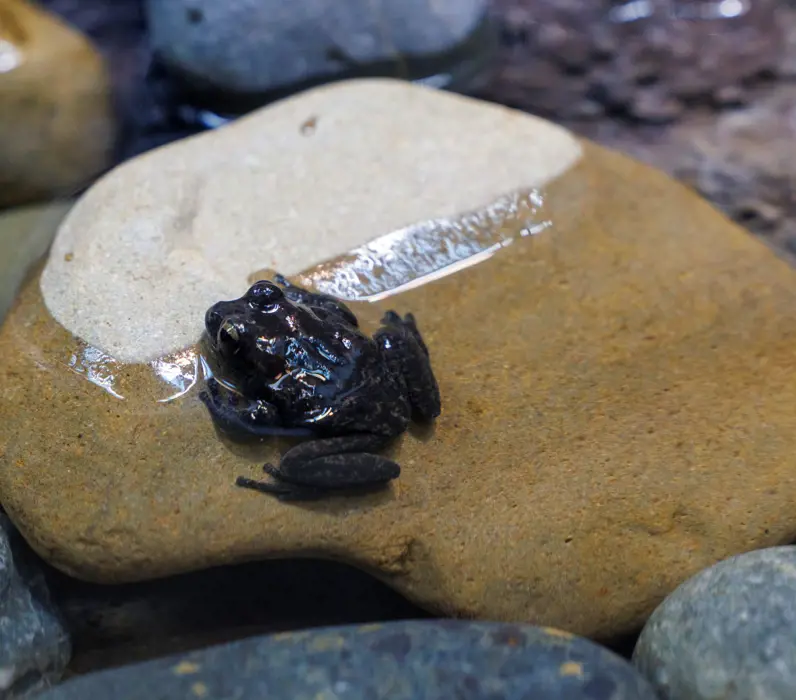
Permanent streams with rocky formations and grassy vegetation
What they eat
They're a generalist feeder that mainly eats arthropods (like insects)

55mm
Female Booroolong Frogs can grow up to 55mm, while males grow to 40mm
Where they're found
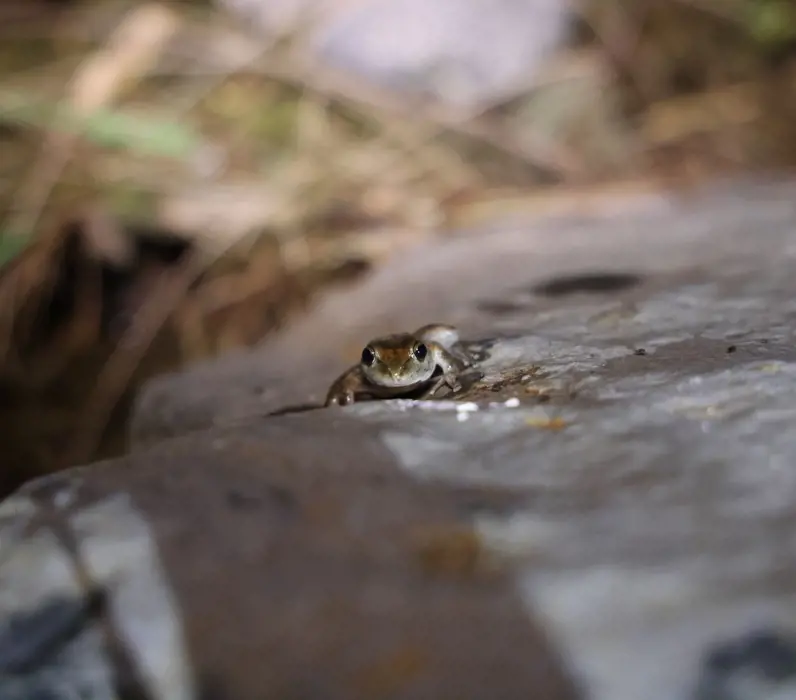
Isolated pockets of the tablelands and slopes of NSW and Victoria

Mating
Mating occurs in Spring and early Summer
4yrs
A Booroolong Frog can live up to 4 years.
Where they live
Permanent streams with rocky formations and grassy vegetation
What they eat
They're a generalist feeder that mainly eats arthropods (like insects)
55mm
Female Booroolong Frogs can grow up to 55mm, while males grow to 40mm
Where they're found
Isolated pockets of the tablelands and slopes of NSW and Victoria
Mating
Mating occurs in Spring and early Summer
Did you know?
We bet you didn't know these facts this Australian amphibian.

Tap the icons
Scroll across to reveal Booroolong Frog facts.
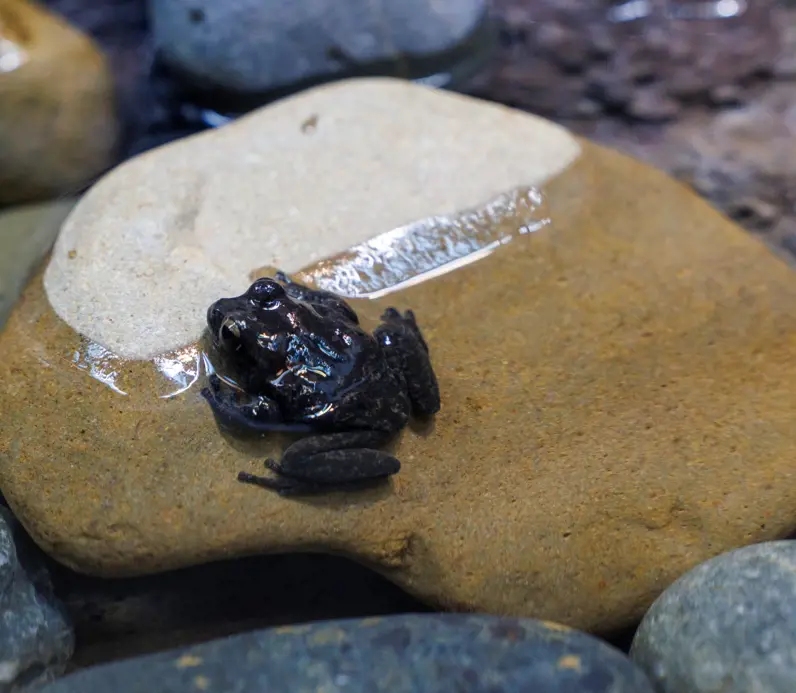
Fifty shades of frog
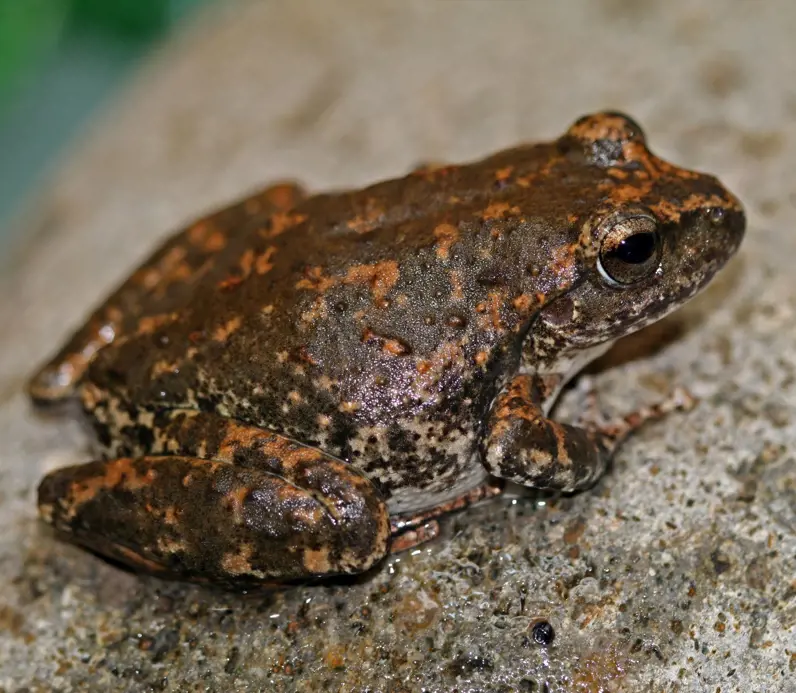
Booroolong frogs colours can vary, and can be anywhere between grey, olive or dark brown.
Small but essential
They play an important role in the ecosystem because they eat river pests and are a food source for other animals.
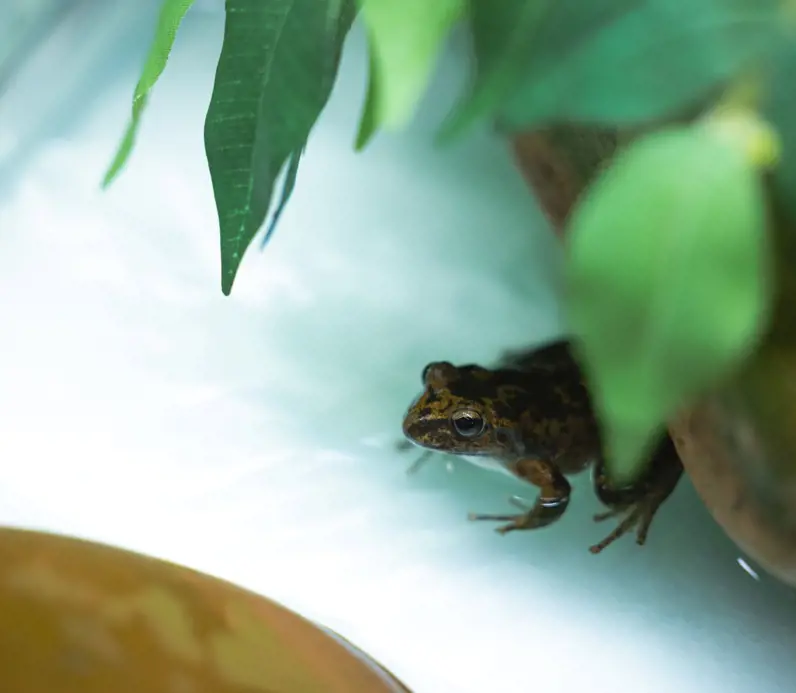
Hidden hangouts
They will often shelter under rocks near a streams edge.
Conservation status (IUCN)
Endangered
Booroolong Frog Conservation
The Booroolong Frog was once widespread, but has disappeared from most of its range since the mid-1980s due to changes to the landscape and chytrid fungus.
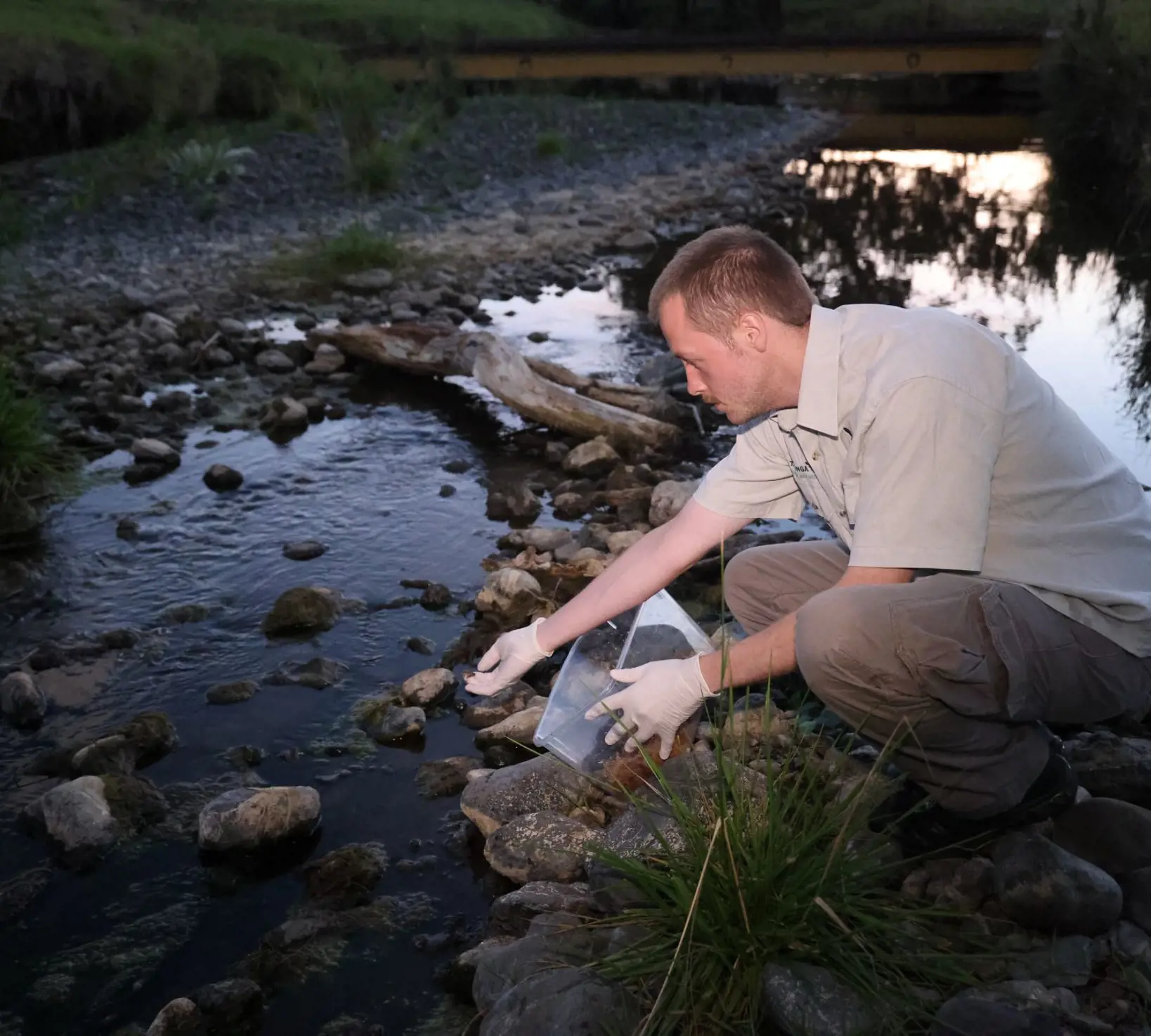
The 2018-2020 drought severely impacted this frog’s habitat in the northern Tablelands of NSW. Taronga collected sixty frogs from the drying ecosystem as founders for an emergency insurance population, breeding them in specialist facilities at Taronga Zoo Sydney. This original population has since boomed in numbers, allowing Taronga to return over 1000 frogs back into the wild since 2023 when conditions improved. Monitoring of the released frogs shows they are growing and appear to be doing well.
Learn more
The 2018-2020 drought severely impacted this frog’s habitat in the northern Tablelands of NSW. Taronga collected sixty frogs from the drying ecosystem as founders for an emergency insurance population, breeding them in specialist facilities at Taronga Zoo Sydney. This original population has since boomed in numbers, allowing Taronga to return over 1000 frogs back into the wild since 2023 when conditions improved. Monitoring of the released frogs shows they are growing and appear to be doing well.
Learn more
Conservation stats
Taronga's Booroolong Frog conservation stats - and counting!

4,000+
Taronga has bred and released over 4,000 Booroolong Frogs into the wild.
*Data updated 2025
*Data updated 2025