Yellow-spotted Bell Frog
Scientific nameRanoidea (Litoria) castanea
Conservation status (IUCN)
Critically Endangered
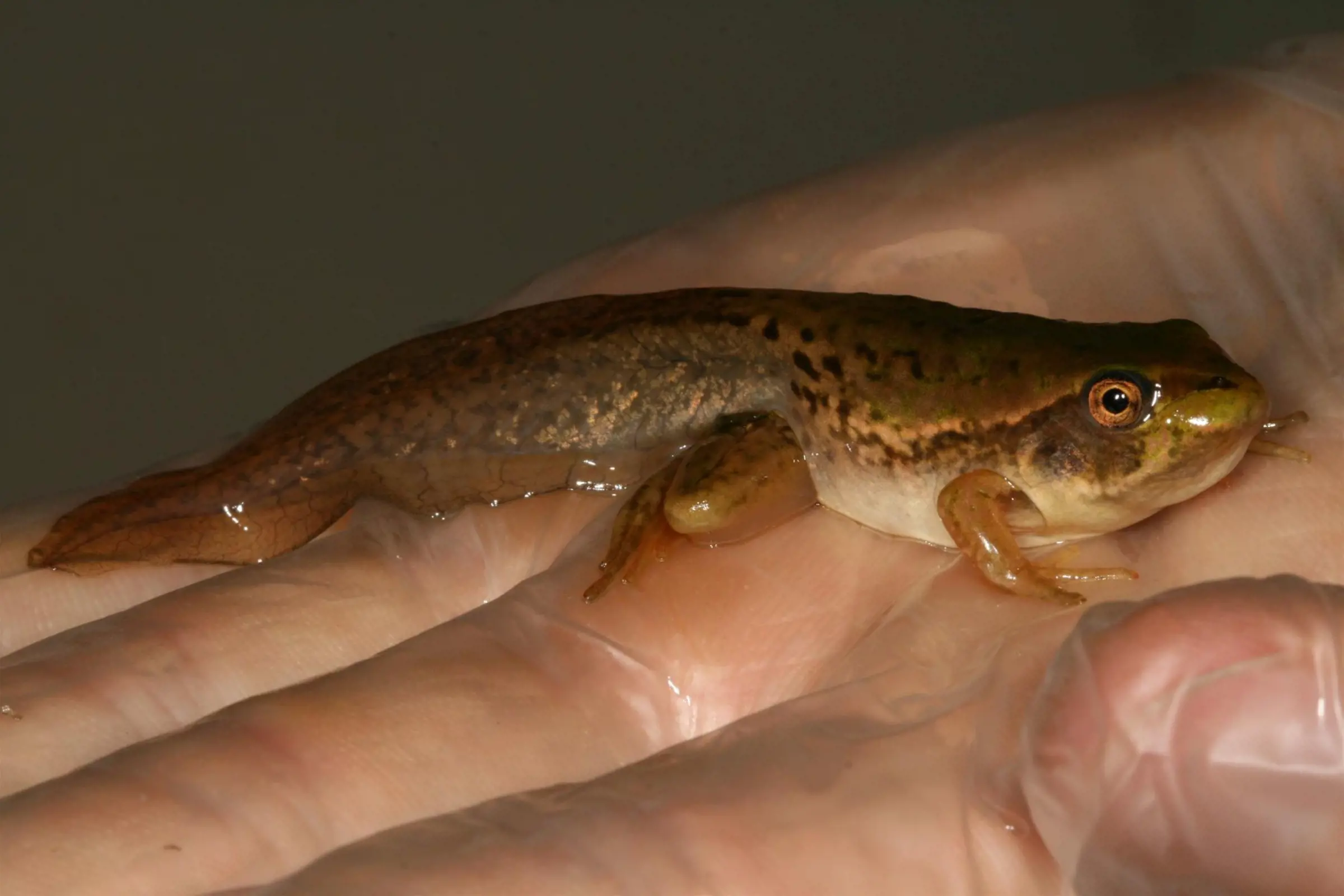
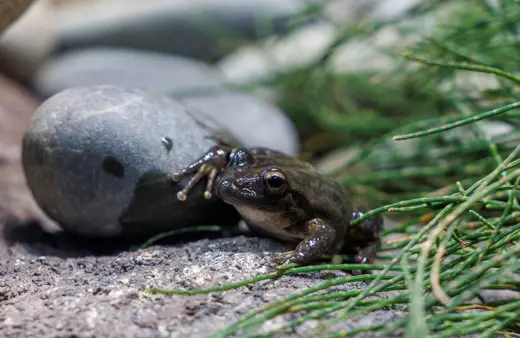
The Yellow-spotted Bell Frog is an Australian native tree frog. For thirty years this amphibian was feared extinct. When a small population was rediscovered, Taronga leapt into action to ensure their species survival.
Sydney
Visitor tips for Sydney
You can see Yellow-spotted Bell Frogs in ARC.
Fun facts about the Yellow-spotted Bell Frog

10 yrs
A Yellow-spotted Bell Frog can live up to 10 years.
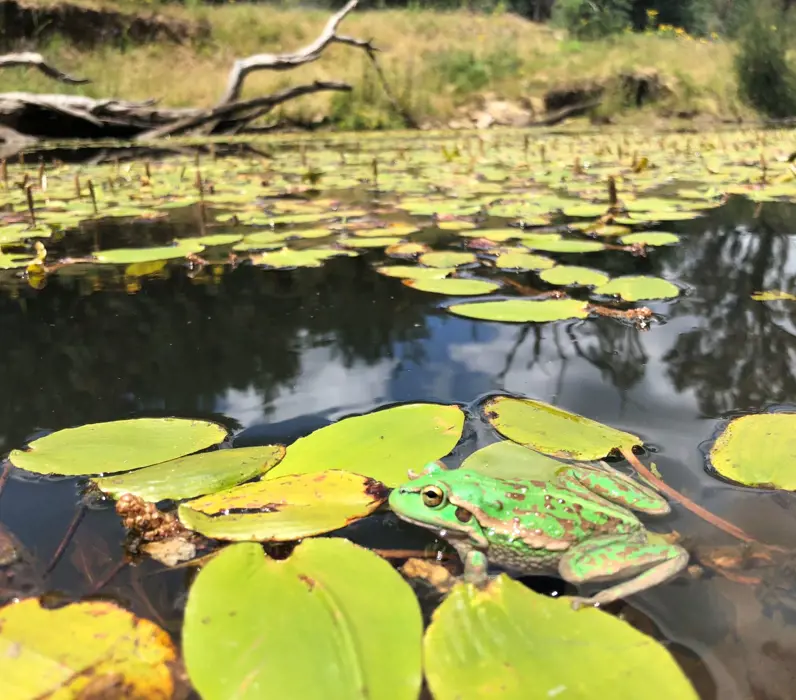
Where they live
Permanent waterbodies like ponds, lakes, and wetlands with grassy vegetation.
What they eat
Invertebrates
Where they're found
Isolated pockets of the tablelands of NSW.

50mm
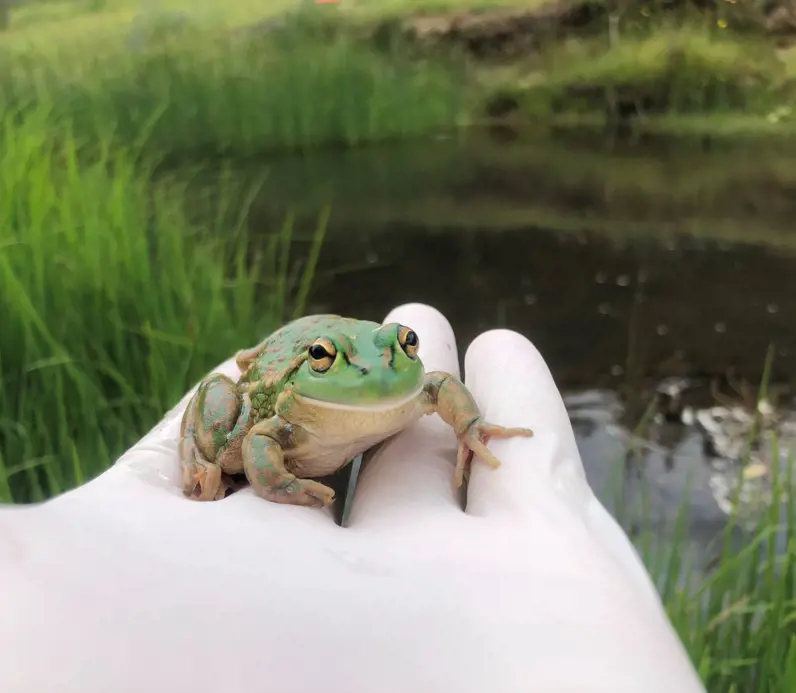
Yellow-spotted Bell Frogs can be between 50-90mm long
Mating calls
Males call most of the year, with short grunts that sound like a revving motorbike
10 yrs
A Yellow-spotted Bell Frog can live up to 10 years.
Where they live
Permanent waterbodies like ponds, lakes, and wetlands with grassy vegetation.
What they eat
Invertebrates
Where they're found
Isolated pockets of the tablelands of NSW.
50mm
Yellow-spotted Bell Frogs can be between 50-90mm long
Mating calls
Males call most of the year, with short grunts that sound like a revving motorbike
Did you know?
We bet you didn't know these facts this Australian amphibian.

Tap the icons
Scroll across to reveal Yellow-spotted Bell Frog facts.
Green and gold frog
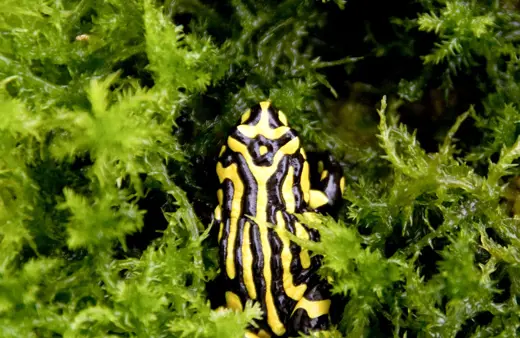
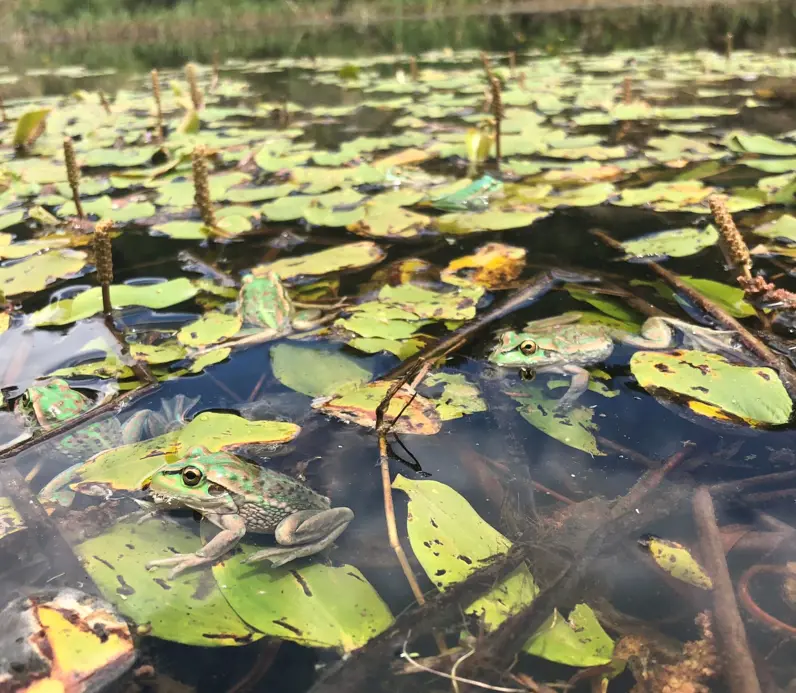
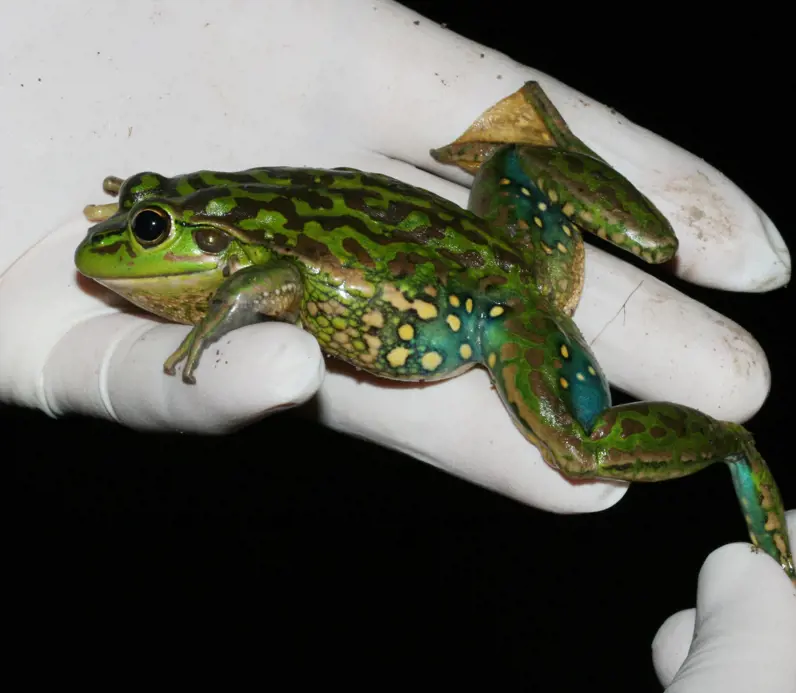
Their body colouring can vary, showing patterns of green and gold.
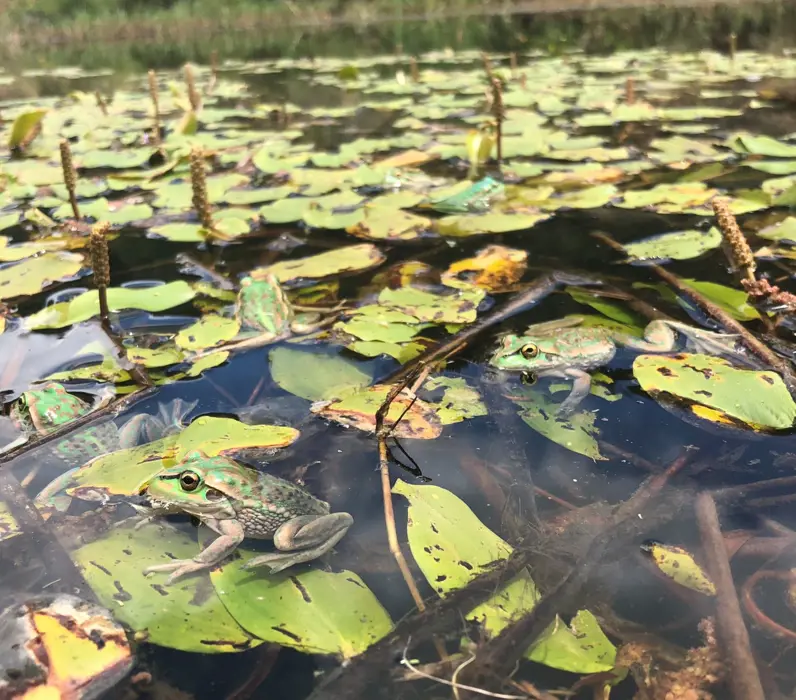
How many can you spot?
They live in ponds, lakes and wetlands with grassy vegetation. How many can you ‘spot’?!
Yellow spots
They're known for having yellow spots near their hind legs. In the wild, the area of skin between their hind legs and body is a deep blue, contrasting with the bright yellow spots. However, when the frog is sitting – it's hard to see this unique area of their body.
Conservation status (IUCN)
Critically Endangered
Yellow-spotted Bell Frog Conservation
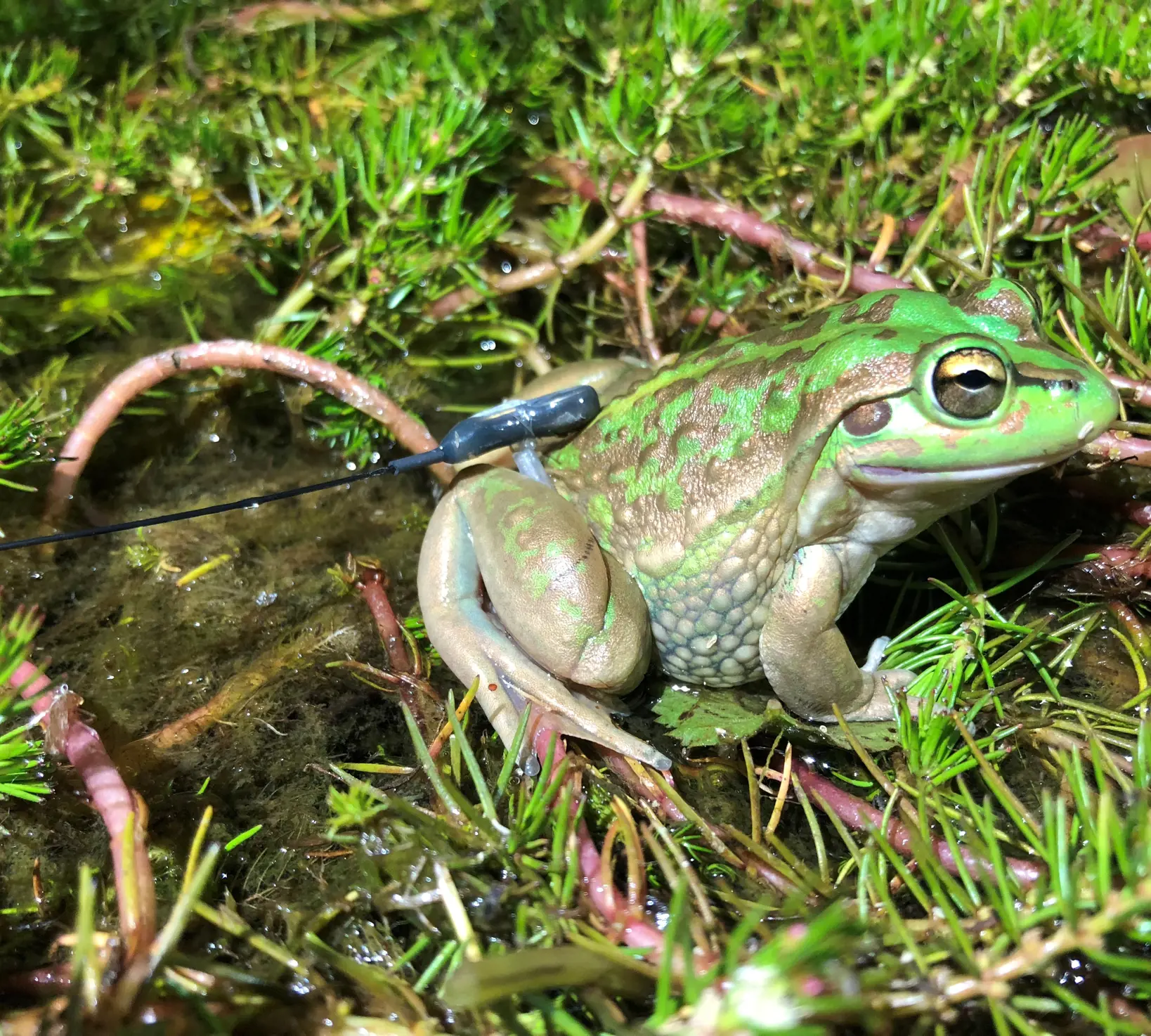
In 2018, over 750 Yellow-spotted Bell Frogs were returned to their natural habitat. In 2019, a further 1000 frogs were released. We are continuing to breed and study the frogs to secure their future.
Though the threat posed by chytrid remains, their extinction has been prevented for now, giving time for scientists to explore new ways to fight the fungus.
Learn more
Though the threat posed by chytrid remains, their extinction has been prevented for now, giving time for scientists to explore new ways to fight the fungus.
Learn more
Conservation stats
Taronga's Yellow-spotted Bell Frog conservation stats - and counting!

2,160+
Taronga has bred and released over 2,160 Yellow-spotted Bell Frog eggs to the wild to date.
*Data updated 2025
*Data updated 2025