Brush-tailed Rock Wallaby
Scientific namePetrogale penicillata
Conservation status (IUCN)
Vulnerable
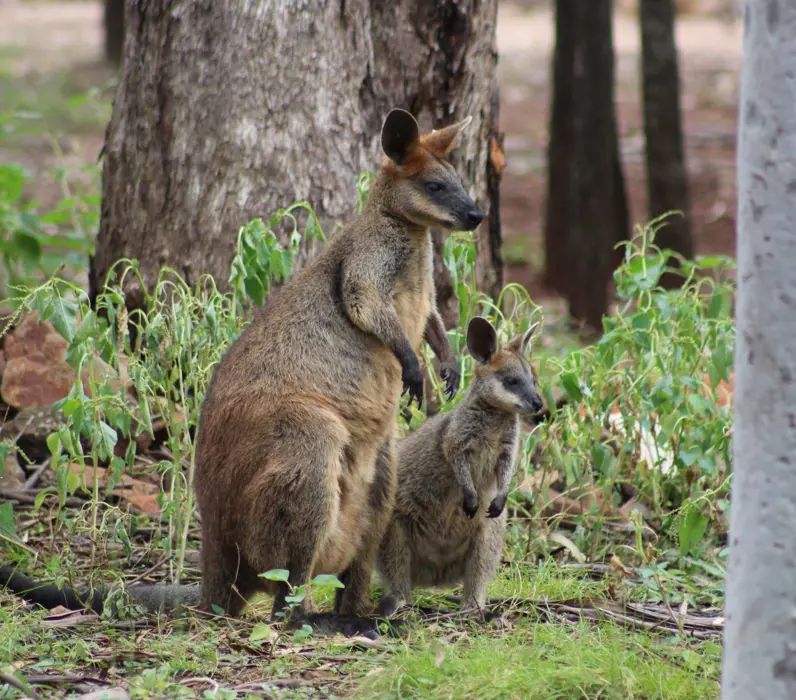
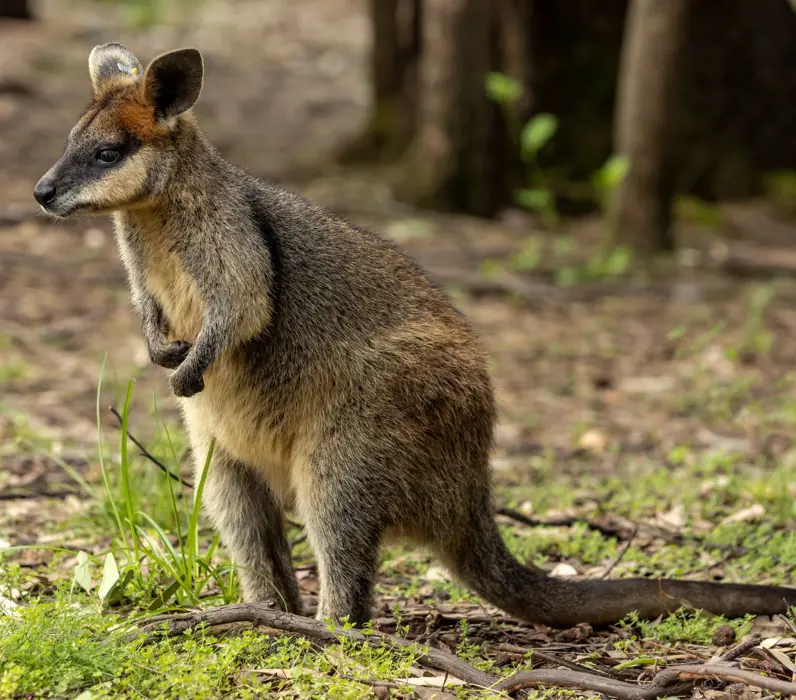
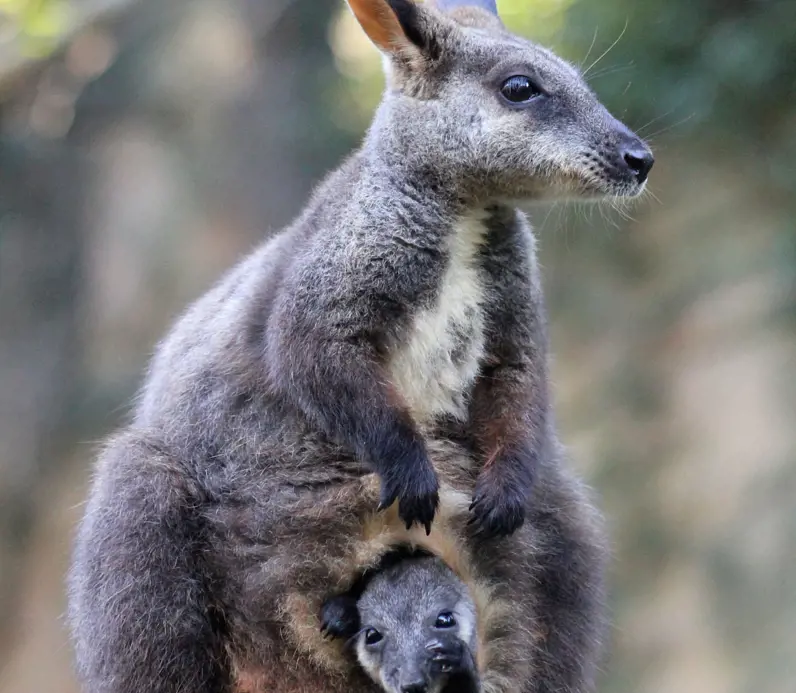
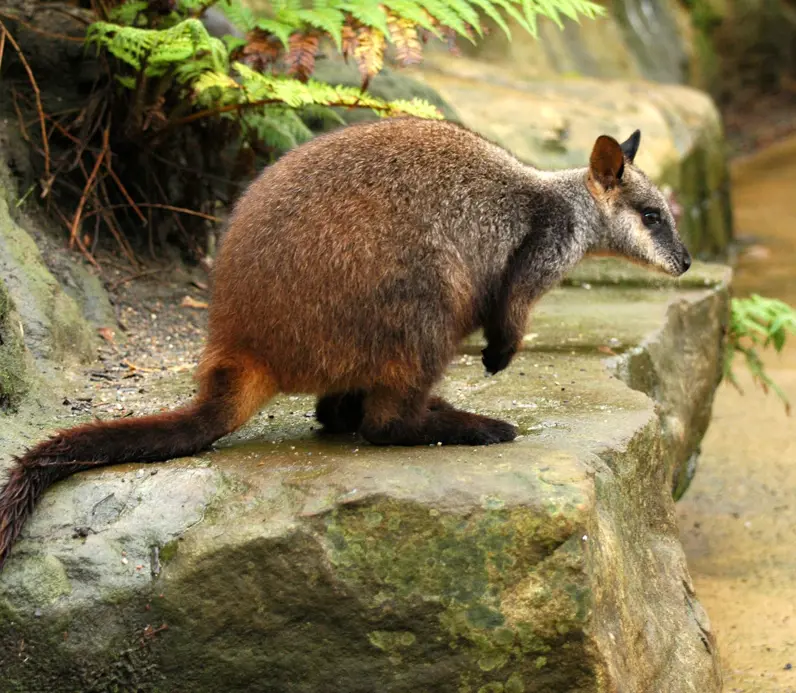
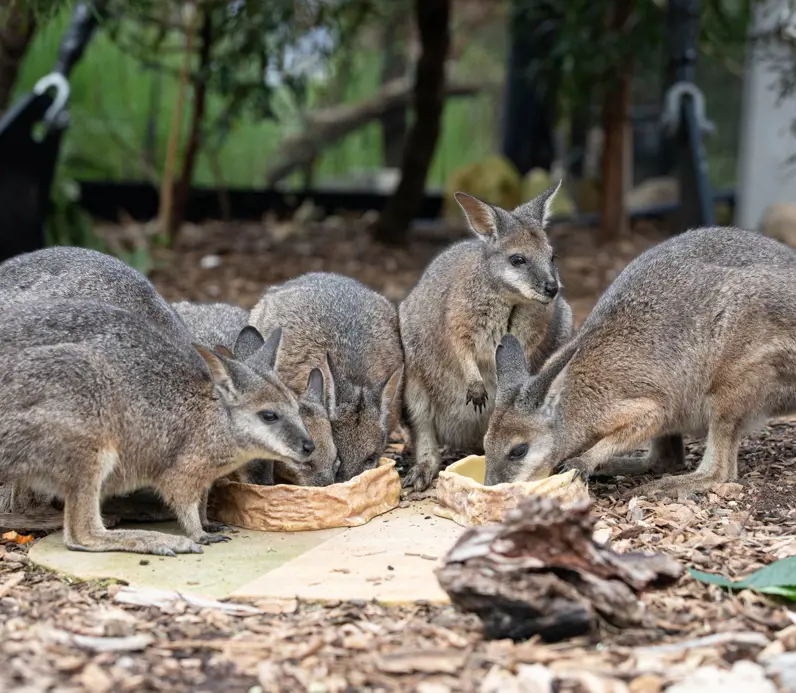
Brush-tailed Rock-wallabies (Wulaba in First Language) have a dark tail that are bushy on the end. They are very agile creatures and are comfortable in rocky, uneven environments.
Sydney
Visitor tips for Sydney
You can see Brush-tailed Rock Wallabies in the Blue Mountains Walk in Nura Diya.
Good times to visit
9:30am
Fun facts about Brush-tailed Rock Wallabies
Where they're found
Australia, along the Great Dividing Range.

15
They can live up to 15 years!
What they eat
They're herbivores – they munch on grasses, shrubs and fruits.
Where they live
Rocky hills, dry forests, and rainforests.

When they mate
They usually mate between 6 and 24 months.
Before they're born
Their gestation period is 1 month.
Where they're found
Australia, along the Great Dividing Range.
15
They can live up to 15 years!
What they eat
They're herbivores – they munch on grasses, shrubs and fruits.
Where they live
Rocky hills, dry forests, and rainforests.
When they mate
They usually mate between 6 and 24 months.
Before they're born
Their gestation period is 1 month.
Did you know?
We bet you didn't know these facts about these wonderful wallabies.

Tap the icons
Scroll across to reveal wallaby facts.
Cheeky streaks
Brush-tailed Rock Wallabies have a white streak along their cheeks under their eyes.
Rusty tones
Brush-tailed Rock-wallabies have a rufous or reddish tint, especially toward their tail.
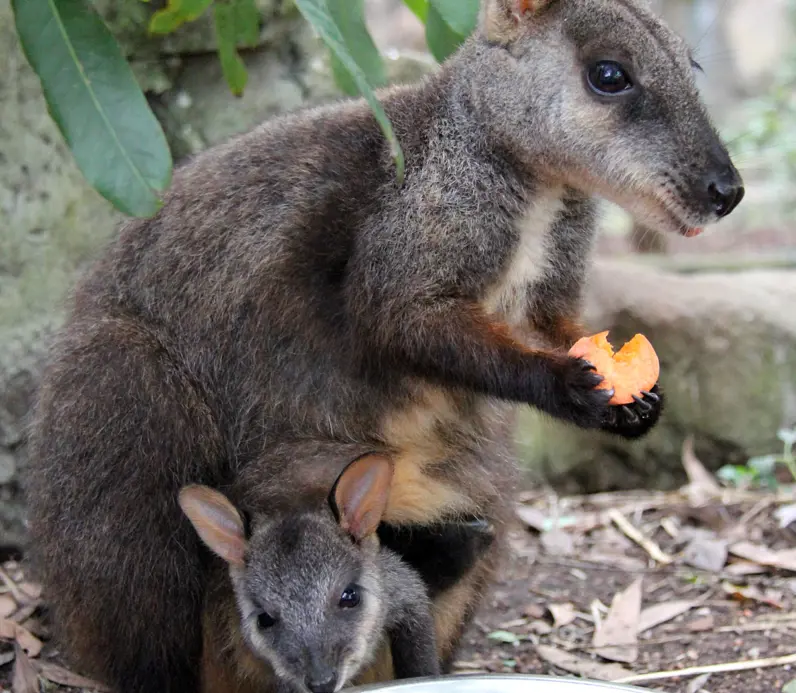
Sweet potato snack
Brush-tailed Rock-wallabies at Taronga snack on sweet potato.
What's in a name?
The name ‘wallaby’ means hopping macropod that is smaller than a kangaroo.
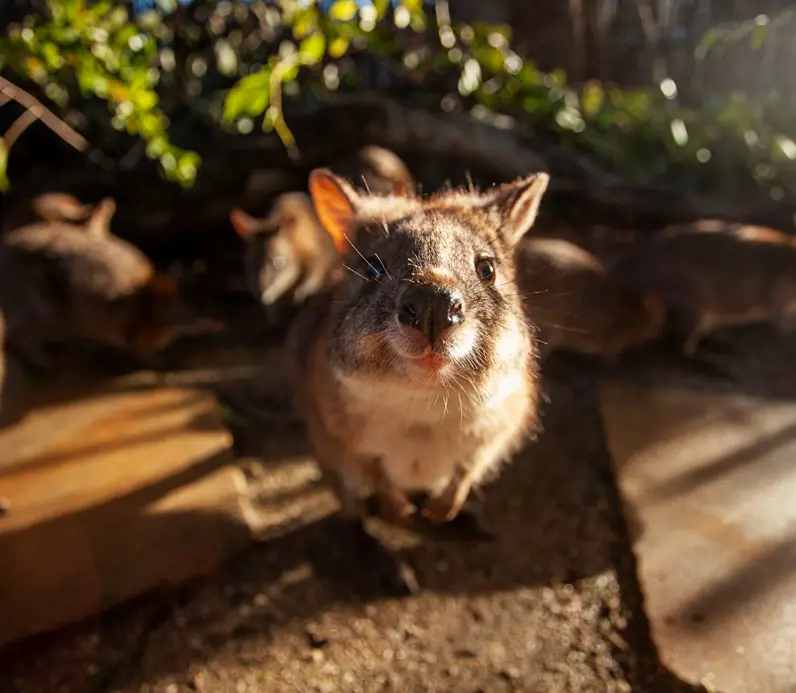
Wallabies all around
There are around 19 different species of Rock-wallaby.
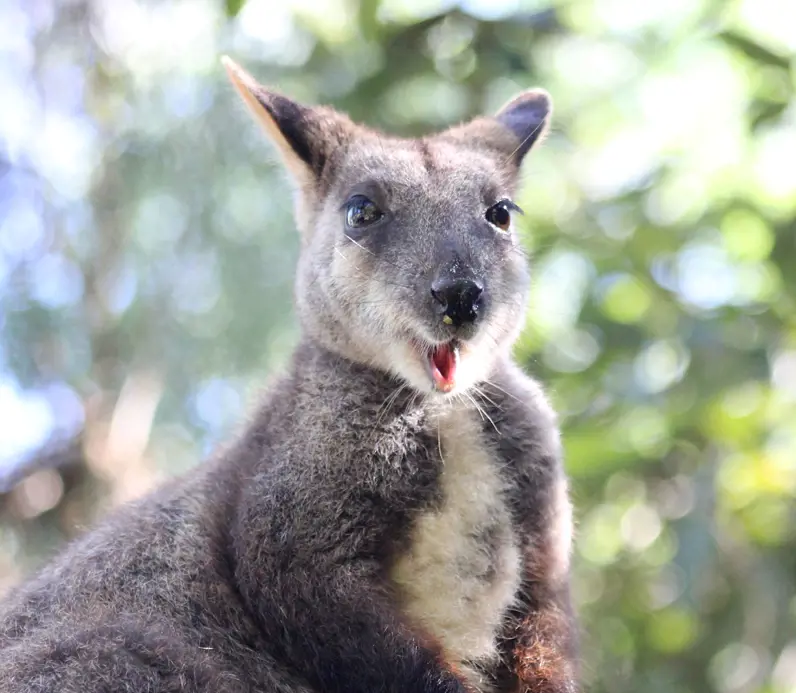
Wallaby mob
Like kangaroos, a group of wallabies is called a ‘mob’.
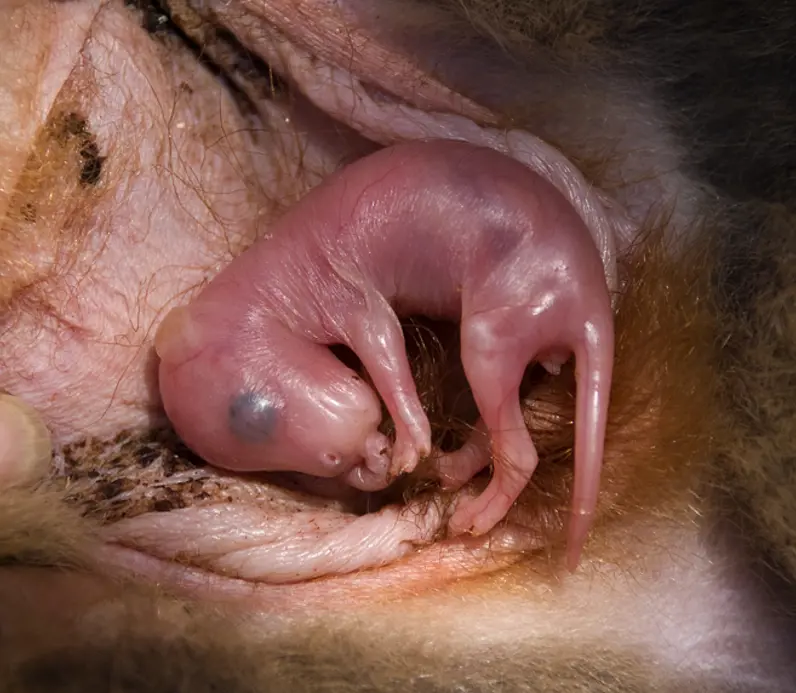
Jellybean baby
Joeys typically spend around 6-7 months developing inside the pouch and resemble a small, pink jellybean.
Species management programs
Taronga contributes to an Australasian Species Management Program and/or international breeding program for this species. This helps maintain healthy and resilient zoo-based animal populations by preserving genetic diversity, supporting animal husbandry knowledge, and ensuring exceptional animal welfare, safeguarding the species for the future.