Dingo
Scientific nameCanis lupus dingo
Conservation status (IUCN)
Unlisted
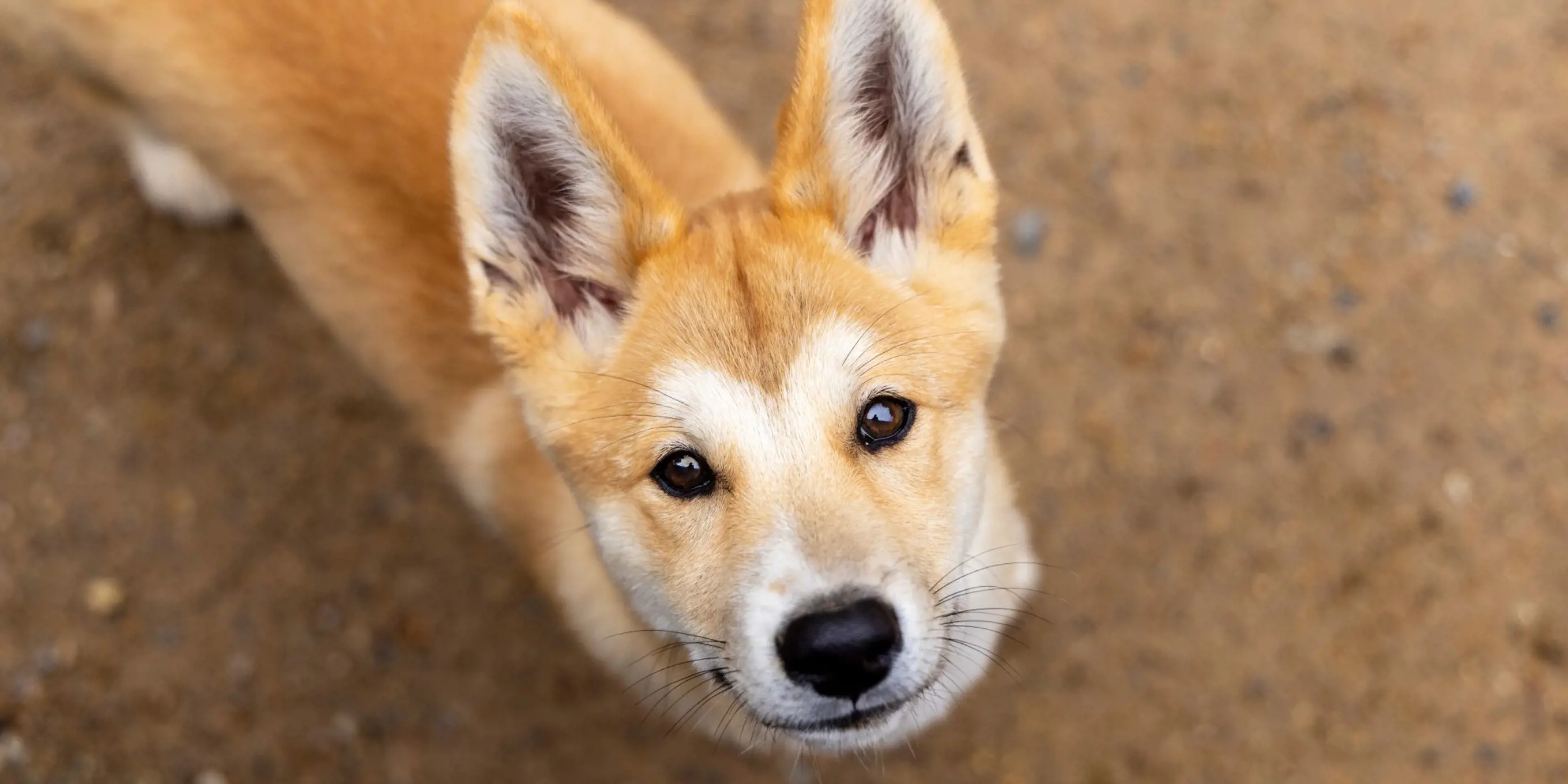
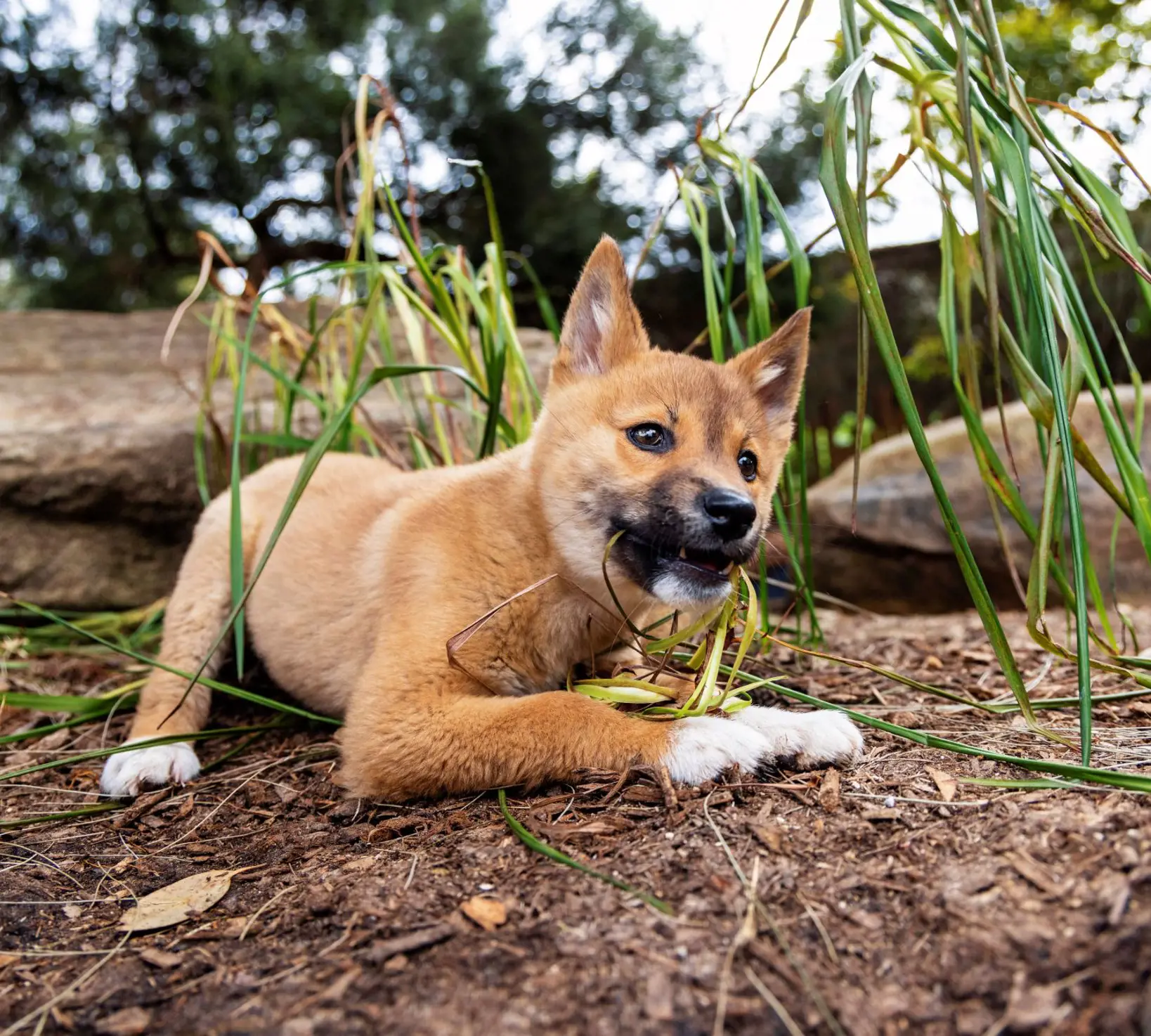
The Dingo (Wuragal in First Language) is a native canine that roams the mainland and keeps Australia’s ecosystems in balance but is under increasing threat from human impacts.
Sydney
Dubbo
Visitor tips for Sydney
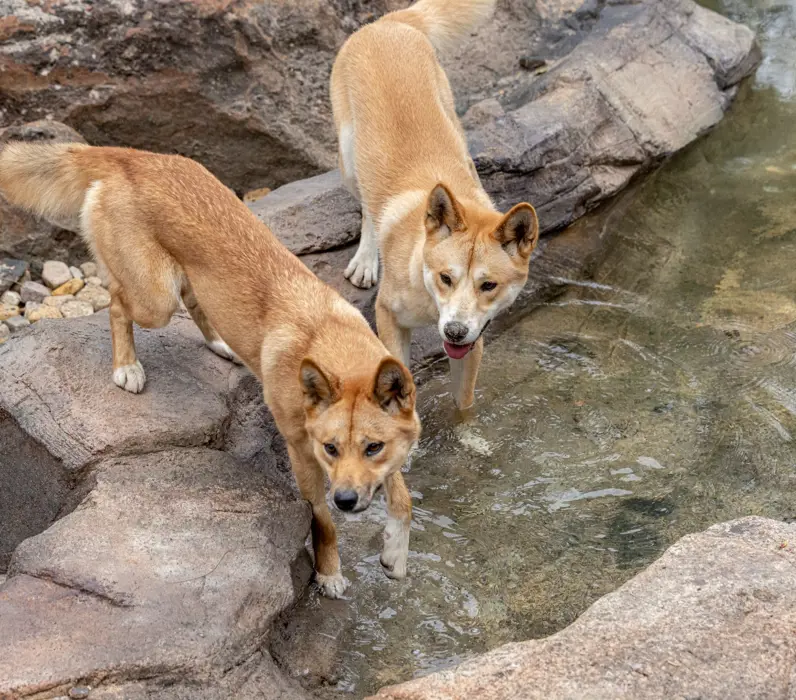
See our two Dingoes Warada and Kep Kep in Nura Diya.
Keeper Talk
1:00pm
Dingo Encounter
1:30pm
Good times to visit
9.30am
Fun facts about Dingos
Where they're found
Widespread across much of mainland Australia

10yrs
They can live between 7 and 10 years.
What they eat
Kangaroos, wallabies, rabbits, fish, possums, feral pigs

60cm
They're about 60cm tall, similar to a medium-sized dog.
Where they live
A wide range of habitat types, including desert, alpine, and coastal woodlands

21kgs
They can weigh between 12 and 21kgs.
Before they're born
Gestation is about 9 weeks.
Where they're found
Widespread across much of mainland Australia
10yrs
They can live between 7 and 10 years.
What they eat
Kangaroos, wallabies, rabbits, fish, possums, feral pigs
60cm
They're about 60cm tall, similar to a medium-sized dog.
Where they live
A wide range of habitat types, including desert, alpine, and coastal woodlands
21kgs
They can weigh between 12 and 21kgs.
Before they're born
Gestation is about 9 weeks.
Did you know?
We bet you didn't know these facts about these curious canines.

Tap the icons
Scroll across to reveal Dingo facts.
Aussie apex
The dingo is Australia’s largest terrestrial carnivore and an apex predator.
Ecosystem heroes
Dingoes are important to the ecosystem because they manage large herbivore populations.
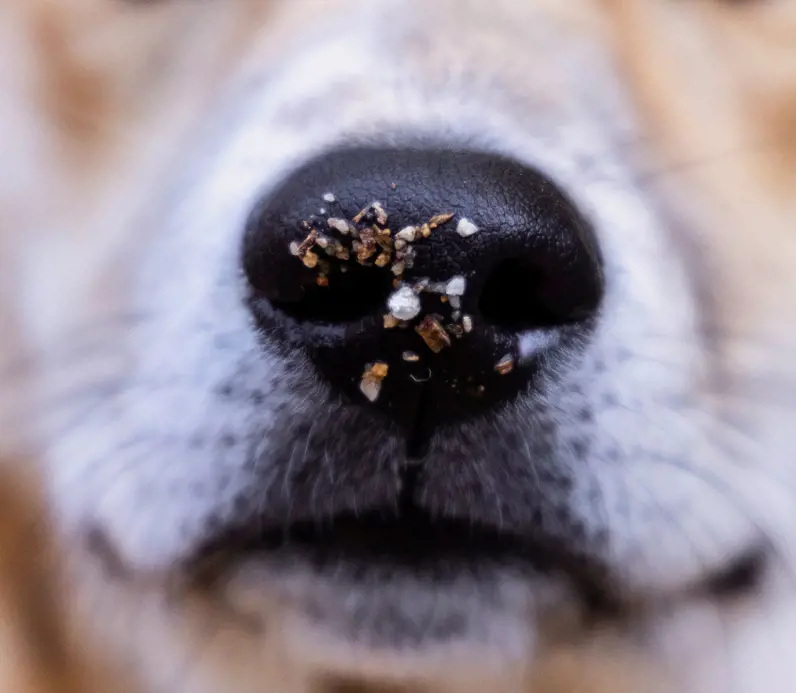
Life near the water
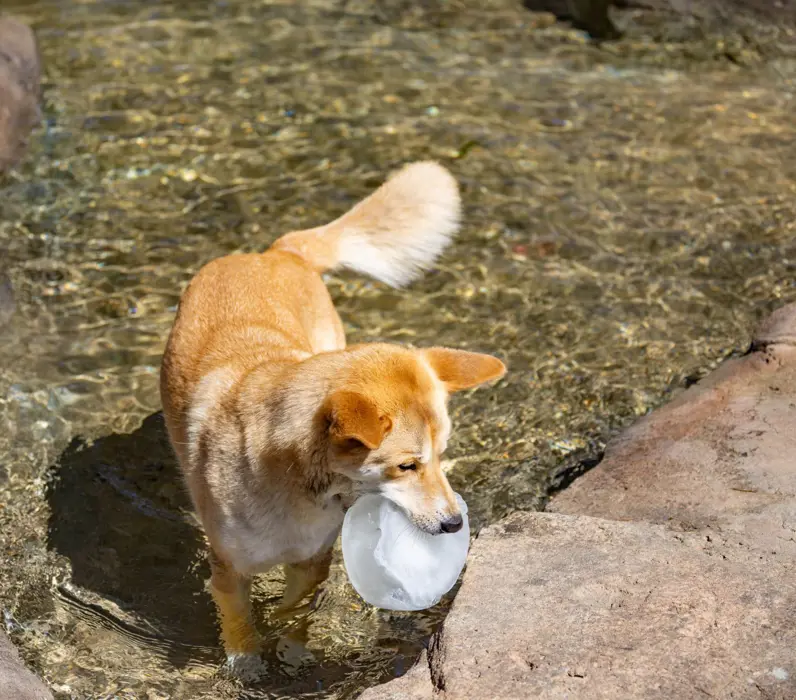
Dingoes can be found near water in some coastal areas. When near the coast, fish make up a large part of their diet.
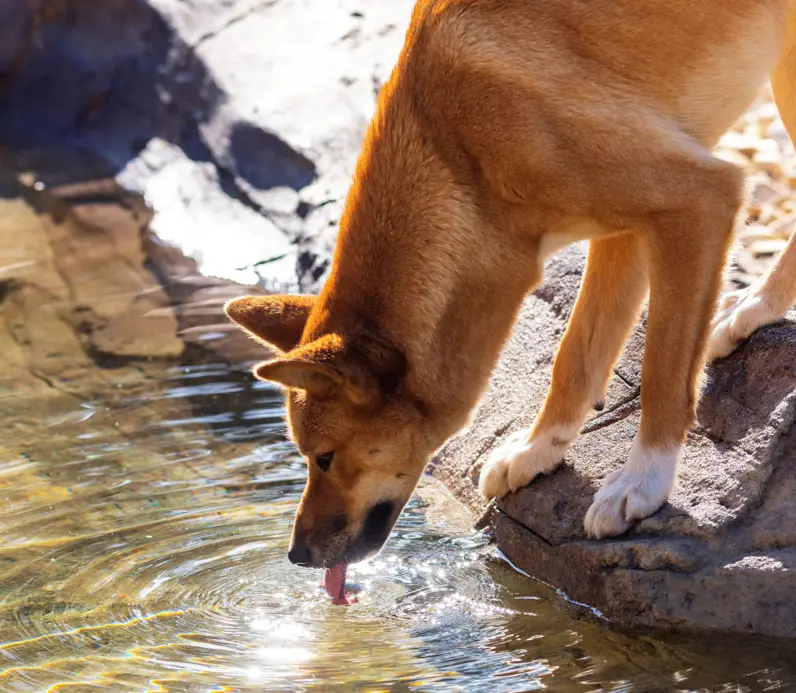
Howling Dingoes
Dingoes rarely bark! They often howl to communicate.
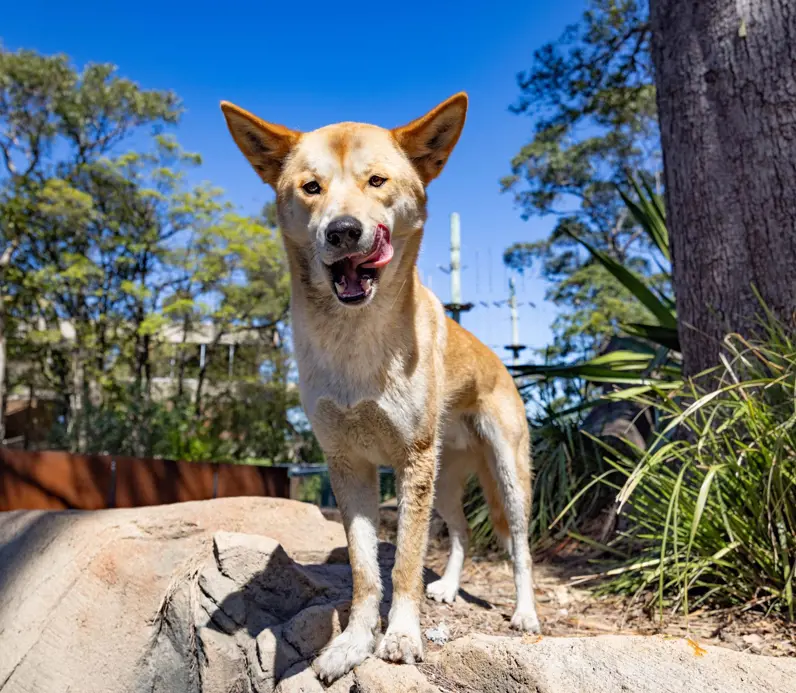
Colours of a Dingo
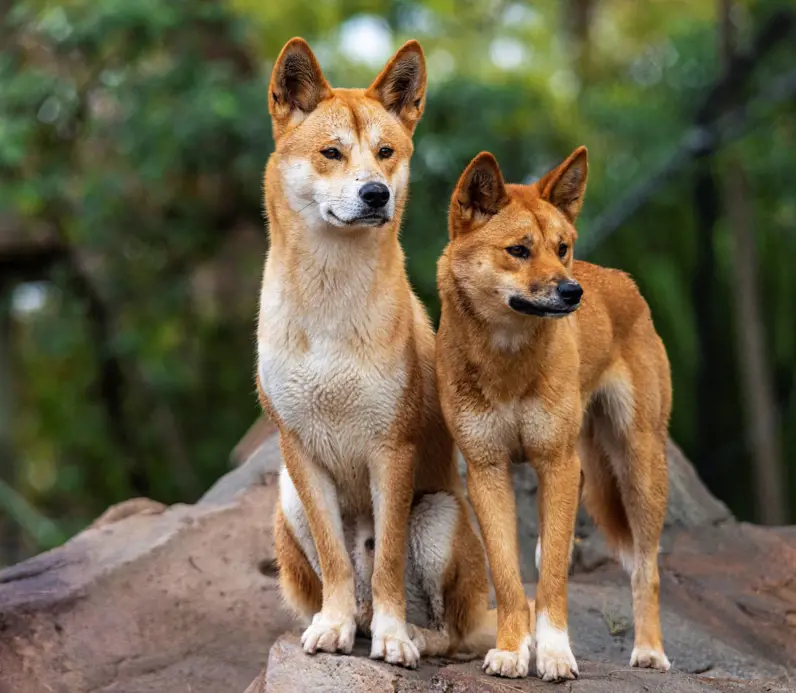
Dingoes often have white feet and tail tips, but can be a variety of colours.
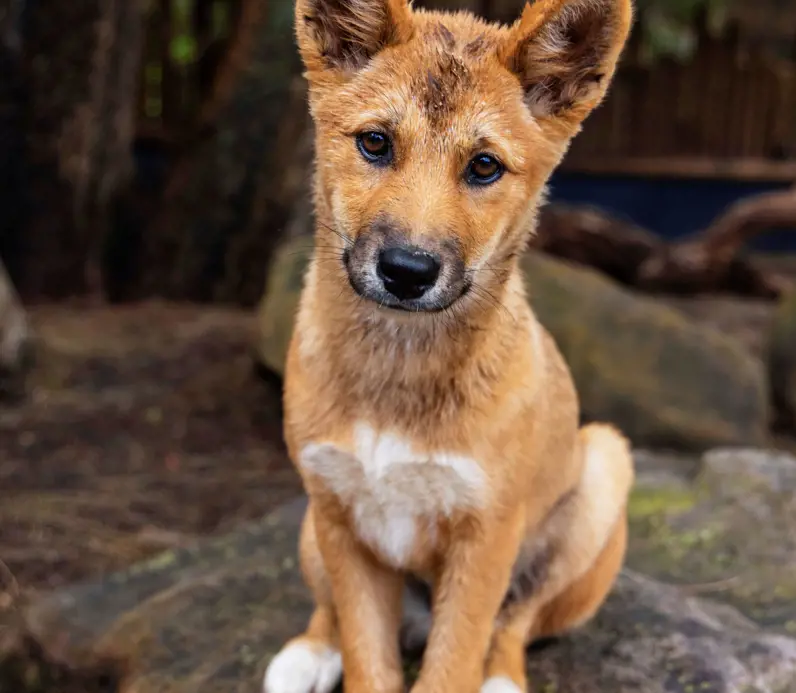
Wild pups
A dingo infant is called a ‘pup’.
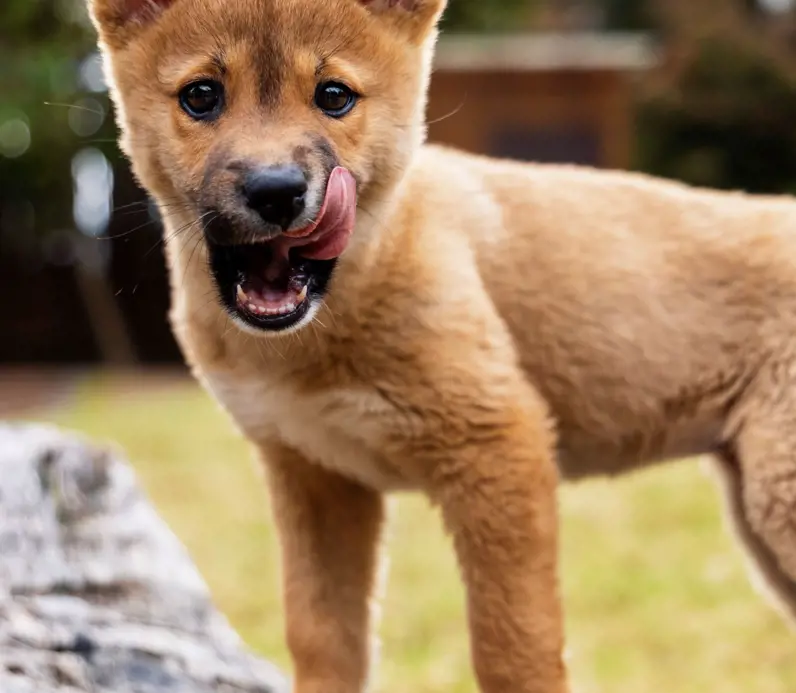
Agile hunters
Dingoes have larger teeth, longer muzzles and are more agile and flexible than domestic dogs, making them better at hunting.
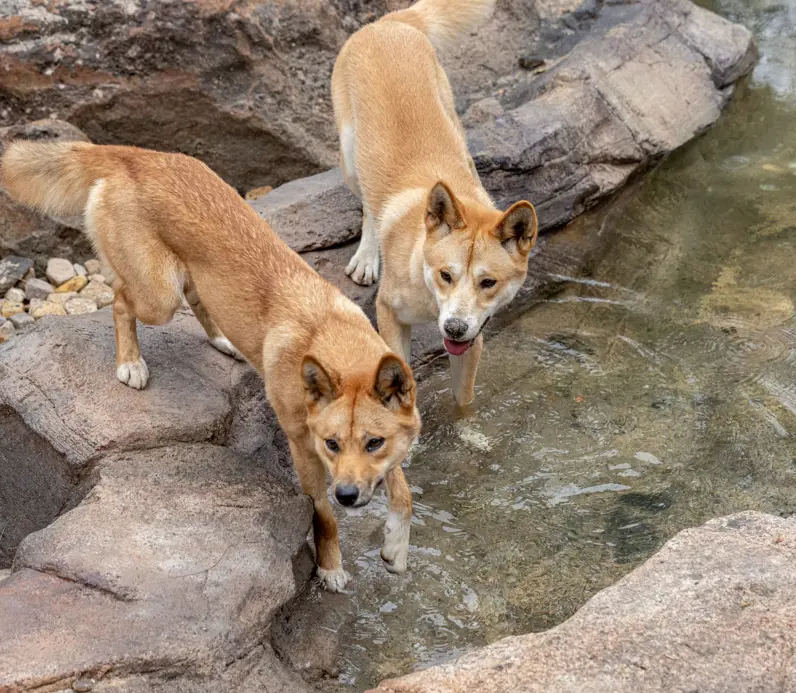
Dingo deep dive
Conservation status (IUCN)
Unlisted
Saving the Dingo
Taronga recognises the cultural and ecological significance of the dingo throughout Australia and is committed to conserving wild populations. Scientists from Taronga, UNSW’s Centre for Ecosystem Science, and NSW National Parks and Wildlife are studying dingoes in the Myall Lakes region to better understand wild behaviour and how to manage their populations to reduce human-wildlife conflict. If you live or holiday in an area with dingoes, you can help by keeping your distance, not feeding dingoes, and keeping food and waste secure.
Learn more about the Myall Lakes Dingo Project and report dingo sightings.
Learn more about the Myall Lakes Dingo Project and report dingo sightings.