

Greater One-horned Rhino
Scientific nameRhinoceros unicornis
Conservation status (IUCN)
Vulnerable
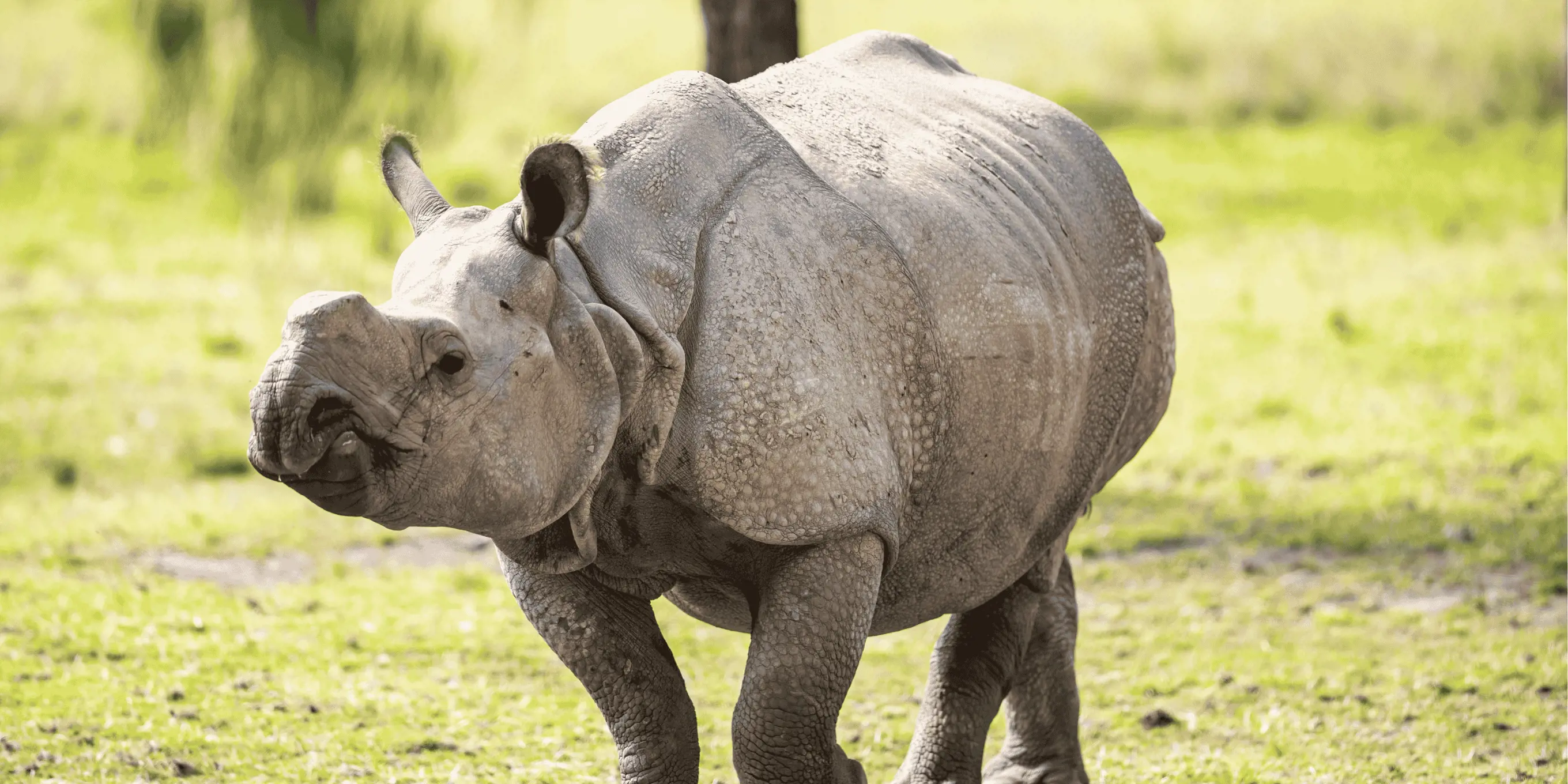
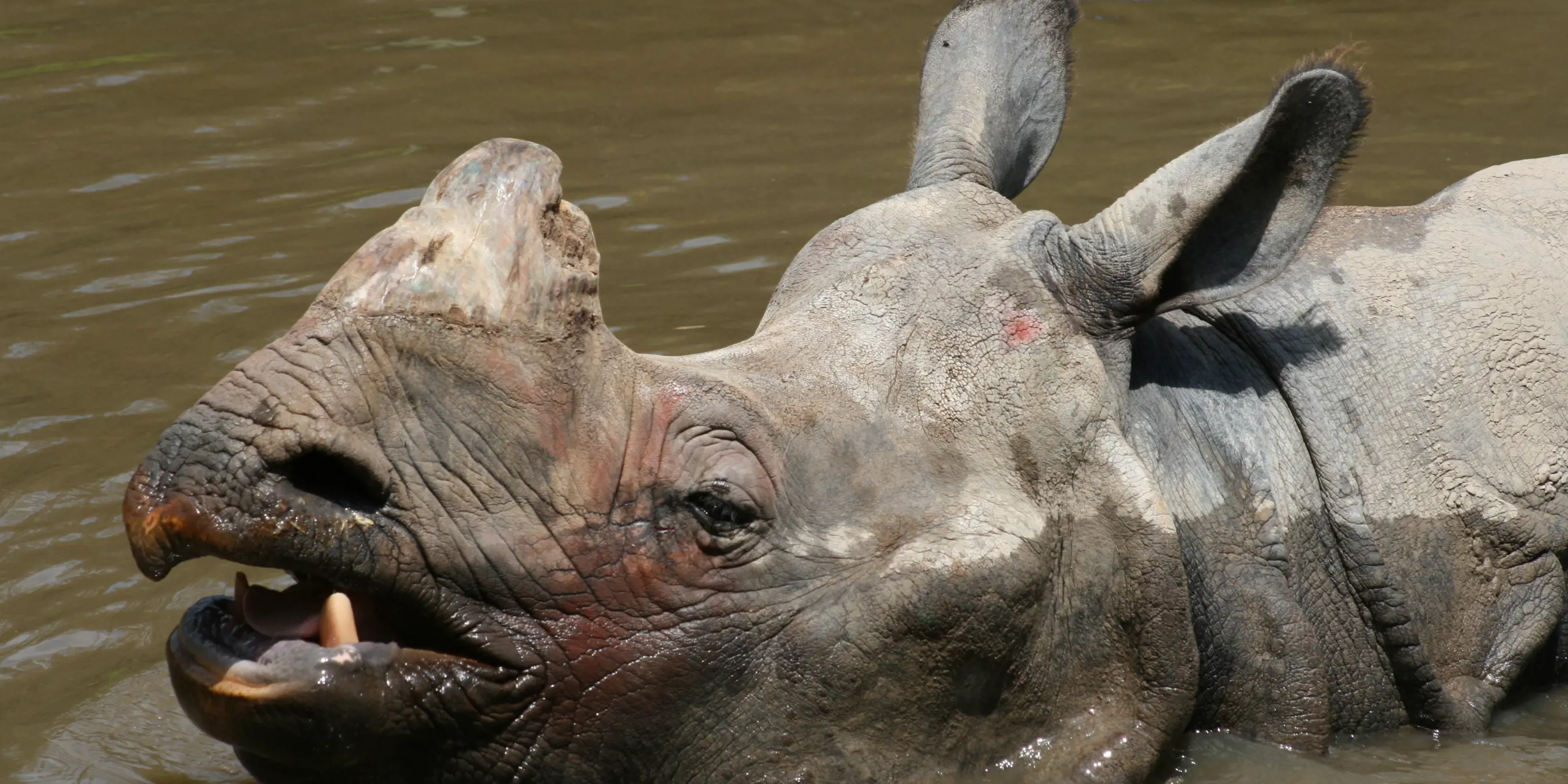
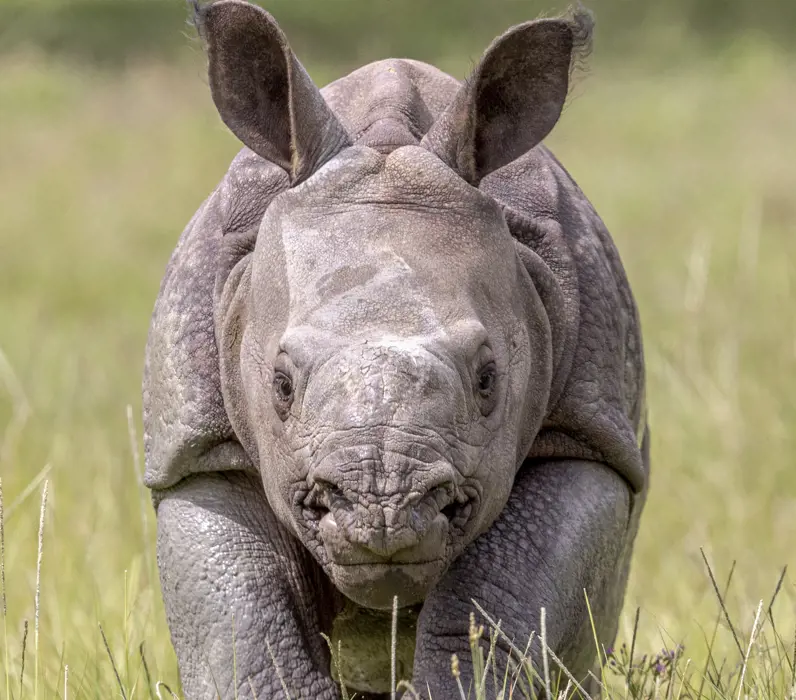
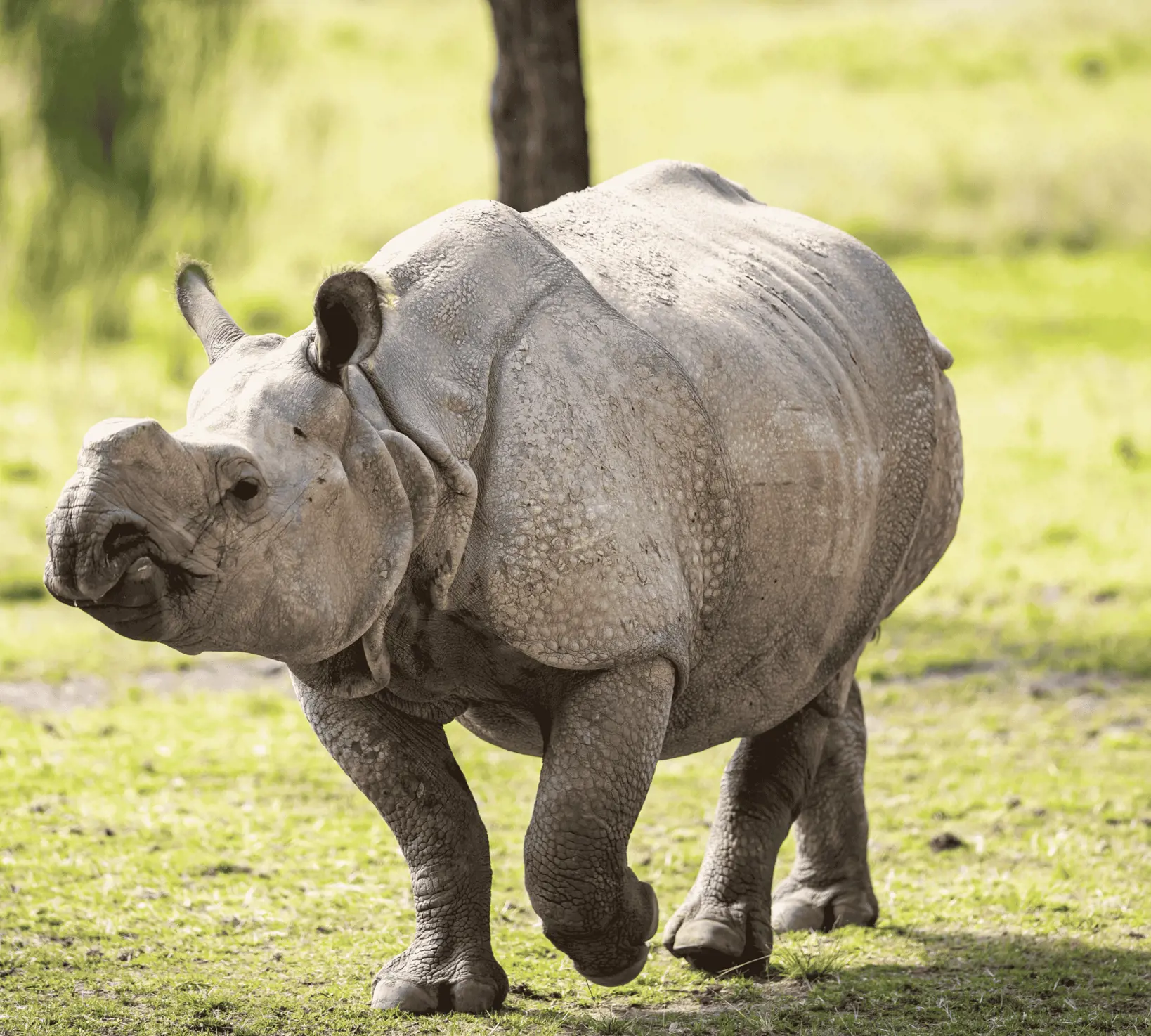
The Greater One-horned Rhinoceros, or Indian Rhino, is a gentle giant that grazes on grasses in the wetlands of the Himalayan foothills. These real-life unicorns were hunted to the brink of extinction but are now recovering through conservation action.
Sydney
Dubbo
Visitor tips for Sydney
Hari, the Greater One-horned Rhino can be seen in Palm Plaza at the start of the Rainforest Trail.
1:30pm
Keeper Talk
Fun facts about Greater One-horned Rhinos

50yrs
Greater One-horned Rhinos can live between 40-50 yrs.
Rivers, grasslands and wetlands
are the habitat of the Greater One-horned Rhino.

1800-2700kg
is how much a Greater One‑horned Rhino can weigh.
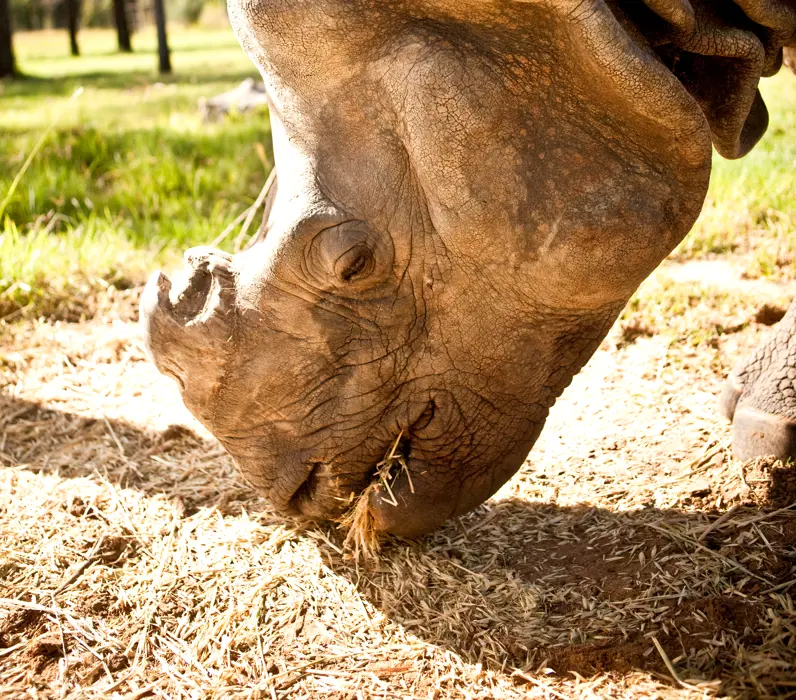
Herbivores
Greater One-horned Rhinos eat grasses, leaves and aquatic plants.
Northern India and Nepal
is where Greater One-horned Rhinos are found.
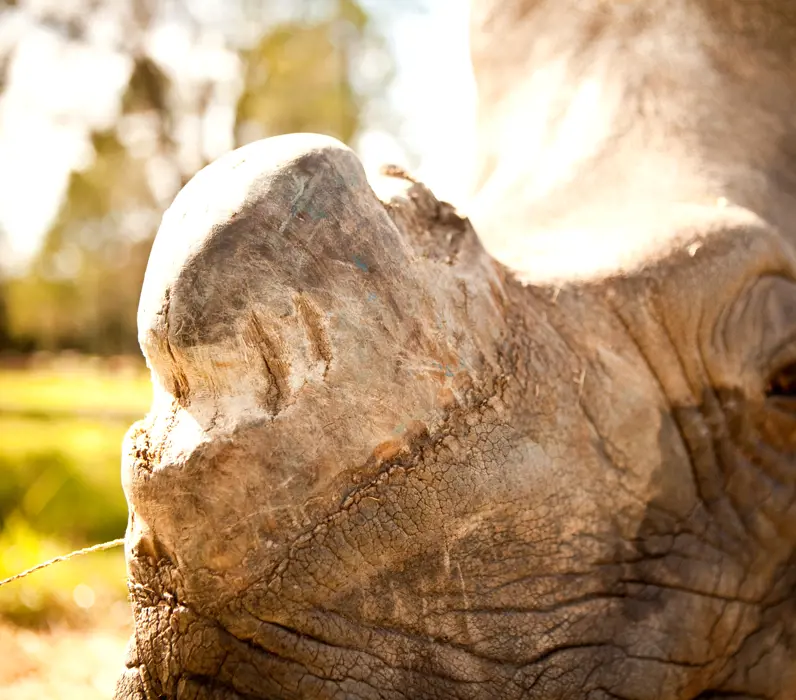
20-60cm
is the length of the Greater One-horned Rhino horn.

1.75-2m tall and 3-3.8m long
the size an adult Greater one‑horned rhino can reach
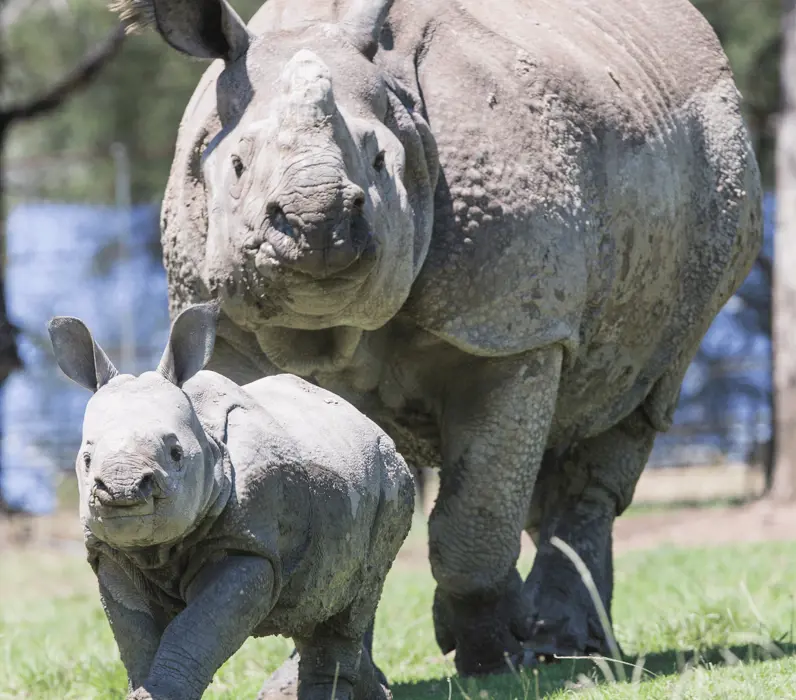
5-7 yrs
is when sexual maturity begins in females, while males start at around 10 yrs.
50yrs
Greater One-horned Rhinos can live between 40-50 yrs.
Rivers, grasslands and wetlands
are the habitat of the Greater One-horned Rhino.
1800-2700kg
is how much a Greater One‑horned Rhino can weigh.
Herbivores
Greater One-horned Rhinos eat grasses, leaves and aquatic plants.
Northern India and Nepal
is where Greater One-horned Rhinos are found.
20-60cm
is the length of the Greater One-horned Rhino horn.
1.75-2m tall and 3-3.8m long
the size an adult Greater one‑horned rhino can reach
5-7 yrs
is when sexual maturity begins in females, while males start at around 10 yrs.
Did you know?
We bet you didn't know these facts about these radical rhinos.

Tap the icons
Scroll across to reveal Greater One-horned Rhinos facts.
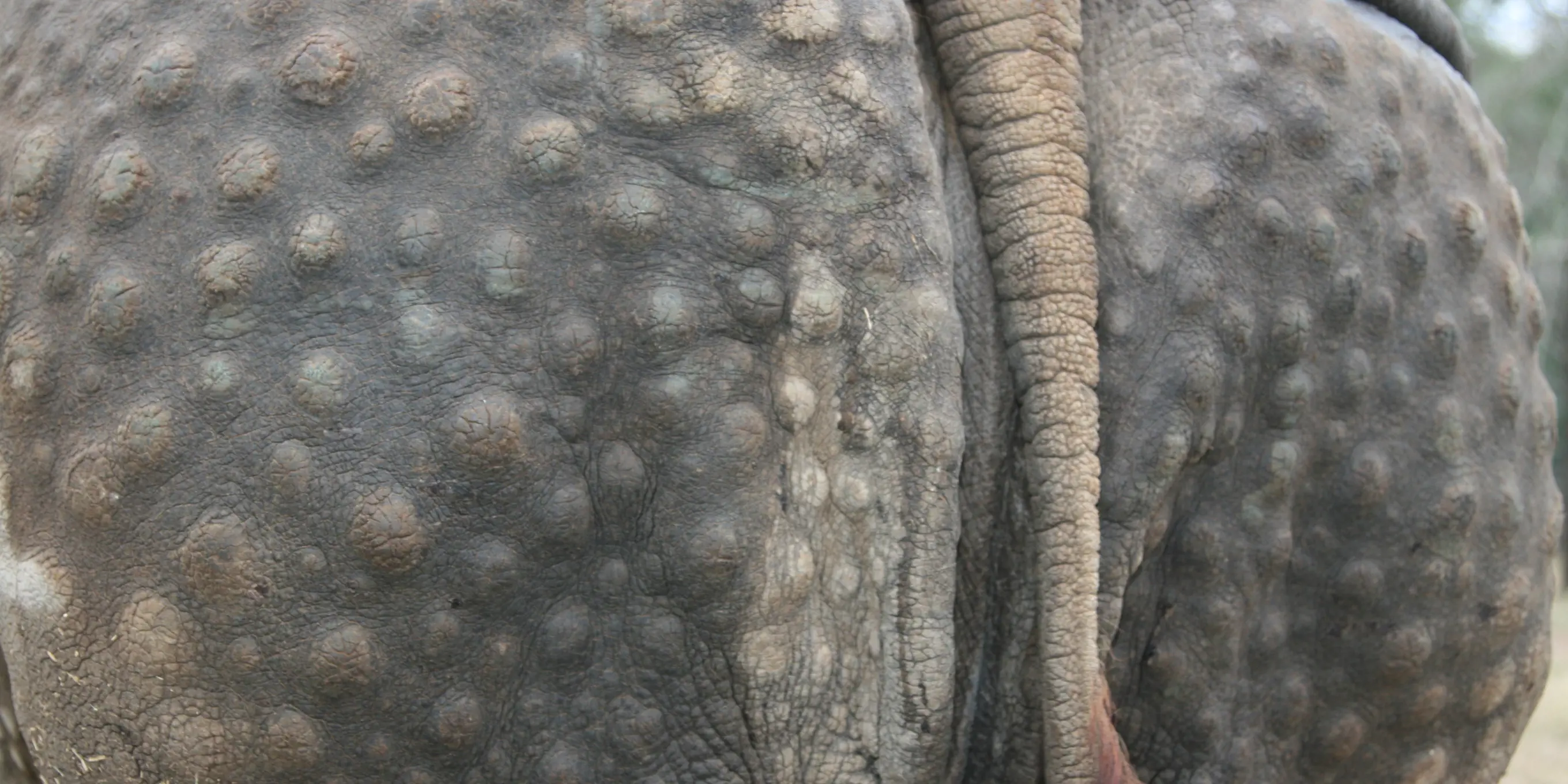
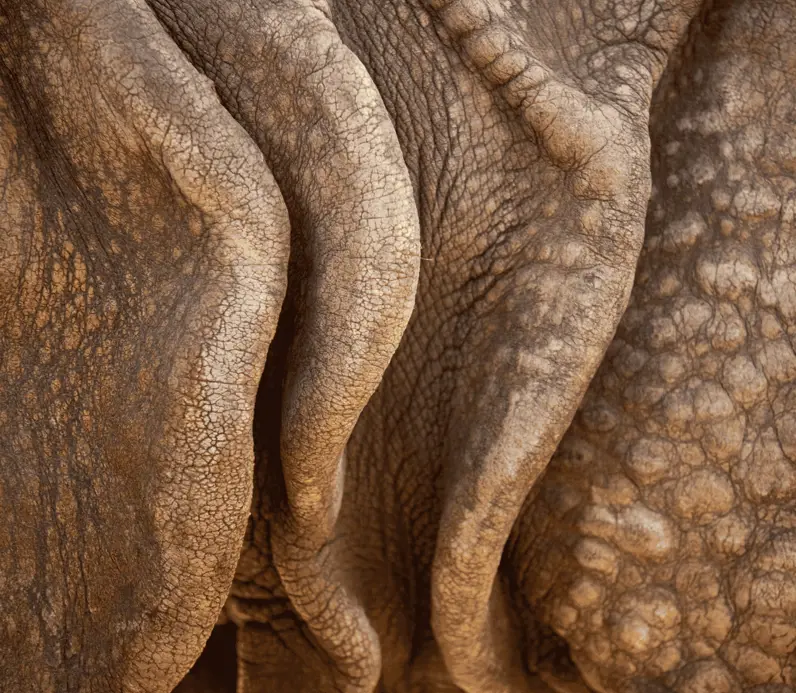
Skin folds
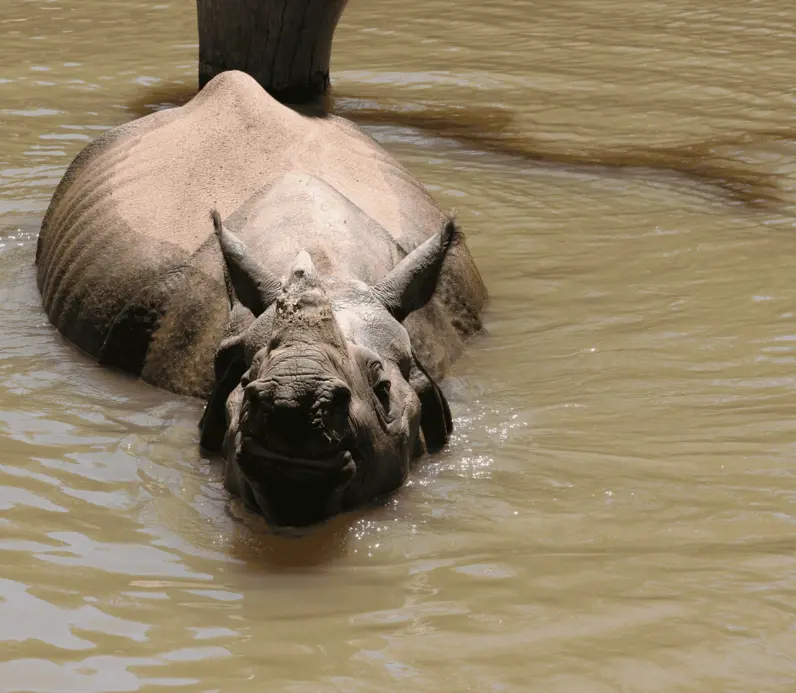
Their many skin folds help them to stay cool during Summer.
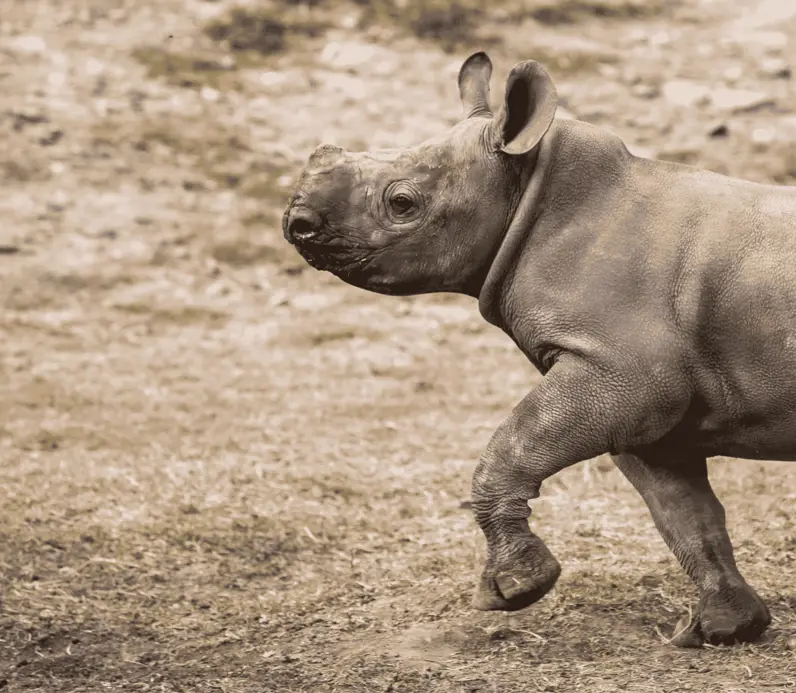
Small but mighty
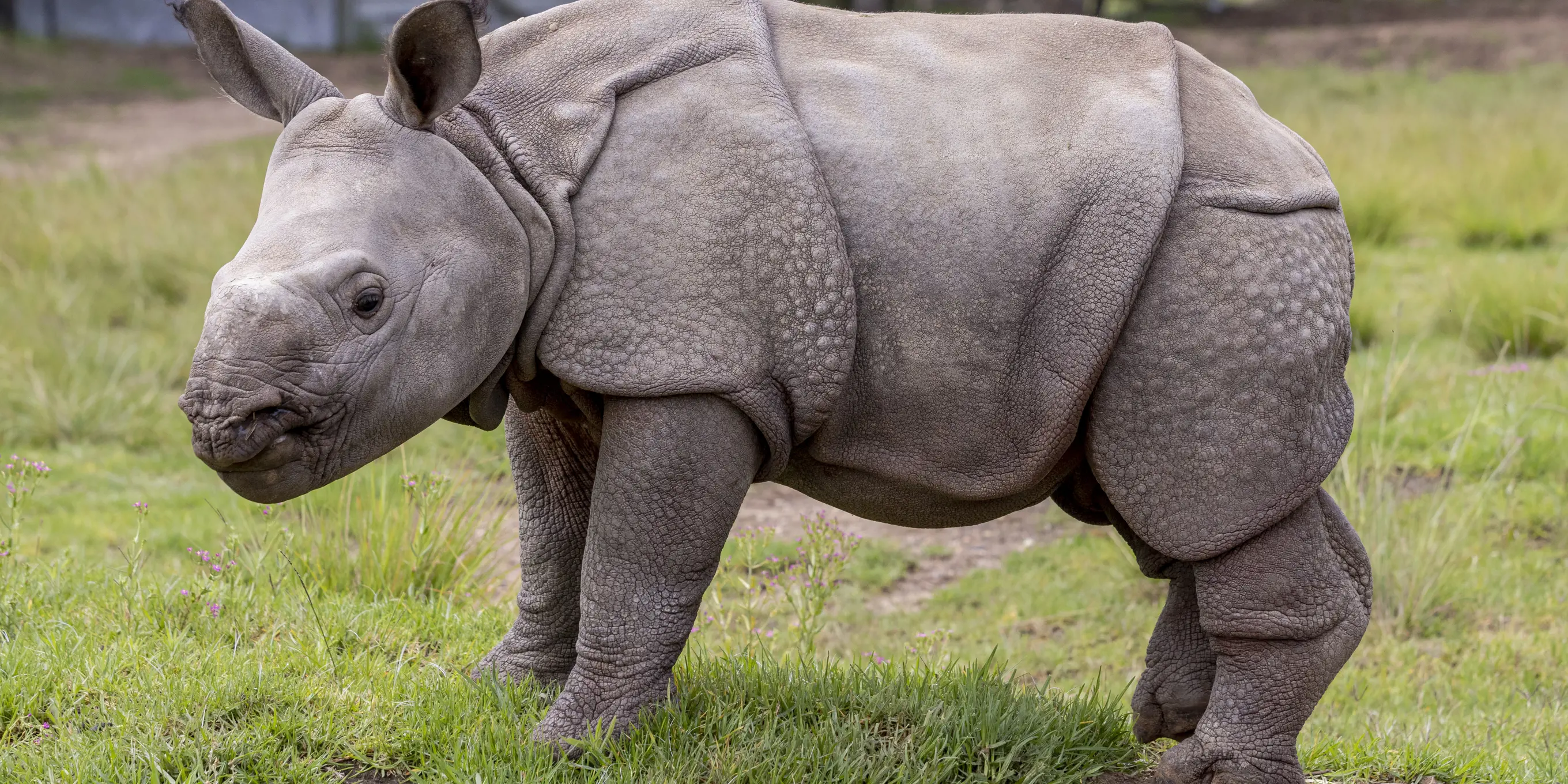
Calves are born weighing just 40-65kg.
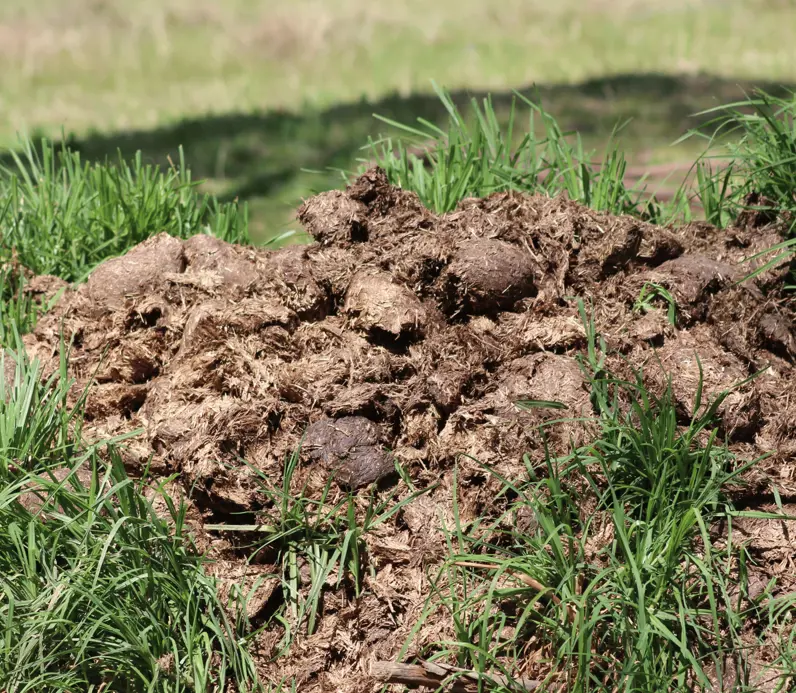
Purposeful poo
Rhino poo is important for the ecosystem, spreading seeds and attracting animals like deer and monkeys that eat seedlings, mushrooms and insects off the dung.
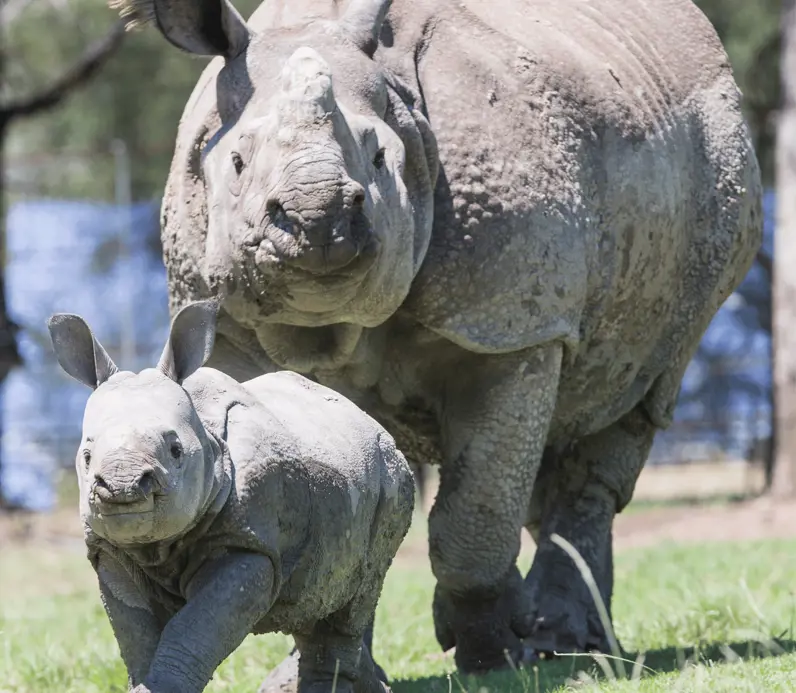
By mum's side
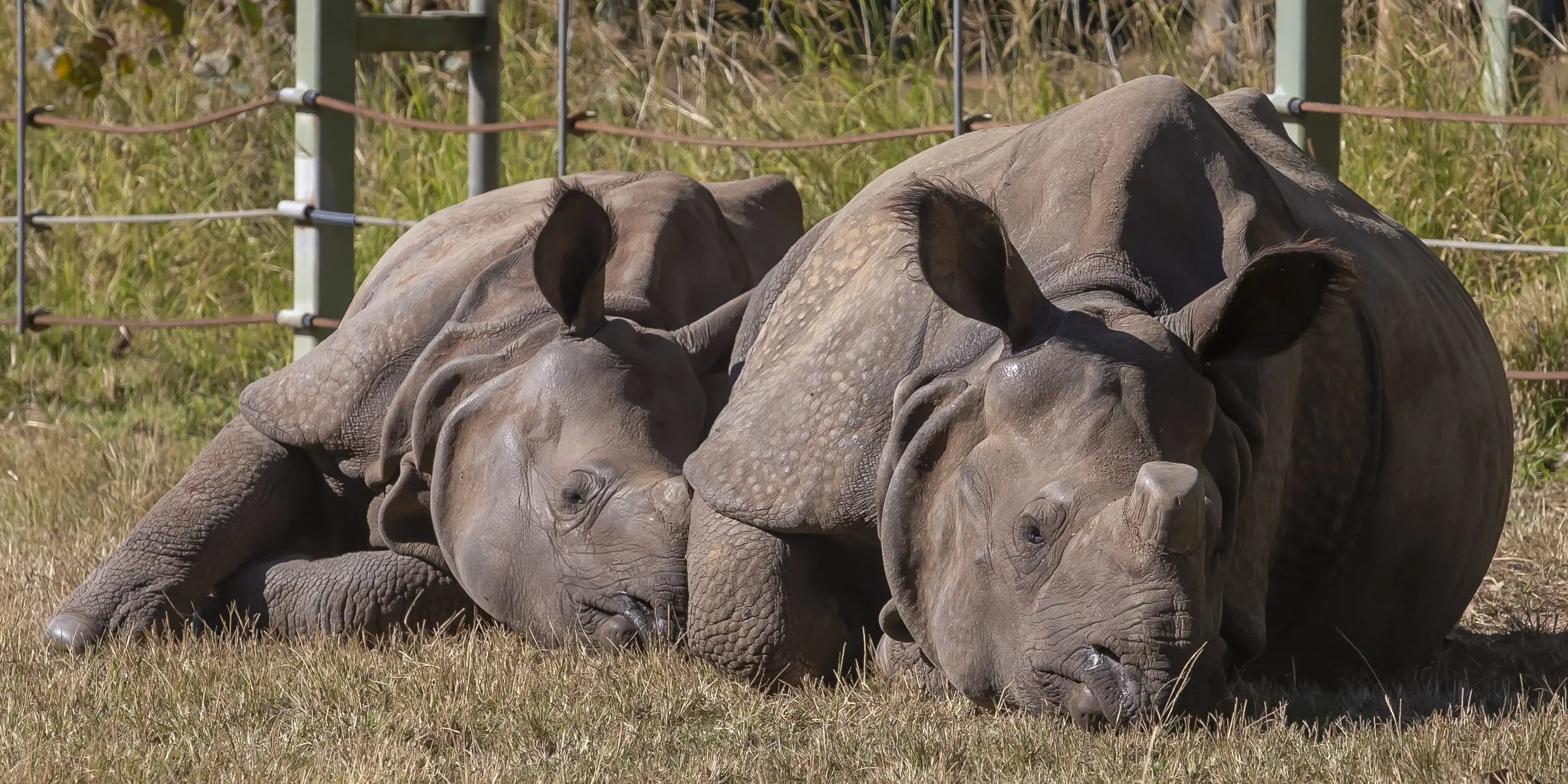
Calves remain with their mothers for up to four years.
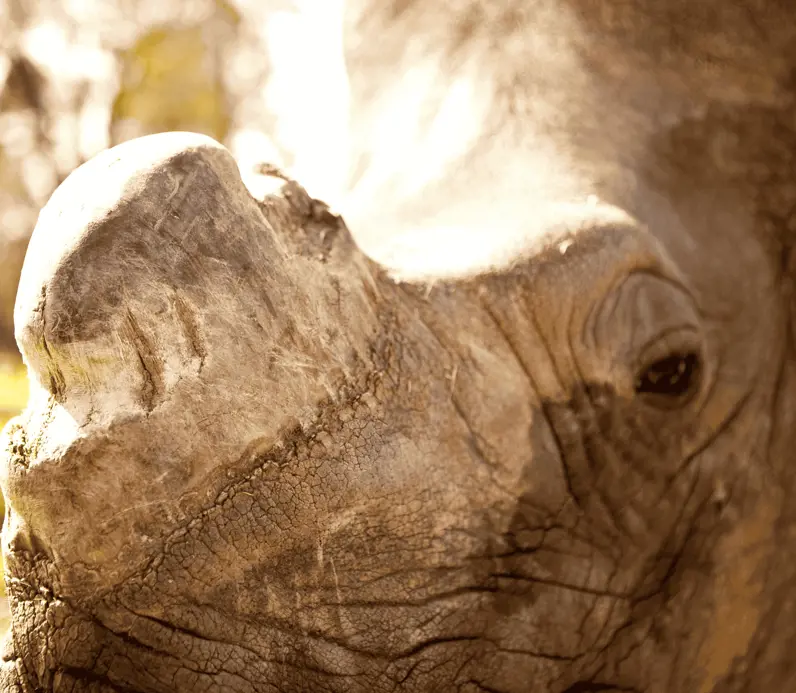
A single horn
The Greater One-horned and Javan Rhinos are the only species with a single horn. The other three rhino species each have two horns.
Semi-aquatic
These rhinos are semi-aquatic, spending around 60% of their day in water. This helps them stay cool and feed on aquatic plants.
Species management programs
Taronga contributes to an Australasian Species Management Program and/or international breeding program for this species. This helps maintain healthy and resilient zoo-based animal populations by preserving genetic diversity, supporting animal husbandry knowledge, and ensuring exceptional animal welfare, safeguarding the species for the future.
Conservation status (IUCN)
Vulnerable
Great Rhino recovery
The Greater One-horned Rhino was pushed to the brink of extinction due to sport hunting and later poaching for traditional medicine over the past two centuries. Wild populations reached as low as 200 rhinos in the mid-20th Century. Conservation efforts including anti-poaching measures and habitat restoration have seen populations recover to over 4000, with numbers continuing to rise. The threat of poaching as well as competition with livestock for resources and loss of habitat still threaten this species, however their recovery is cause for optimism.
Despite living in one of the most densely populated areas for humans, this species is now given the opportunity to coexist alongside people. Their recovery gives hope for the survival for other rhinos and threatened species around the world. Their future survival, though hopeful, is far from certain with ongoing conservation and protection measures required to help restore the species to historic population levels.
Despite living in one of the most densely populated areas for humans, this species is now given the opportunity to coexist alongside people. Their recovery gives hope for the survival for other rhinos and threatened species around the world. Their future survival, though hopeful, is far from certain with ongoing conservation and protection measures required to help restore the species to historic population levels.
Greater One-horned Rhino revealed
Fact sheets for kids
Discover educational resources for kindergarten to year 6.
Conservation partners
Taronga actively supports conservation efforts for wild rhinos in Africa, Indonesia, and India, in partnership with the International Rhino Foundation for anti-poaching and wildlife protection units, habitat protection and restoration, and expertise in veterinary care and reproduction to ensure all rhino species continue to survive in the wild.