

Australian Sea-lion
Scientific nameNeophoca cinerea
Conservation status (IUCN)
Endangered
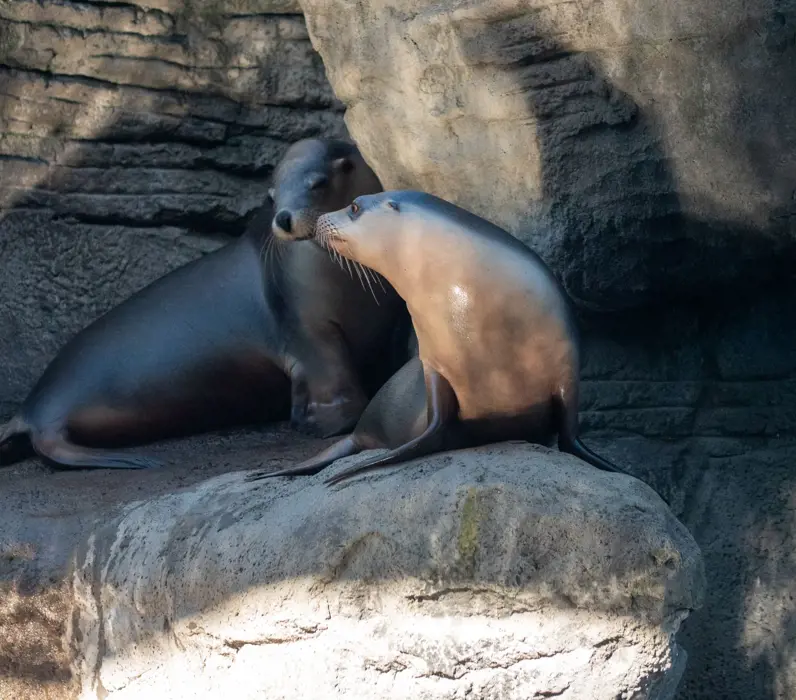
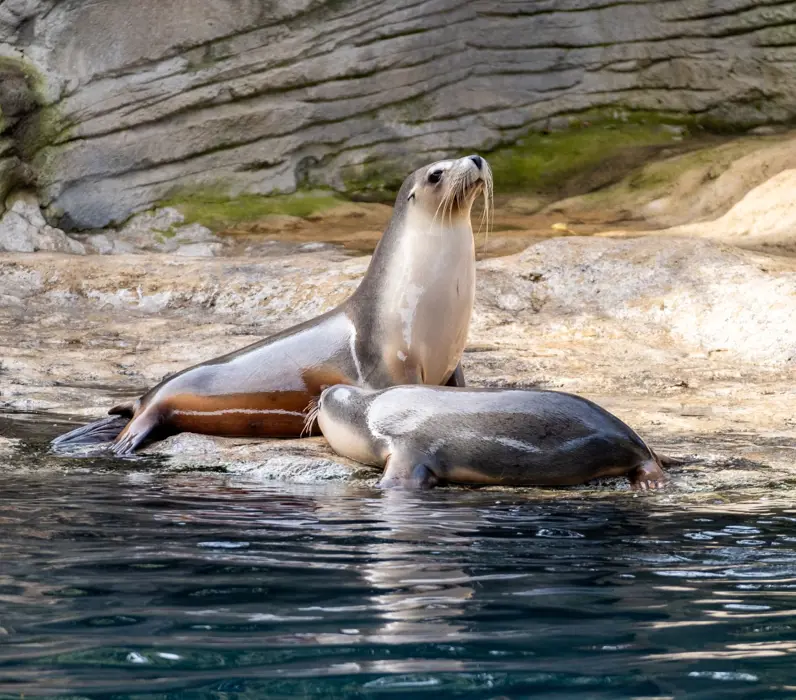
Australian Sea Lions are the only seal species endemic to Australia. They have a bellowing roar and a bold yellow mane made of long thick hairs. It is easy to see why this semi-aquatic predator got its name!
Sydney
Visitor tips for Sydney
You can find our seals at Great Southern Oceans. Keep an eye out at Seal Cove any time during the day to spot these magnificant seals.
Seals for the Wild Presentation
11:00am and 2:00pm
Fun facts about the Australian Sea-lion
Where they live
Sandy beaches and sheltered bays, harbors and reefs

25yrs
They can live from 20-25 years
What they eat
They're carnivores! They are 'benthic foragers' that eat fish, octopus, squid, and crustaceans that are often found in rocks, sand or mud in the water.
Where they're found
South-western coast of mainland Australia and offshore islands

2.5m
They can grow really big! Males can be from 2-2.5m, and females from 1.3-1.8m.

300kg
They're heavy! Males can weigh 250-300kg, and females can be 70-100kg.

Mating
They have an 'asynchronous' breeding cycle reproductive cycle, meaning they breed once every 18-months. This is highly unusual in the animal kingdom as it does not follow the seasons.
Before they're born
Their gestation is up to 18 months, the longest of any marine mammal, and second only to elephants!

12,000
Just 10-12,000 Australian Sea-lions remain in the wild.
A male is called...
a bull.
Holy cow!
A female sea-lion is called a cow.
Where they live
Sandy beaches and sheltered bays, harbors and reefs
25yrs
They can live from 20-25 years
What they eat
They're carnivores! They are 'benthic foragers' that eat fish, octopus, squid, and crustaceans that are often found in rocks, sand or mud in the water.
Where they're found
South-western coast of mainland Australia and offshore islands
2.5m
They can grow really big! Males can be from 2-2.5m, and females from 1.3-1.8m.
300kg
They're heavy! Males can weigh 250-300kg, and females can be 70-100kg.
Mating
They have an 'asynchronous' breeding cycle reproductive cycle, meaning they breed once every 18-months. This is highly unusual in the animal kingdom as it does not follow the seasons.
Before they're born
Their gestation is up to 18 months, the longest of any marine mammal, and second only to elephants!
12,000
Just 10-12,000 Australian Sea-lions remain in the wild.
A male is called...
a bull.
Holy cow!
A female sea-lion is called a cow.
Did you know?
We bet you didn't know these facts about these seriously cool seals!

Tap the icons
Scroll across to reveal Australian Sea-lion facts.
Not a fish
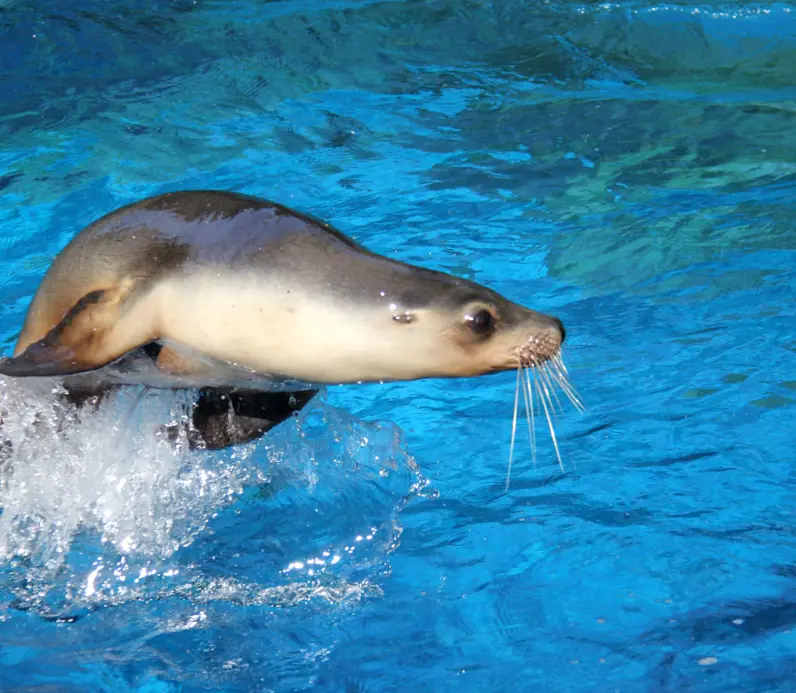
Seals are not fish, they are marine mammals from the in the Carnivora order, related to dogs, bears and mustelids.
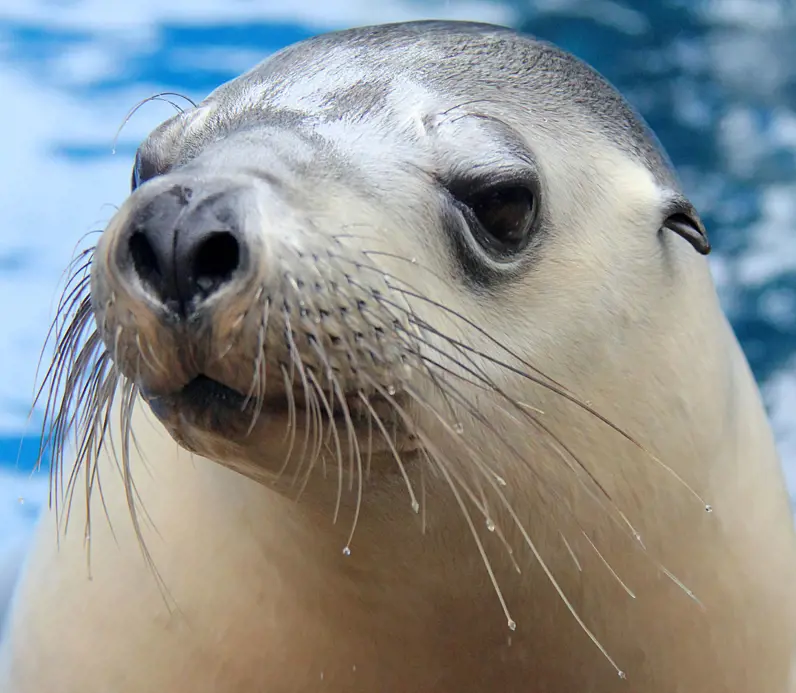
Whisker wonders
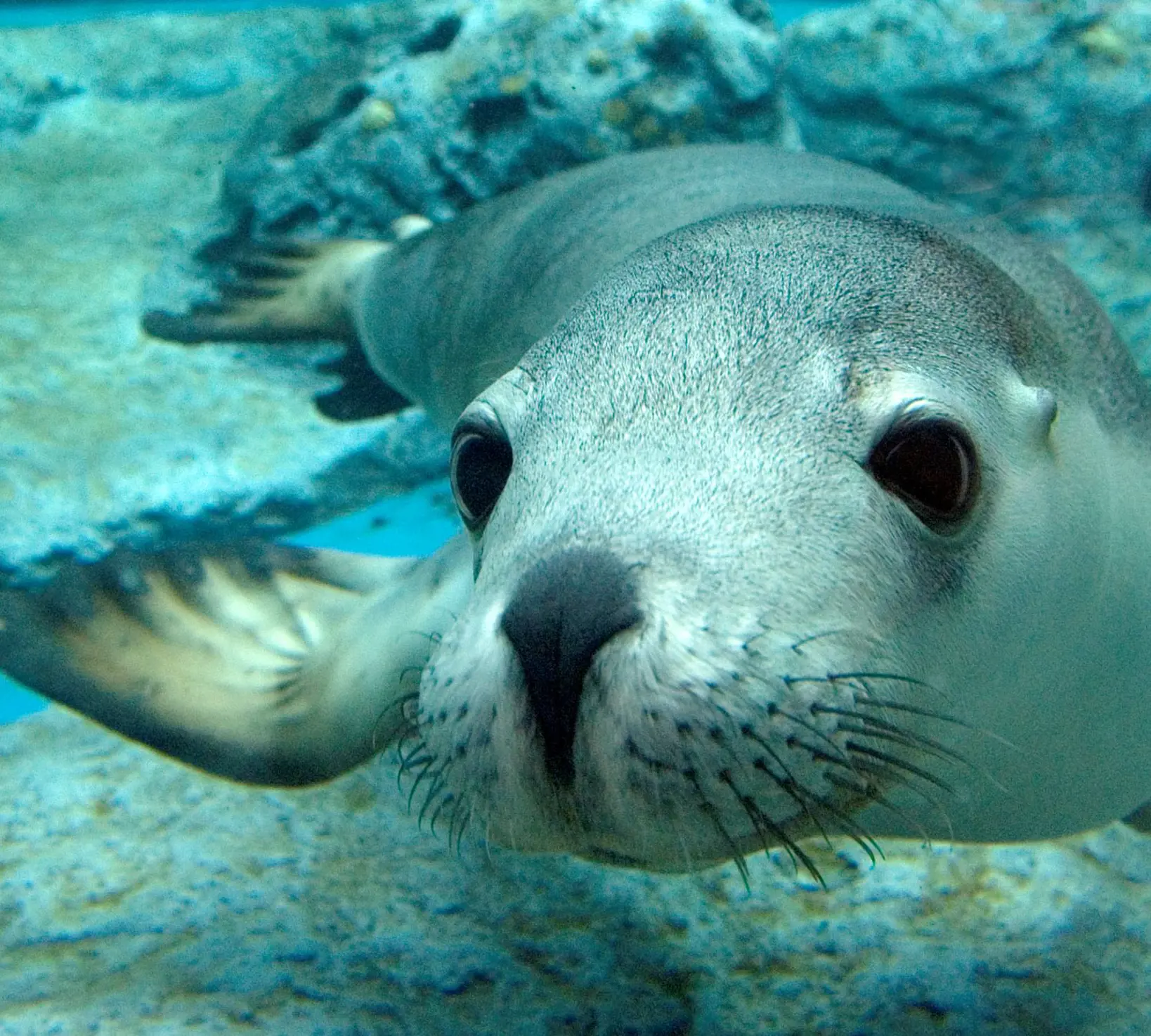
Each whisker is moveable and more sensitive than your fingertips allowing them to navigate and hunt in deep, dark water.
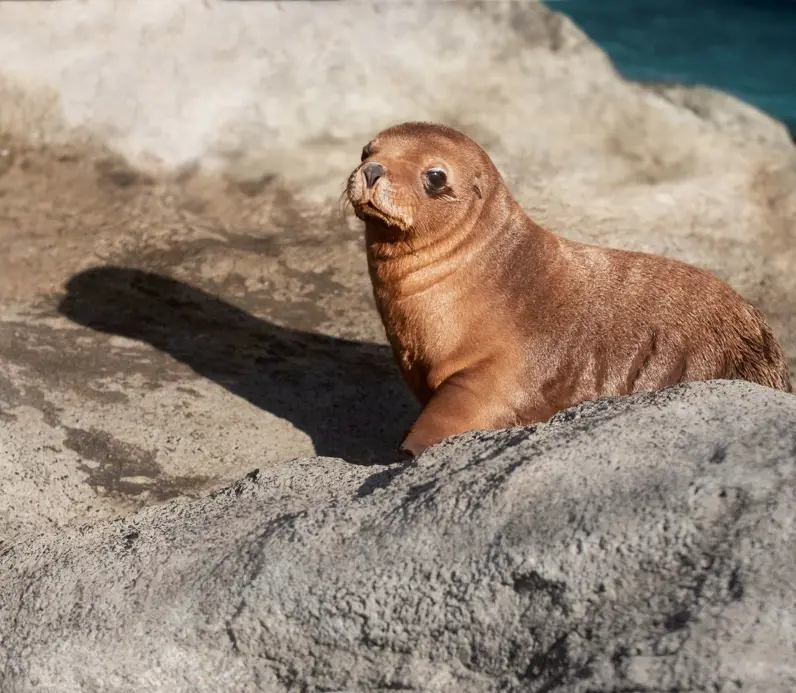
Changing coats
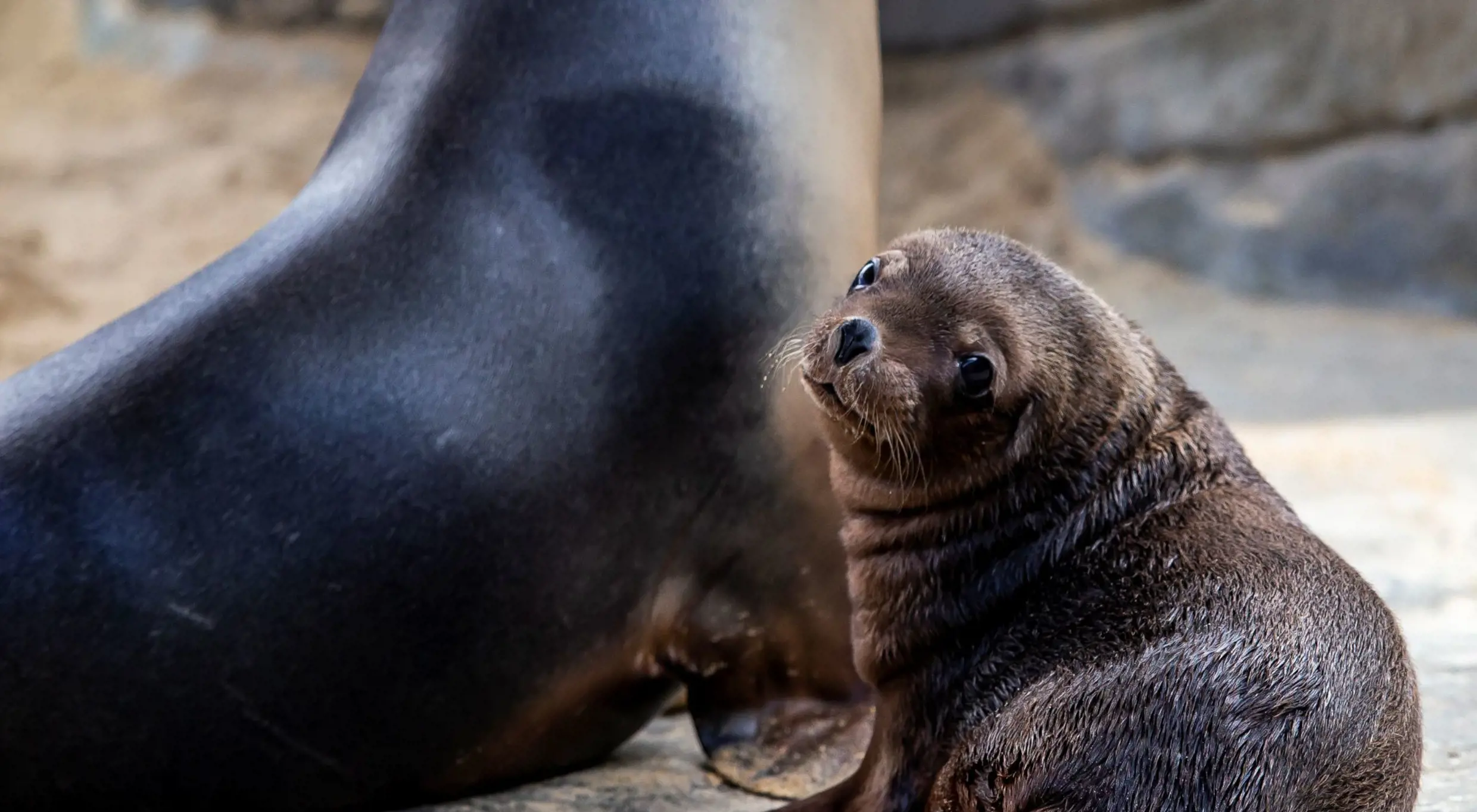
Pups are born chocolate-brown which moults to silver-grey with cream bellies after 4 months. Females remain grey into adulthood whereas males revert to dark brown as they mature.
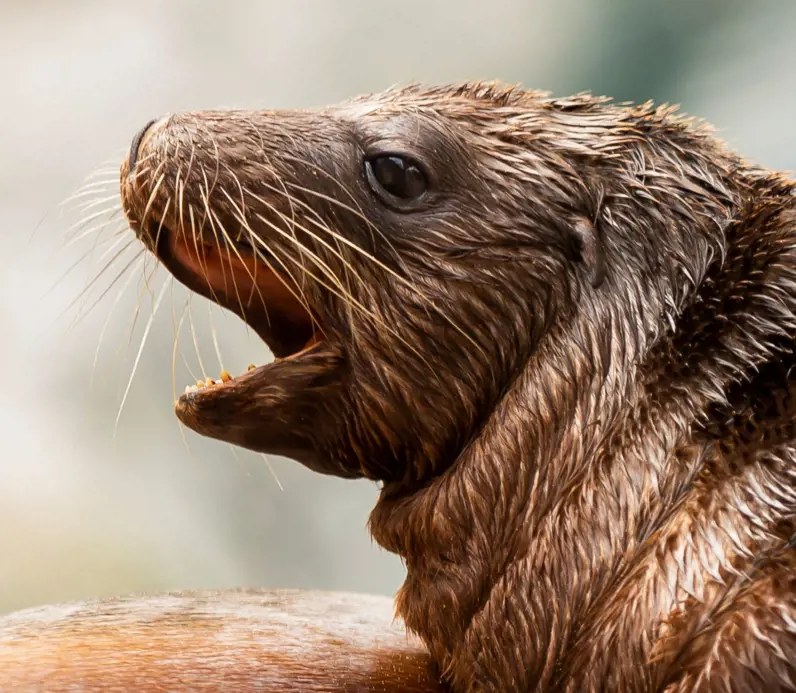
Built-in warmth
Sea-lions have a 2cm layer of blubber beneath their skin for warmth.
Beach buddies
Sea-lions commonly sunbathe on the beach in colonies of around 10-15.
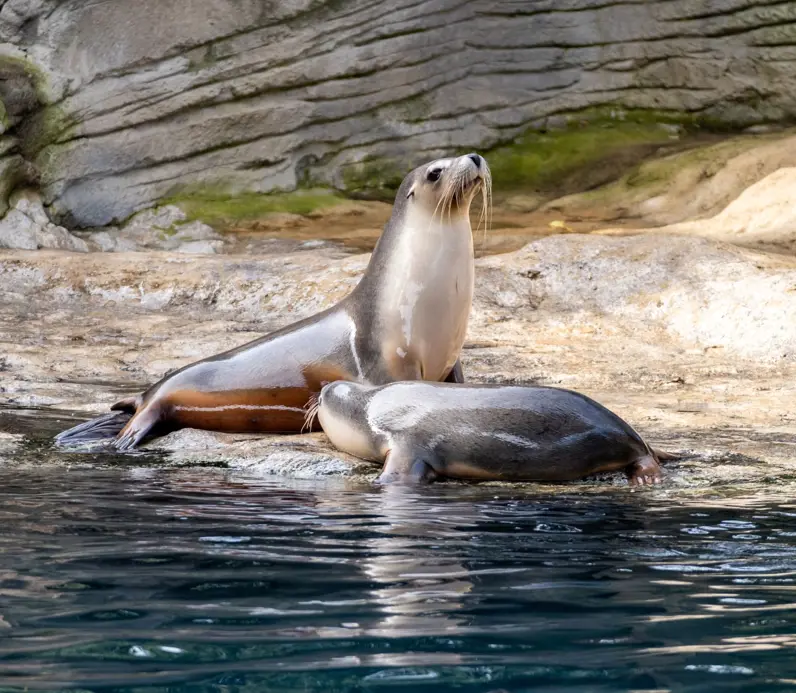
Australian Sea-lion deep dive
Breeding programs
Taronga hosts the species breeding program for this animal through the Zoos and Aquarium Association (ZAA). This means we work with experts across Australasia to manage animal populations, not just to breed, but also support important husbandry knowledge, safeguarding this species for the future. 
Conservation status (IUCN)
Endangered
Saving our Seals
Taronga supports the conservation of Australian Sea-lions as part of the zoo-based breeding program, and by promoting MSC-certified sustainable seafood through our Fish for Good campaign. The Marine Stewardship Council (MSC) are a global non-profit working to end overfishing, ensuring that the seafood we eat comes from a sustainable and well-managed source. MSC-certification has helped rocker lobster fisheries to eliminate the bycatch of sea-lion pups through the introduction of exclusion devices.
Meet Tarni’s first pup
Choose sustainable seafood, save marine life
There aren’t plenty more fish in the sea. Choose seafood with the MSC blue fish tick label, support sustainable fishing and protect our oceans. Learn how you can help with Fish For Good.
Fact sheets for kids
Discover educational resources from Kindergarten to year 6.