At the Zoo, not all the conservation work happens on the land.
Purple Spotted Gudgeon
There is one collaborative program that takes place in the water at the Lion Pride Lands precinct. This water body is home to a population of endangered Southern Purple Spotted Gudgeons, which the Lions protect on a daily basis. These fish were rescued by DPI Fisheries back in the height of the drought and put here to ensure their survival. Amazingly the fish have flourished and gone through a number of breeding events. It's such a great result and shows how collaboration is key to conservation. Hear from Threatened Species Officer Maryrose about this unique program.
Learn about the program
Endangered native fish returned to the wild
Pumping up local fish conservation
Precious native fish, eggs and larvae in the Macquarie-Wambuul River are the real winners with the completion of an innovative project at Taronga Western Plains Zoo.
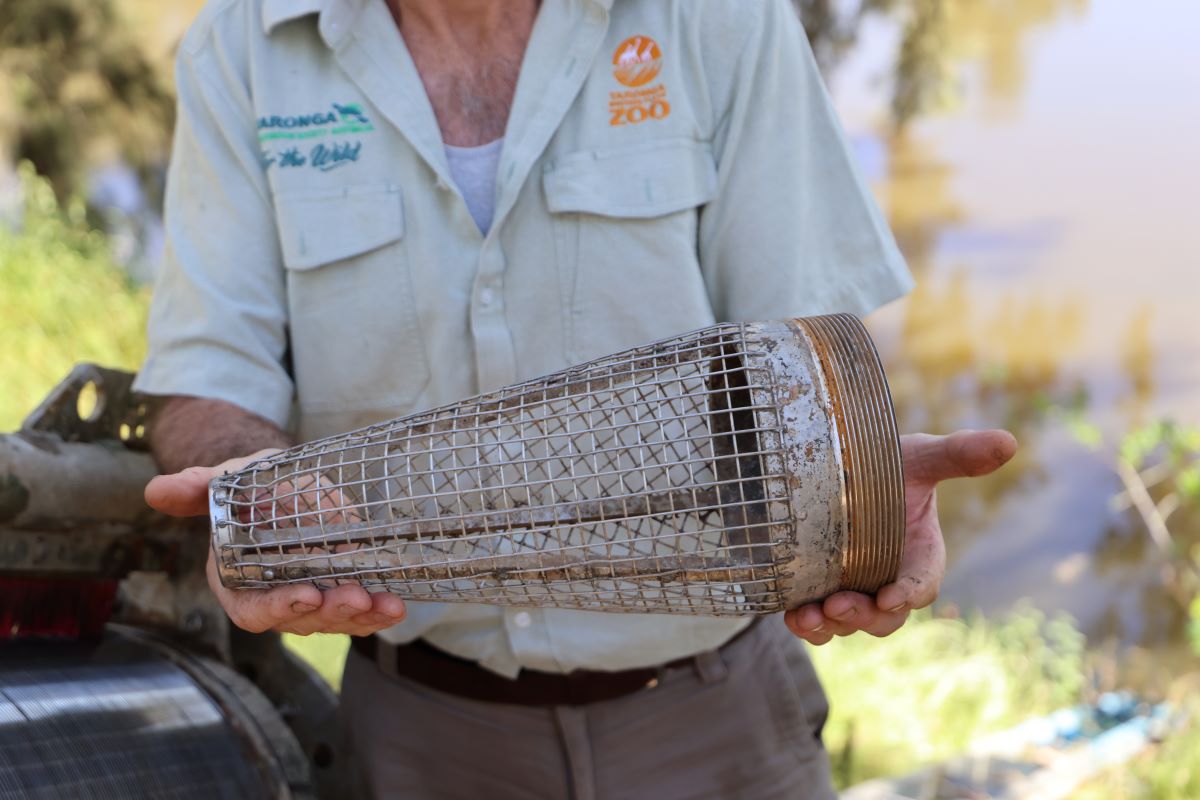
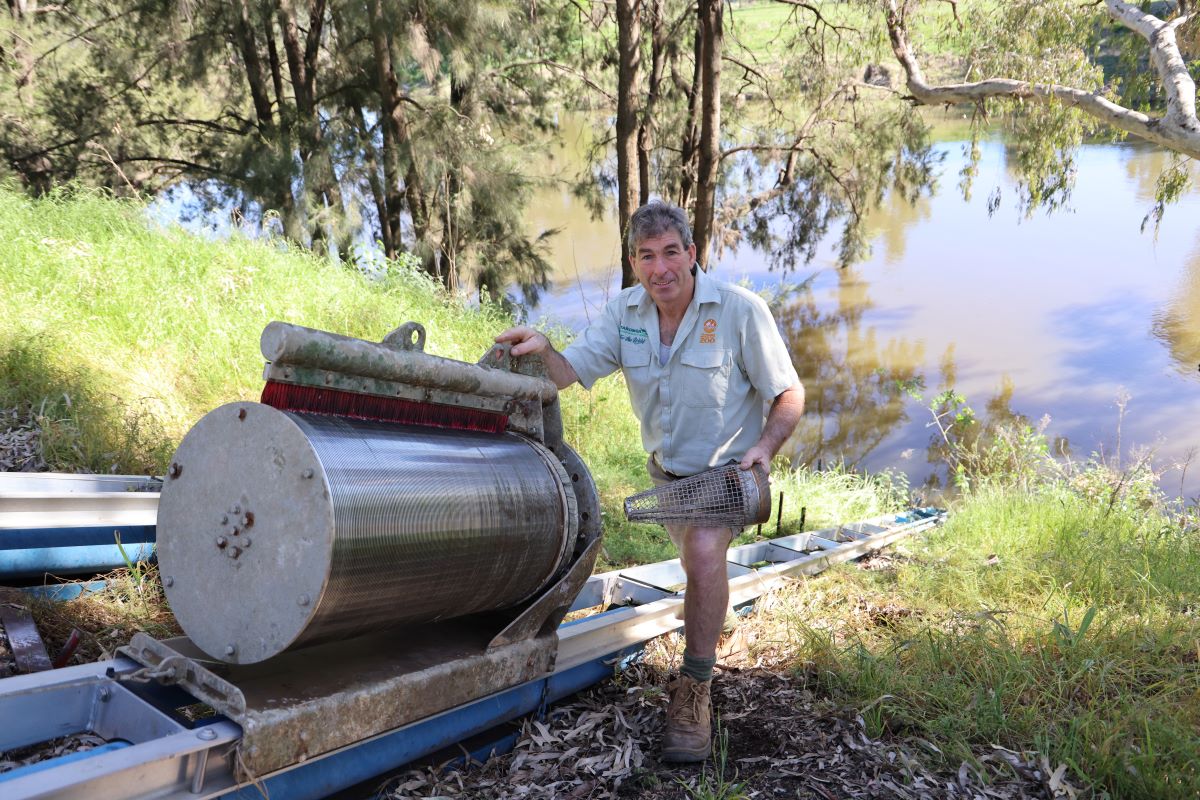
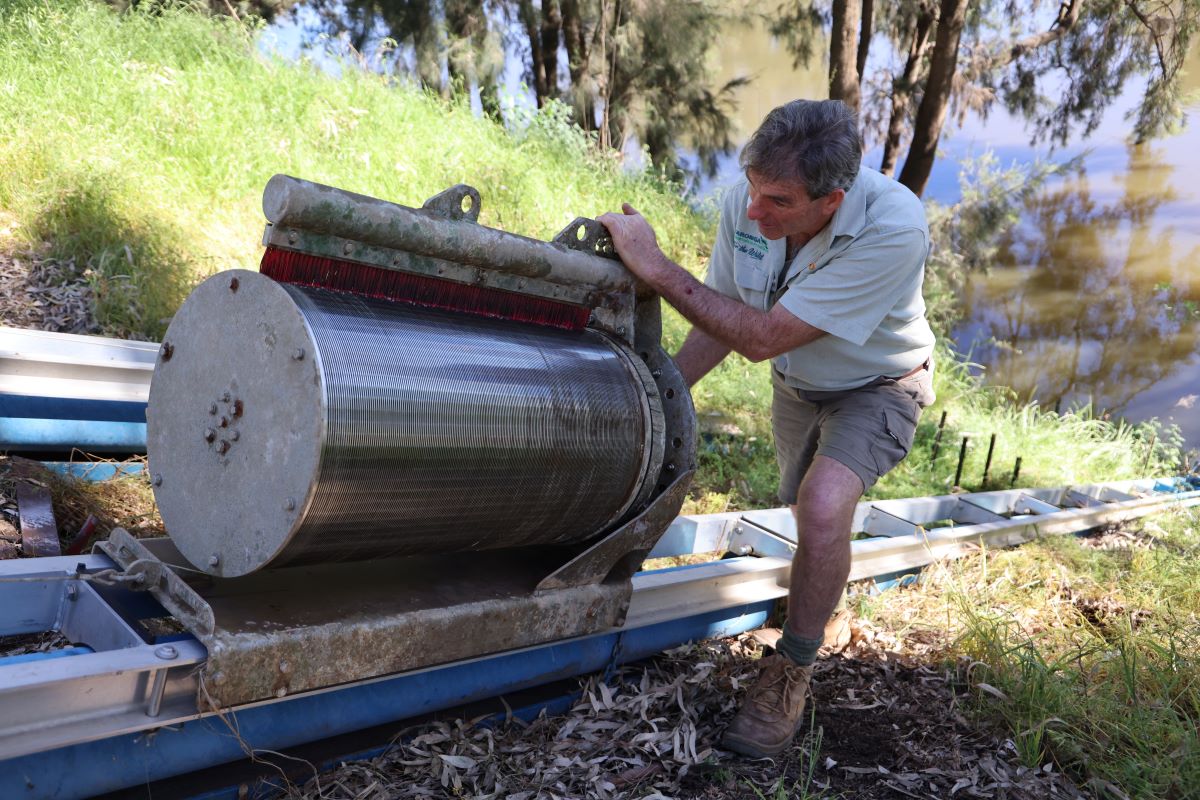
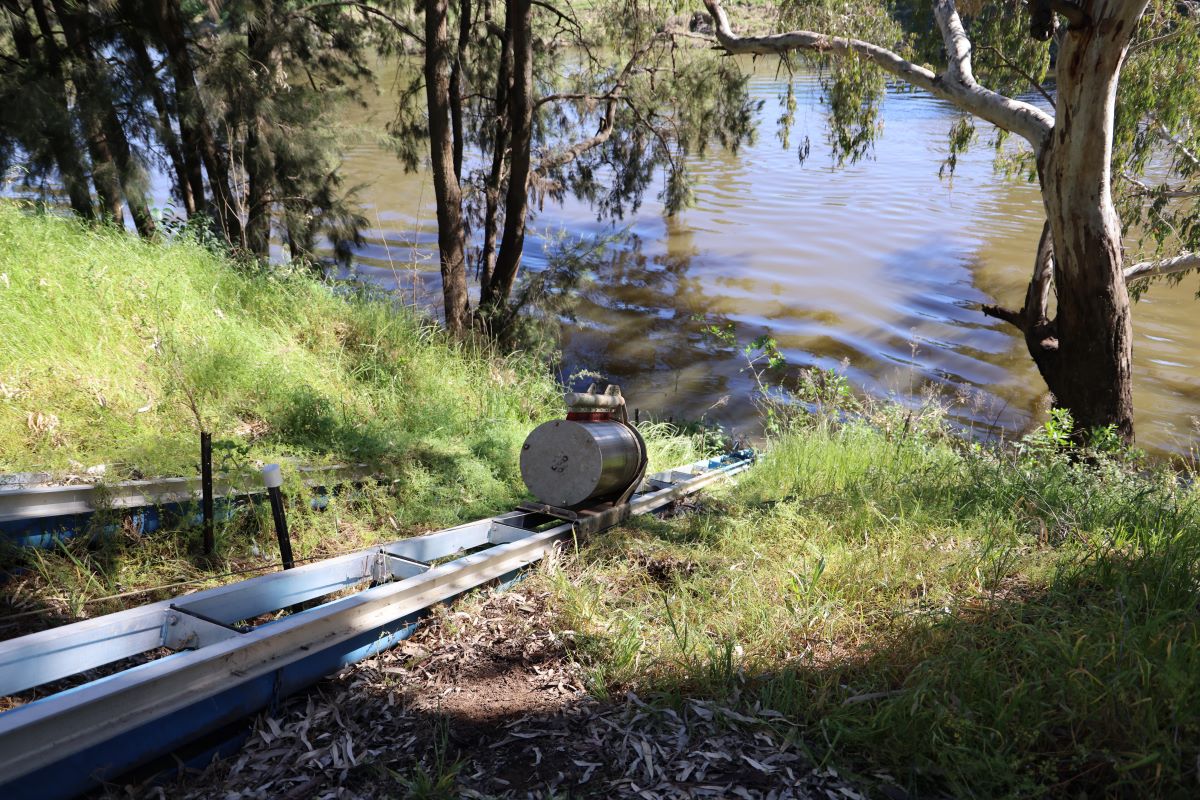
In partnership with the NSW Department of Primary Industries and Regional Development (DPIRD) Fisheries and local volunteer group Macquarie Inland Waterways, the Zoo has installed fish-friendly screens on its Macquarie River pumps. The project was made possible thanks to a $40,000 Habitat Action Grant from the NSW Recreational Fishing Trust.
The project is already delivering benefits for the Zoo and the environment, with less debris in the system resulting in reduced wear and tear, decreased servicing requirements and a reduction in the amount of backflushing required, delivering savings on both water and maintenance costs.
Program Leader for Habitat and Threatened Species with NSW DPIRD Fisheries Sam Davis said: “This is an excellent initiative to protect native fish in our local river – it’s solving an old problem by using new technology and is a win-win situation.”
Taronga Western Plains Zoo has two 75kW transfer pumps that take water from the Macquarie River to a 5 megalitre reservoir. The system is pressurised, with water travelling through three large micro-filters, which backflush on pressure differential and have a pre-strainer system. Prior to the upgrade, the Zoo’s system featured pump screens with a 25mm square mesh. Debris not caught by the mesh would cause wear and tear on the turbines and block the system, forcing backflushing to push the debris away from the pump screen. Any debris that still made it through would end up in the concrete reservoir, which would have to be manually cleaned every couple of years.
The new screens feature tighter 2-3mm mesh and continuously clean, delivering significant efficiencies for the Zoo.
“The fish screens are working as a pre-filter, strainer-like system before the turbines, which means no large particles, debris or precious native fish can enter the turbines,” Stephen Thomson said. “This has reduced our need for backflushing and reservoir cleaning and in the long term it will mean less wear and tear on our pumps, improving their lifespan.
“This project will deliver ongoing savings on water and maintenance, making it a huge win for environmental sustainability and the Zoo as a whole. “
Here at Taronga Western Plains Zoo we are ‘for the wild’ and it’s great that we have been able to deliver this environmental win so close to home.”